











返回列表
基于高光谱成像和传统神经网络的折叠烤烟分类方法
目标检测
2026/09/21
摘要:自动化设备对烤烟进行高效分类仍然是一个重大挑战。由于工作环境艰苦和劳动力需求旺盛,生产商在烤烟分级 方面面临着日益严重的劳动力短缺问题。本文提出了一种创新方法,利用高光谱成像(( HSI)技术结合一维卷积神经网络 ((1D-CNN)模型来确定折叠烤烟的等级。首先,我们精心收集了一个包含405张高光谱图像的综合数据集,这些图像捕 捉了十种不同等级的折叠烤烟,展示了不同程度的折叠状态。随后,对从感兴趣区域获得的光谱应用了多种预处理技术。 此外,采用了包括最小角回归算法(( LAR)、连续投影算法(( SPA)和竞争性自适应重加权采样算法(( CARS)在内的先进 算法,以选择最相关的特征波段。最后,基于特征波长,建立了一个1D-CNN分级模型,并与随机森林(( RF)、人工神经 网络(( ANN)、反向传播神经网络(( BPNN)和残差神经网络(( ResNet)分类模型进行了比较。这些模型的对比分析表明, LAR-CNN算法表现最佳,分类准确率达到96.3%,最小损失函数值为0.1。值得注意的是,本研究中实施的LAR算法成 功将模型中使用的波段数量从360个减少到20个。总之,HSI与1D-CNN的结合不仅在识别叶片折叠和复杂形态特征方 面具有明显优势,还为烤烟分类自动化开创了一个创新时代,提供了前所未有的精度和效率。这种方法为提高自动化烤 烟分级的效能和精度、减少人工分级方法中的主观偏差、以及为开发折叠烤烟叶自动分级设备提供了重要的技术支持。 因此,持续的研究和开发工作对于充分发挥此类创新技术的潜力至关重要。
关键词:高光谱成像;烟草分类;卷积神经网络;特征提取
期刊:Industrial Crops & Products
DOI:https://doi.org/10.1016/j.indcrop.2024.118279
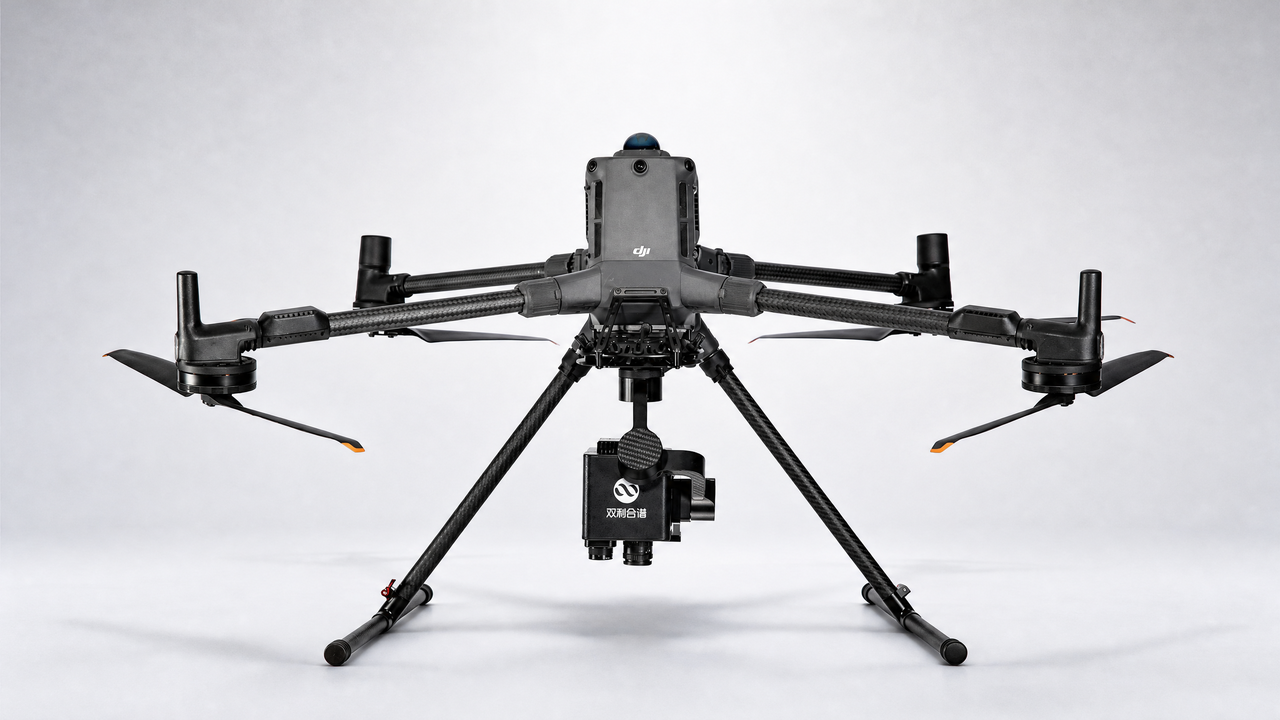
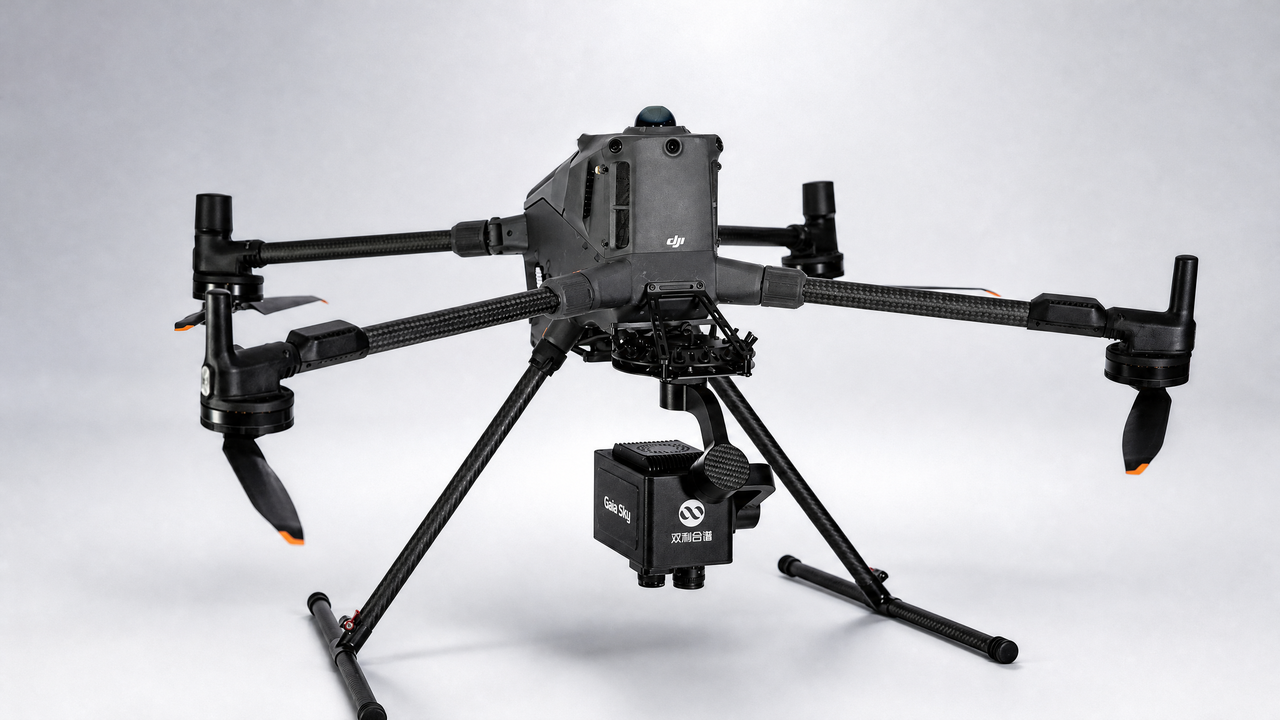
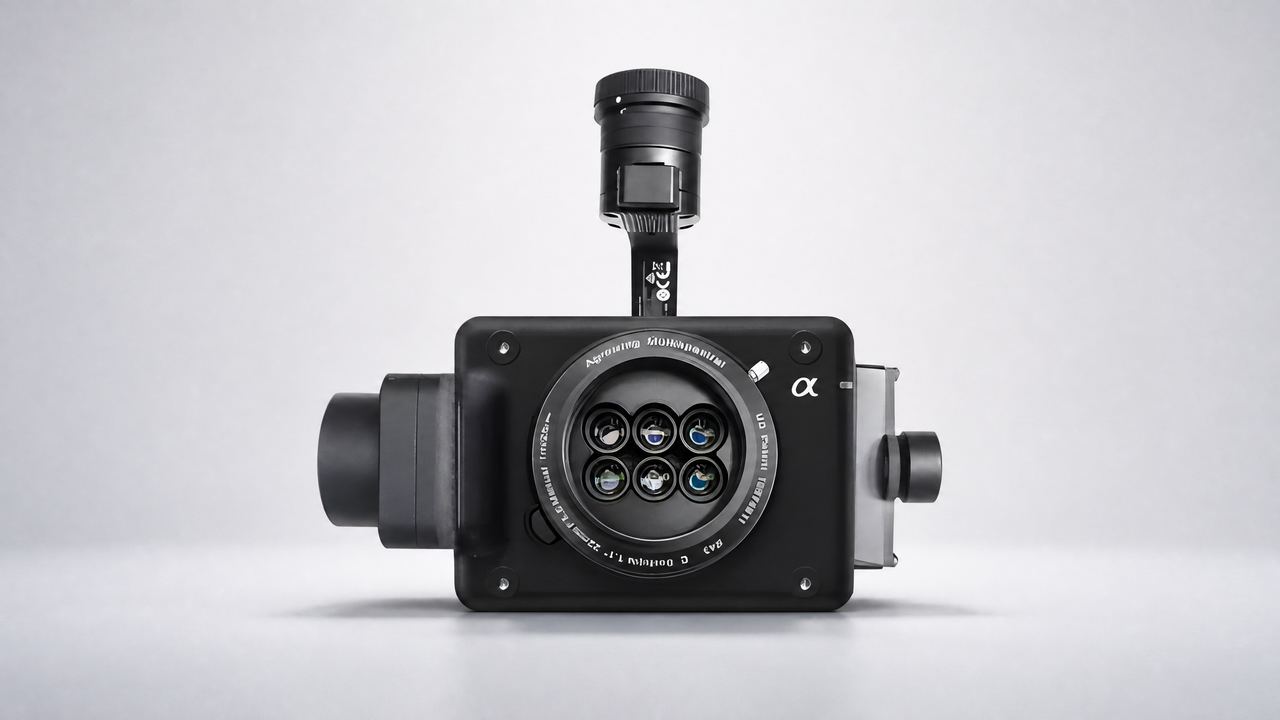
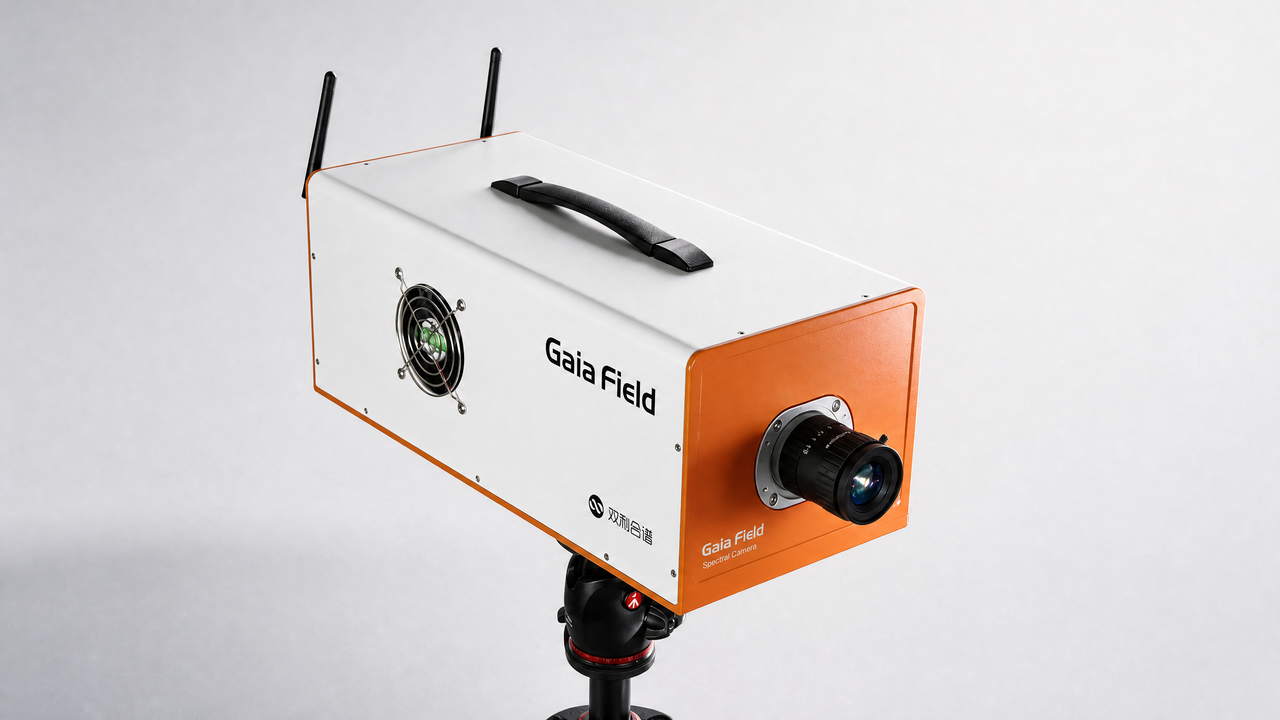
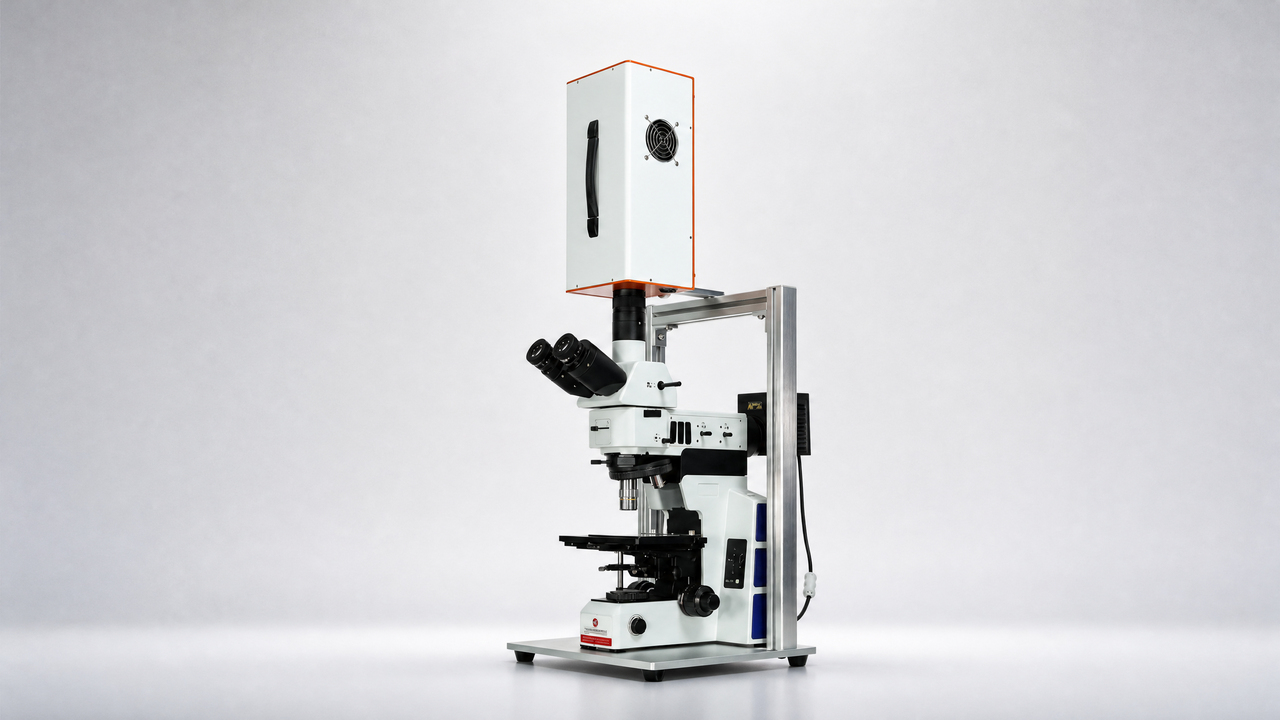
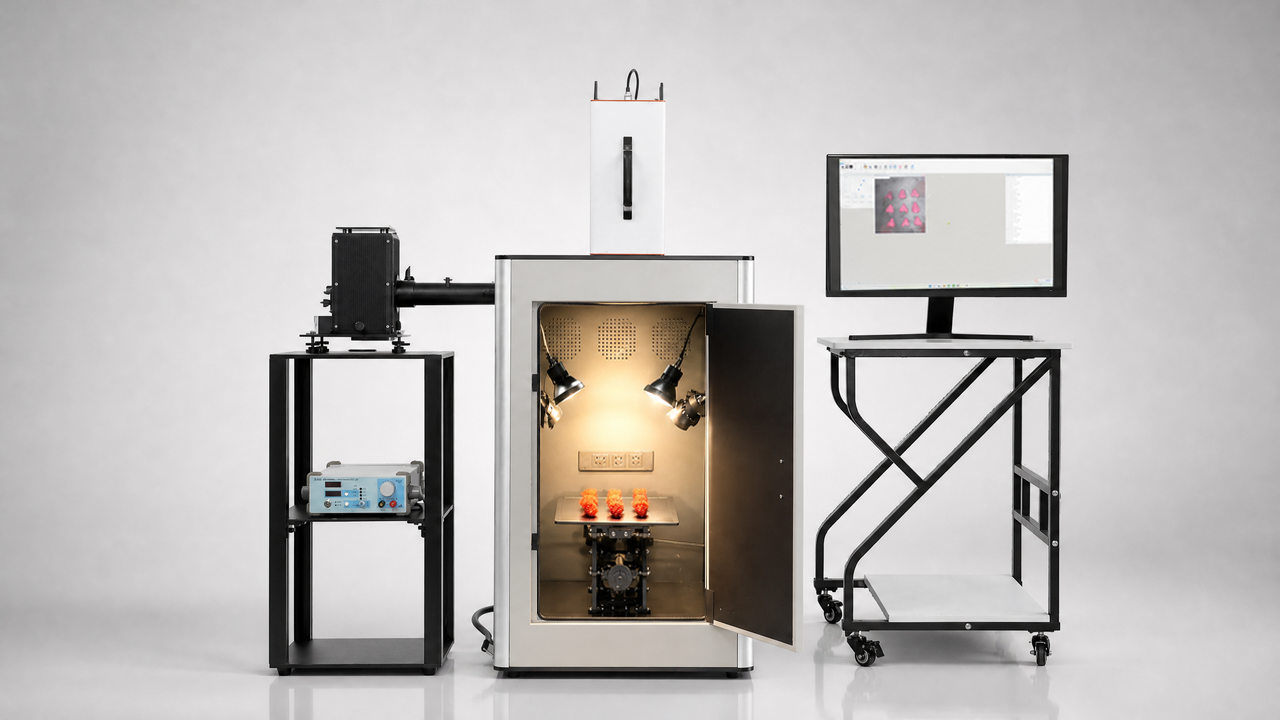
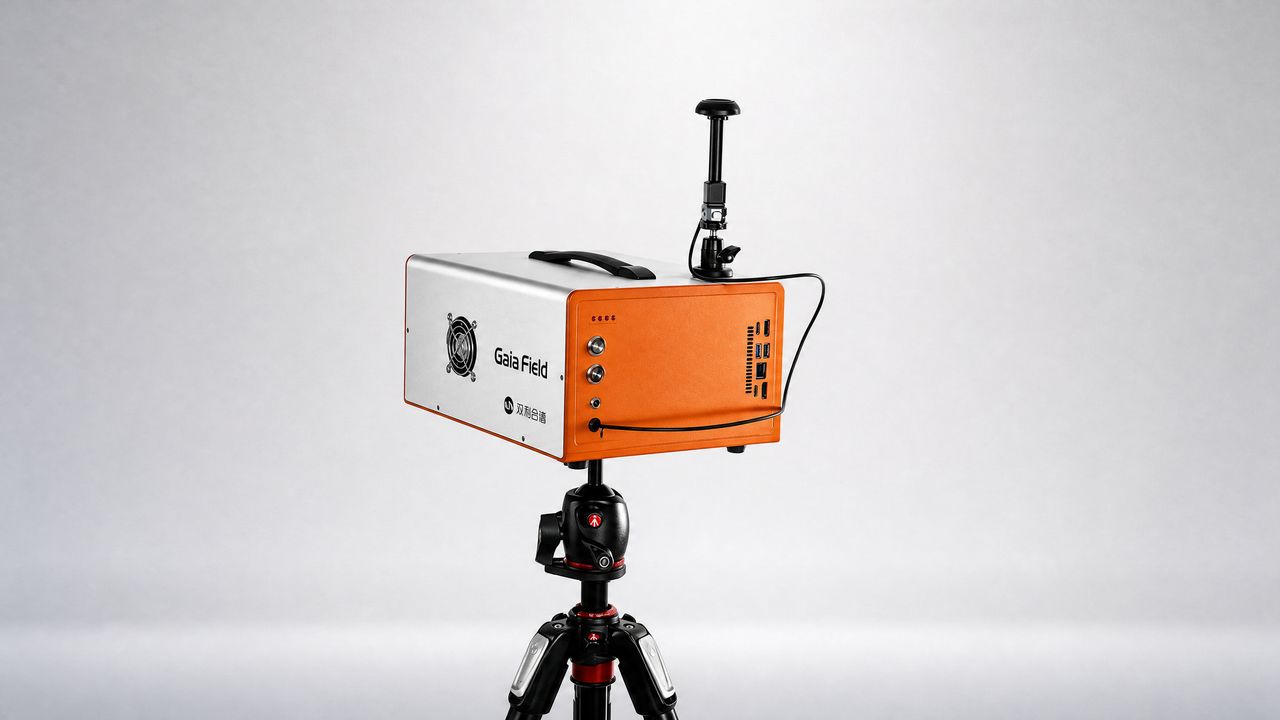
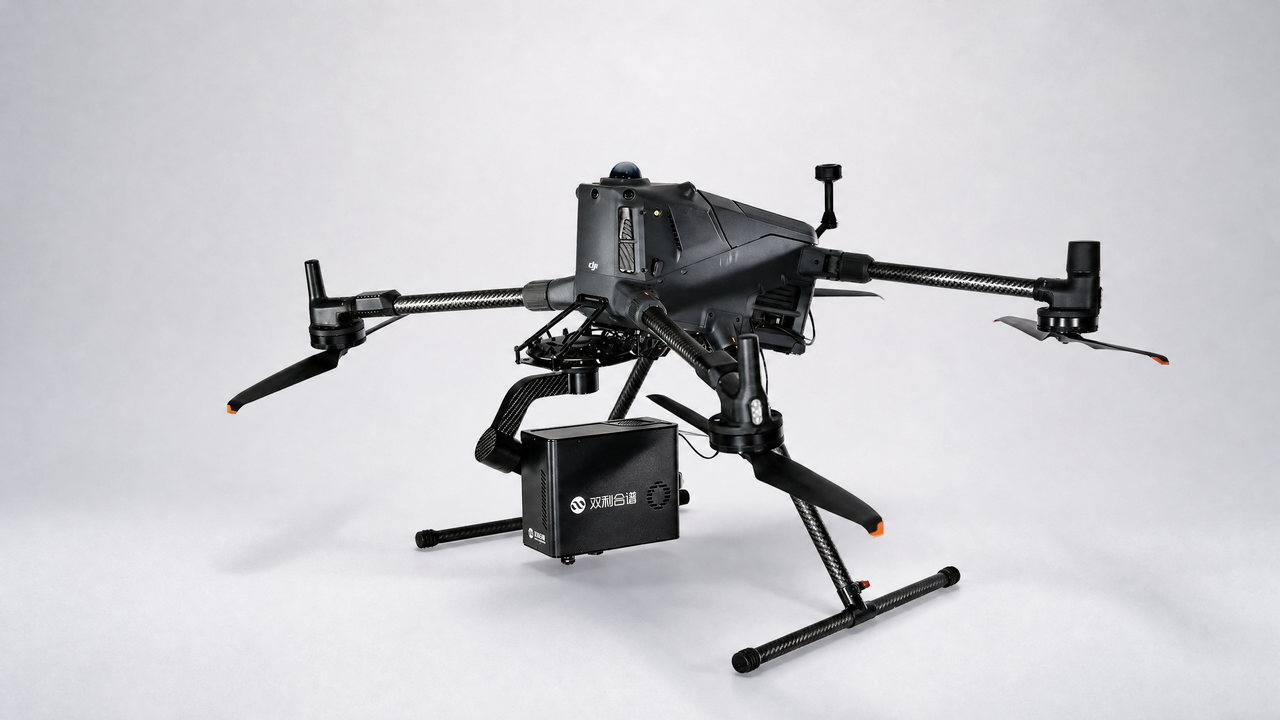
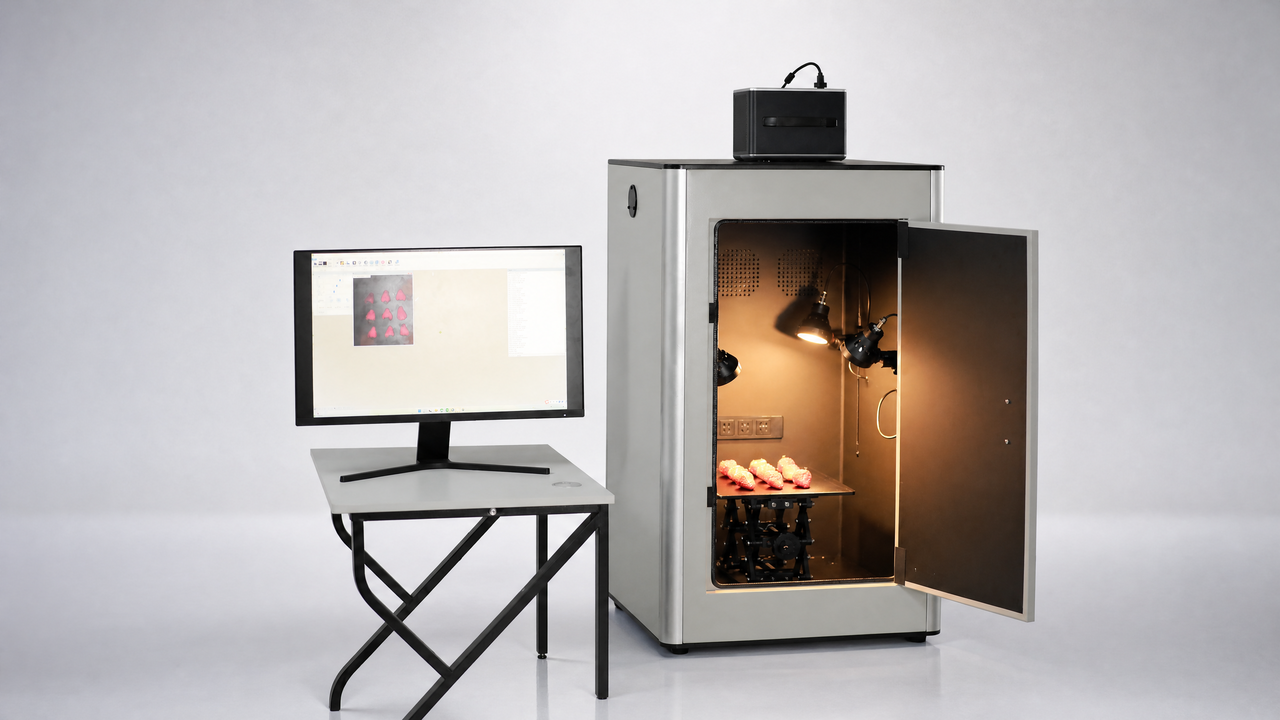
设备:GaiaField
Classiffcation method for folded ffue-cured tobacco based on hyperspectral imaging and conventional neural networks
Abstract:The efffcient classiffcation of ffue-cured tobacco by automated machines continues to pose a signiffcant challenge. Producers are grappling with escalating labor shortages in the grading of ffue-cured tobacco due to the demanding working conditions and a robust workforce. This paper proposes an innovative approach to ascertain the grades of folded ffue-cured tobacco using hyperspectral imaging (HSI) technology in conjunction with a onedimensional convolutional neural network (1D-CNN) model. Initially, a comprehensive dataset comprising 405 hyperspectral images capturing ten grades of folded ffue-cured tobacco was meticulously collected, illustrating various degrees of folding. Subsequently, diverse preprocessing techniques were applied to the spectra obtained from the regions of interest. Moreover, advanced algorithms, including the least angle regression algorithm (LAR), successive project algorithm (SPA), and competitive adaptive reweighted sampling algorithm (CARS), were employed to select the most pertinent feature bands. Finally, based on the feature wavelengths, a 1D-CNN grading model was established and compared with random forest (RF), artiffcial neural network (ANN), backpropagation neural network (BPNN), and residual neural network (ResNet) classiffcation models. Comparative analysis of these models reveals that the LAR-CNN algorithm outperforms others, achieving a classiffcation accuracy of 96.3% and a minimum loss function value of 0.1. Notably, the LAR algorithm implemented in this study successfully reduces the number of bands used in the model from 360 to 20. In summary, this fusion of HSI and 1D-CNN not only conveys a distinct advantage in discerning leaf folds and intricate morphological traits but also heralds an innovative era for the automation of ffue-cured tobacco classiffcation, offering unprecedented precision and efffciency. This methodology paves the way for remarkable strides in augmenting the efffcacy and precision of automated ffue-cured tobacco grading, mitigate subjective biases in manual grading methods, and offer essential technical support for the development of automatic grading devices for folded ffue-cured tobacco leaves. Hence, continued research and development initiatives stand as indispensable to realize the full potential of such innovative technologies.
Keywords:Hyperspectral Imaging,Tobacco classiffcation,Convolutional Neural Network,Feature extraction