


















返回列表
基于集成学习方法的烟草叶片氮含量无人机高光谱估测
遥感应用
2026/09/21
摘要:快速、准确、实时地检测烟叶中氮含量对烟叶质量监测具有重要意义。高光谱遥感技术与无人机(UAV)平台相结合, 可以提供前所未有的大规模野外植物光谱信息。在各种机器学习算法的支持下,可以开发出一系列高效的叶片氮含量评 估模型。本研究旨在利用无人机机载HRS图像数据建立一个高性能模型来估计烟草的LNC。同时,为了解决单个模型的 异构性能问题,采用集成学习策略组合多个估计器,包括多元线性回归(MLR)、决策树回归(DTR)、随机森林(RF)、自适 应增强(Adaboost)和堆叠,以挖掘更多有效的数据特征。为准确评价所建模型的性能,引入决定系数(𝑅2)、均方根误差 (RMSE)和平均绝对百分比误差(MAPE)作为评价指标,选择偏最小二乘回归(PLSR)作为基准模型。在测试集上的结果显 示,所有集成学习方法都优于PLSR(𝑅2=0.680,RMSE=5.402 mg/g, 19.72%)。具体而言,基于堆叠的模型具有最高的准确 性和相对较高的稳定性(𝑅2=0.745,RMSE=4.825 mg/g, 17.98%)。本研究为利用无人机HRS技术高效、无损地检测LNC或 其他植被表型性状提供了参考。
关键词:高光谱遥感、无人机、叶片含氮量、异构性能、集成学习
期刊:Computers and Electronics in Agriculture
DOI:https://DOI.org/10.1016/j.compag.2023.108008
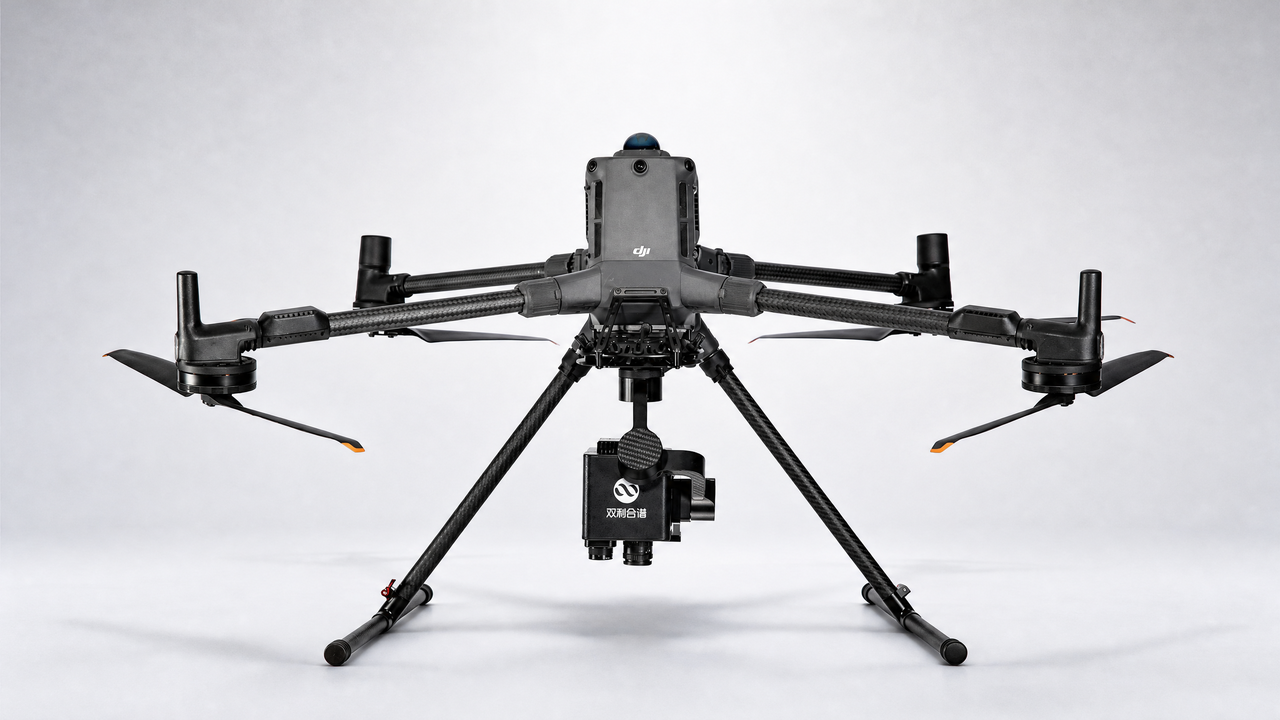
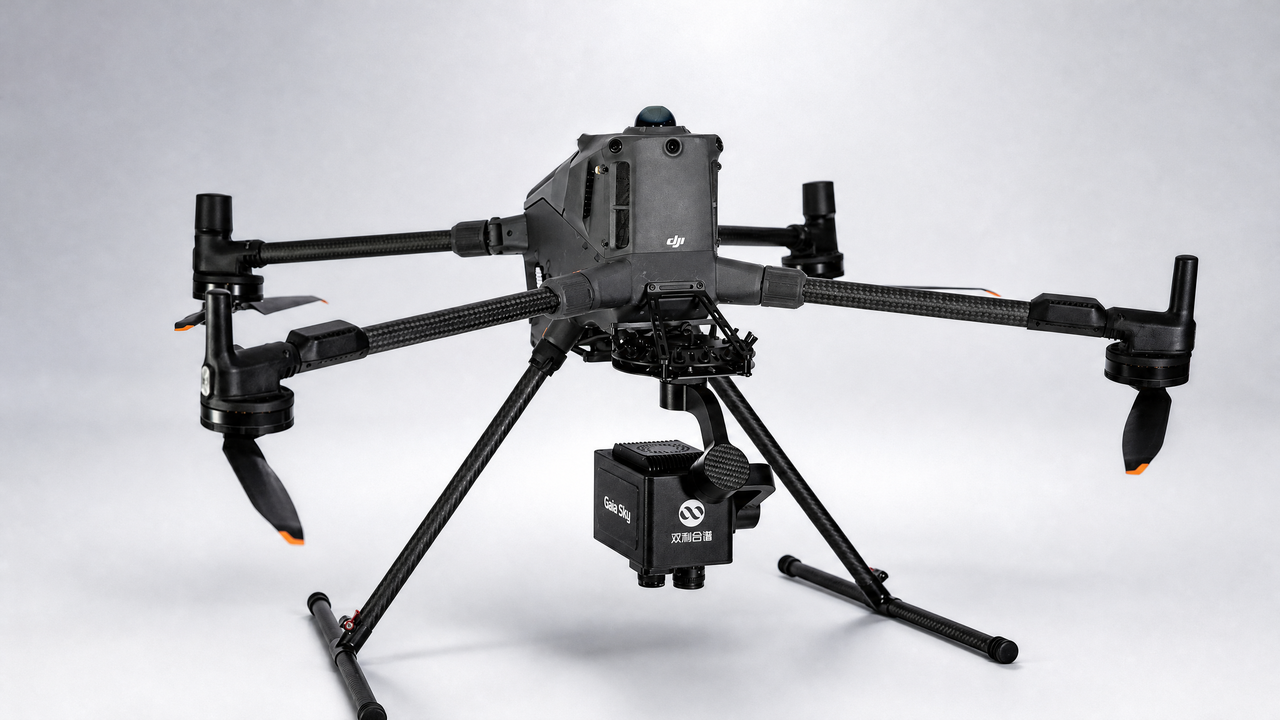
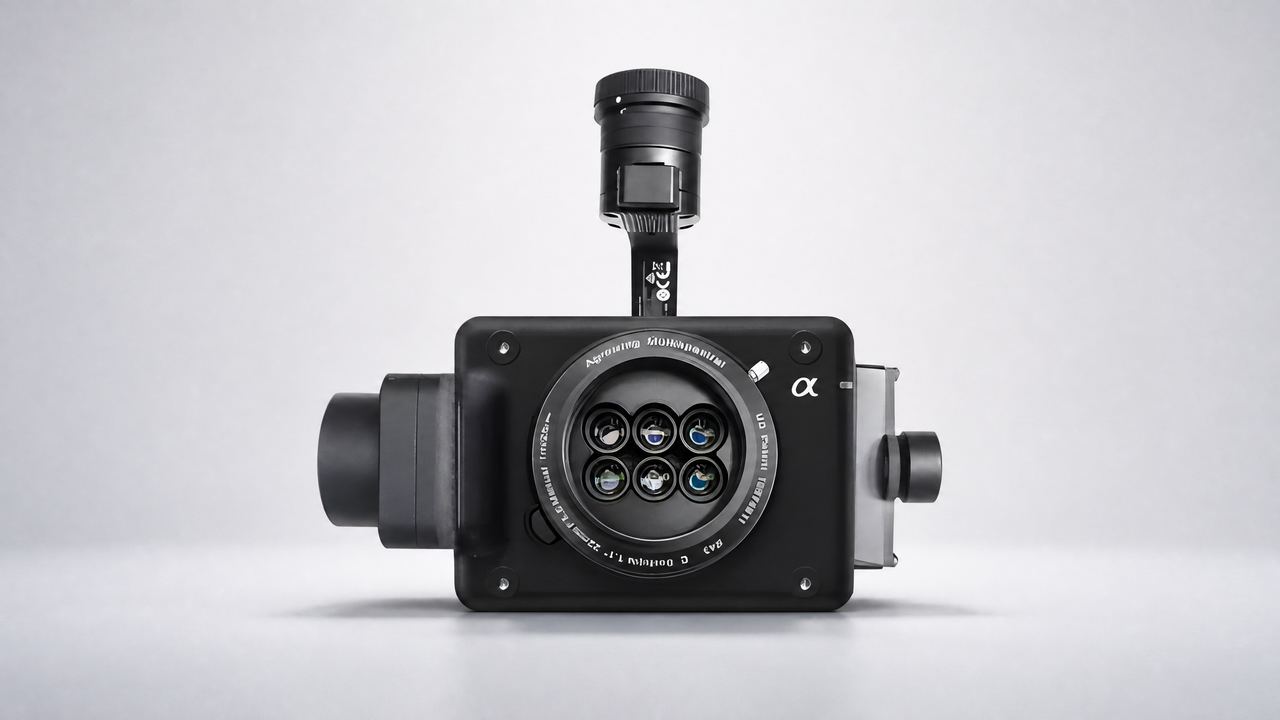
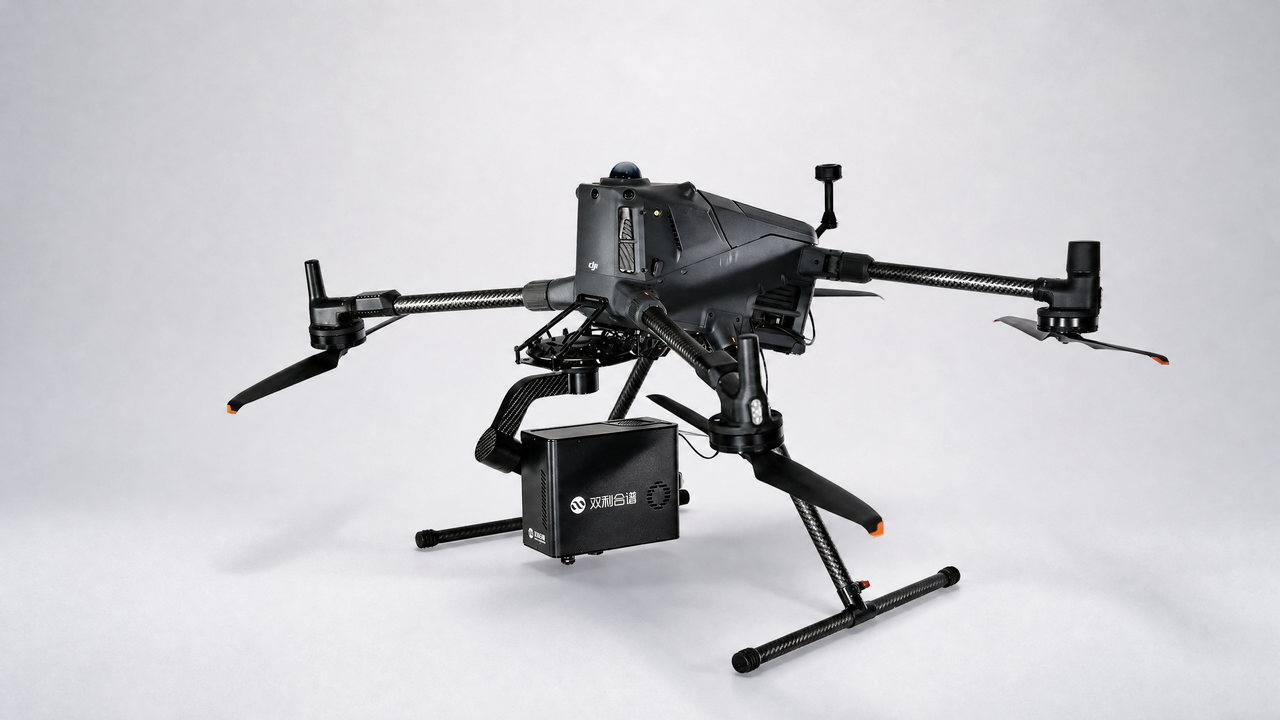
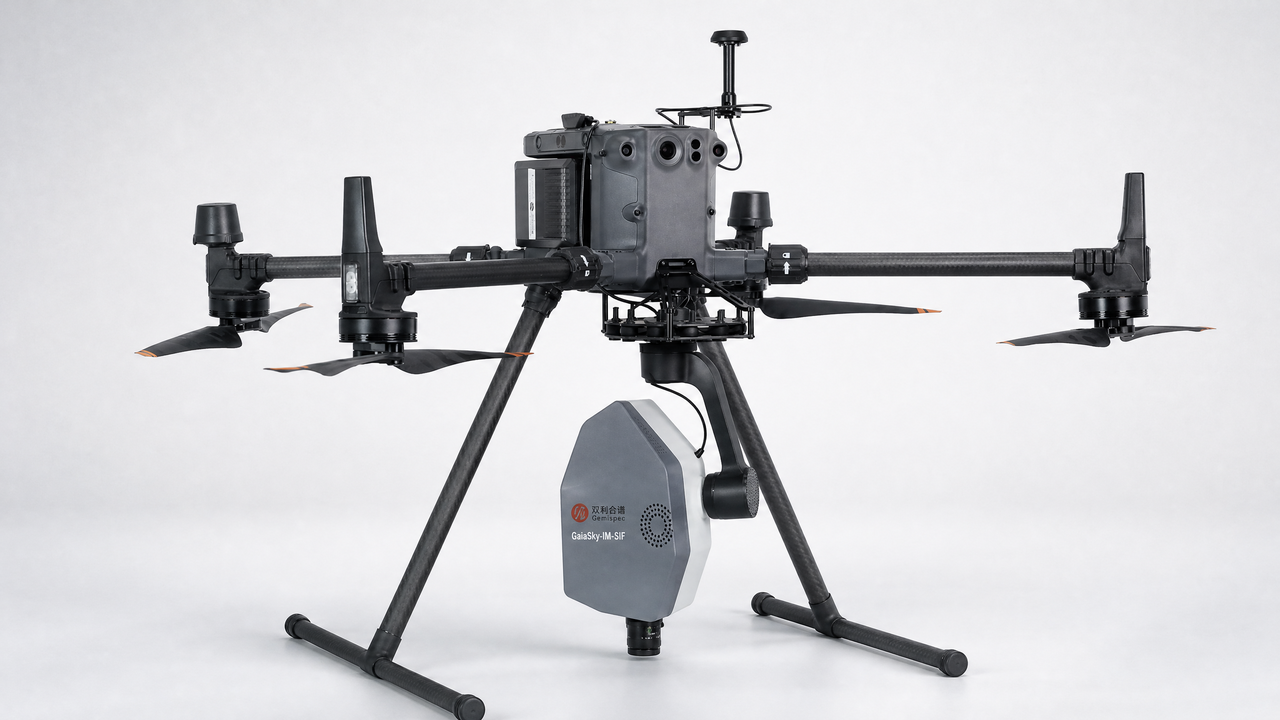
设备:GaiaSky
UAV-borne hyperspectral estimation of nitrogen content in tobacco leaves based on ensemble learning methods
Abstract:Fast, accurate, and real-time detection of nitrogen content in tobacco leaves is of great significance for monitoring the quality of tobacco leaves. Hyperspectral remote sensing (HRS) coupled with unmanned aerial vehicle (UAV) platform can provide unprecedented spectral information of field plants on a large scale. And with the support of various machine learning algorithms, a series of efficient models for leaf nitrogen content (LNC) assessment can be developed. This study aimed to develop a high- performance model to estimate the LNC of tobacco using UAV-borne HRS image data. Meanwhile, to cope with the heterogeneous performance problem of the individual model, ensemble learning strategies were applied to assemble multiple estimators, including multiple linear regression (MLR), decision tree regression (DTR), random forest (RF), adaptive boosting (Adaboost), and stacking to mine more valid data features. To accurately assess the performance of the established models, the coefficient of determination (𝑅2 ), root mean square error (RMSE), and mean absolute percentage error (MAPE) were introduced as the evaluation indicators, and partial least squares regression (PLSR) was selected as the baseline model. Results on the test set showed that all ensemble learning methods outperformed PLSR (𝑅2=0.680, RMSE=5.402 mg/g, 19.72%). Specifically, the stacking-based models achieved the highest accuracy as well as relatively high stability (𝑅2=0.745, RMSE=4.825 mg/g, 17.98%). This study provides a reference for efficient and non-destructive detection of LNC or other vegetation phenotypic traits using UAV-borne HRS technology.
Keywords:Hyperspectral remote sensing Unmanned aerial vehicle Leaf nitrogen content Heterogeneous performance Ensemble learning