











返回列表
基于微高光谱和微流控技术的水稻真菌孢子检测
农业监测
2026/09/21
摘要:水稻是世界上最重要的粮食作物之一,保护其免受真菌病害的侵害对农业生产至关重要。目前,利用相关技术很 难在早期诊断水稻真菌病害,缺乏快速检测方法。本研究提出了一种基于微流控芯片结合显微高光谱检测水稻真菌病害 孢子的方法。首先,设计一种双入口三级结构的微流控芯片,对空气中的稻瘟病菌孢子和绿黑粉菌孢子进行分离和富集。 然后,利用显微高光谱仪采集富集区域真菌病害孢子的高光谱数据,并利用竞争自适应重加权算法(( CARS)对采集到的 两种真菌病害孢子的光谱数据进行特征波段筛选。最后采用支持向量机(SVM)和卷积神经网络(CNN)分别构建全波段分 类模型和CARS滤波特征波长分类模型。结果表明,本研究设计的微流控芯片对稻瘟病菌孢子和黑粉菌孢子的实际富集 效率分别为 82.67%和 80.70%。在建立的模型中,CARS-CNN 分类模型对稻瘟病菌孢子和黑粉菌孢子的分类效果最好, 其 F1-core 指数分别可达 0.960 和 0.949。本研究可有效分离和富集稻瘟病菌孢子和黑粉菌孢子,为水稻真菌病害孢子的 早期检测提供新的方法和思路。
关键词:水稻真菌孢子;微流控芯片;微高光谱;分类方法
期刊:Biosensors
DOI:https://DOI.org/ 10.3390/bios13020278
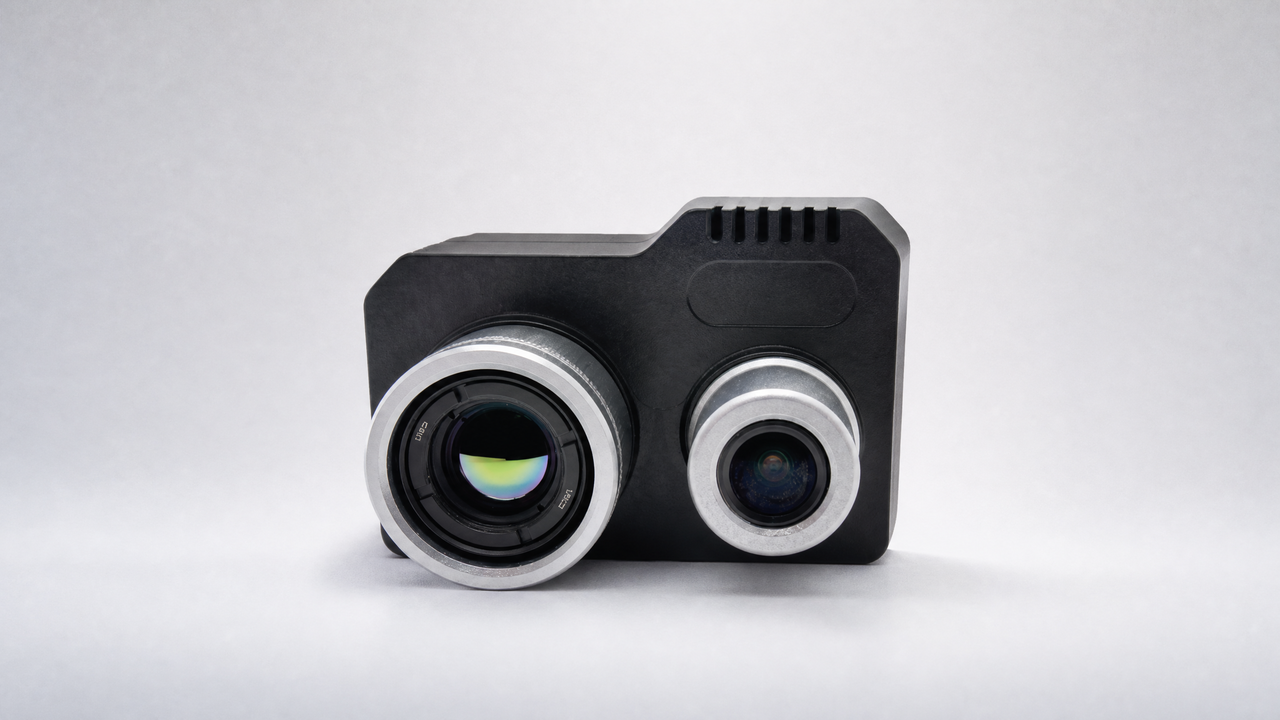
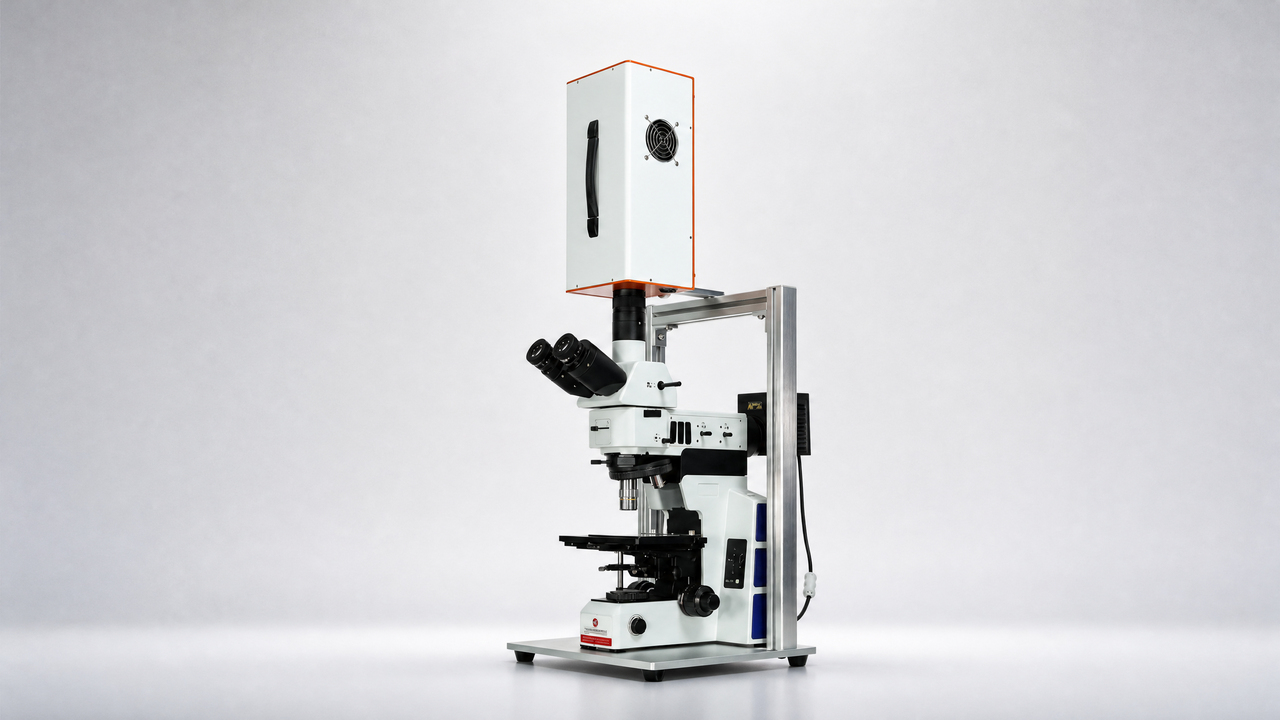
设备:GaiaMicro
Detection of Rice Fungal Spores Based on Micro- Hyperspectral and Microfluidic Techniques
Abstract:As rice is one of the world’s most important food crops, protecting it from fungal diseases is very important for agricultural production. At present, it is difficult to diagnose rice fungal diseases at an early stage using relevant technologies, and there are a lack of rapid detection methods. This study proposes a microfluidic chip-based method combined with microscopic hyperspectral detection of rice fungal disease spores. First, a microfluidic chip with a dual inlet and three-stage structure was designed to separate and enrich Magnaporthe grisea spores and Ustilaginoidea virens spores in air. Then, the microscopic hyperspectral instrument was used to collect the hyperspectral data of the fungal disease spores in the enrichment area, and the competitive adaptive reweighting algorithm (CARS) was used to screen the characteristic bands of the spectral data collected from the spores of the two fungal diseases. Finally, the support vector machine (SVM) and convolutional neural network (CNN) were used to build the full-band classification model and the CARS filtered characteristic wavelength classification model, respectively. The results showed that the actual enrichment efficiency of the microfluidic chip designed in this study on Magnaporthe grisea spores and Ustilaginoidea virens spores was 82.67% and 80.70%, respectively. In the established model, the CARS-CNN classification model is the best for the classification of Magnaporthe grisea spores and Ustilaginoidea virens spores, and its F1-core index can reach 0.960 and 0.949, respectively. This study can effectively isolate and enrich Magnaporthe grisea spores and Ustilaginoidea virens spores, providing new methods and ideas for early detection of rice fungal disease spores.
Keywords:rice fungal spores; microfluidic chip; micro-hyperspectral; classification method