







返回列表
机载高光谱图像和地面光学传感器作为玉米氮肥施用评估工具
农业监测
2026/09/21
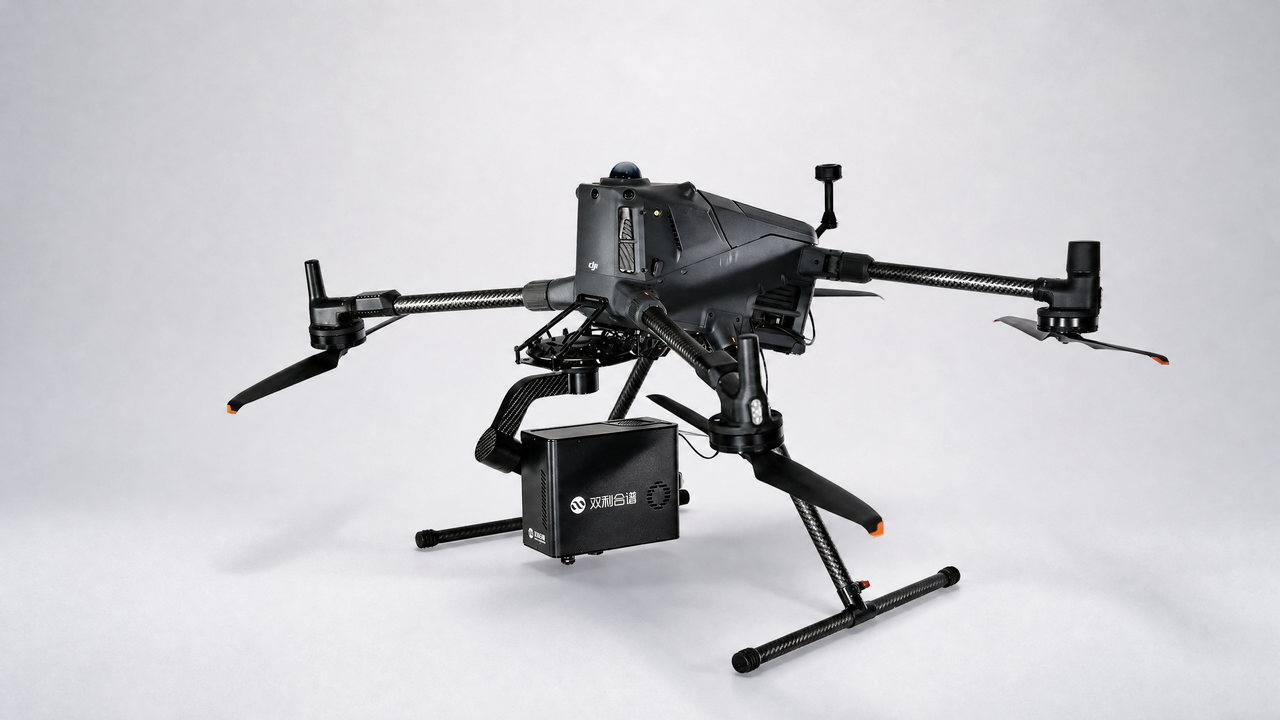
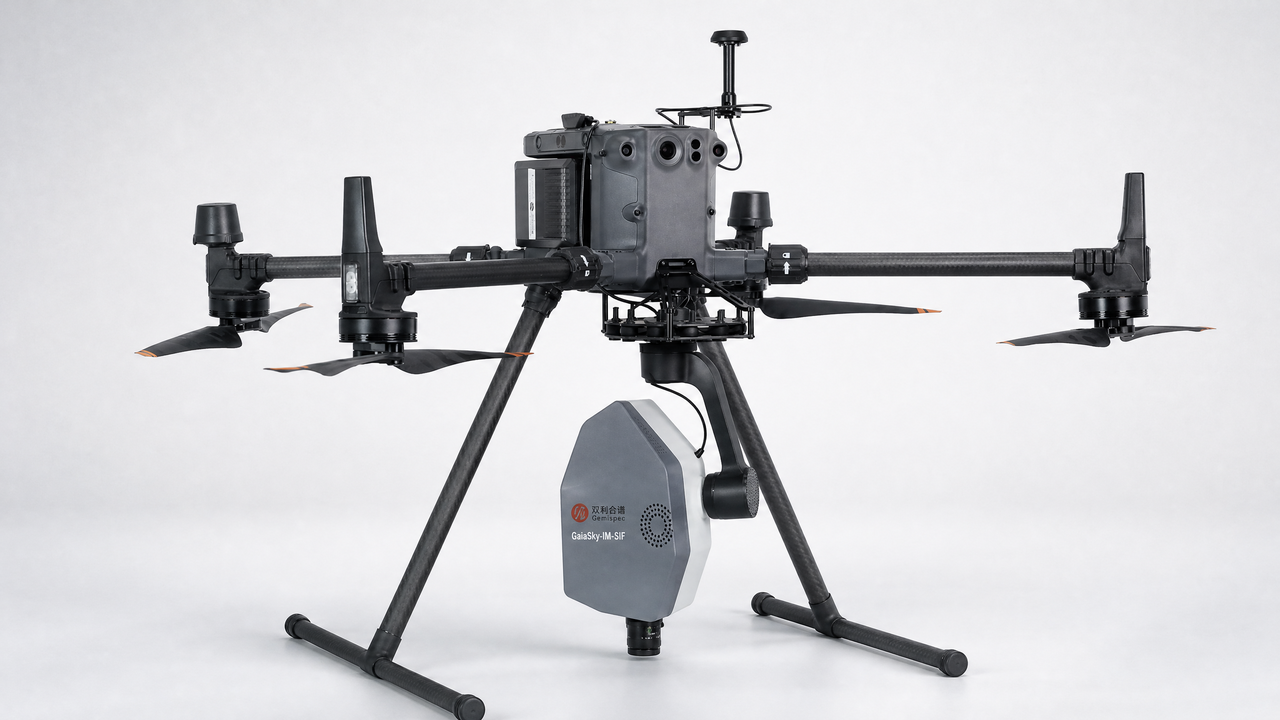
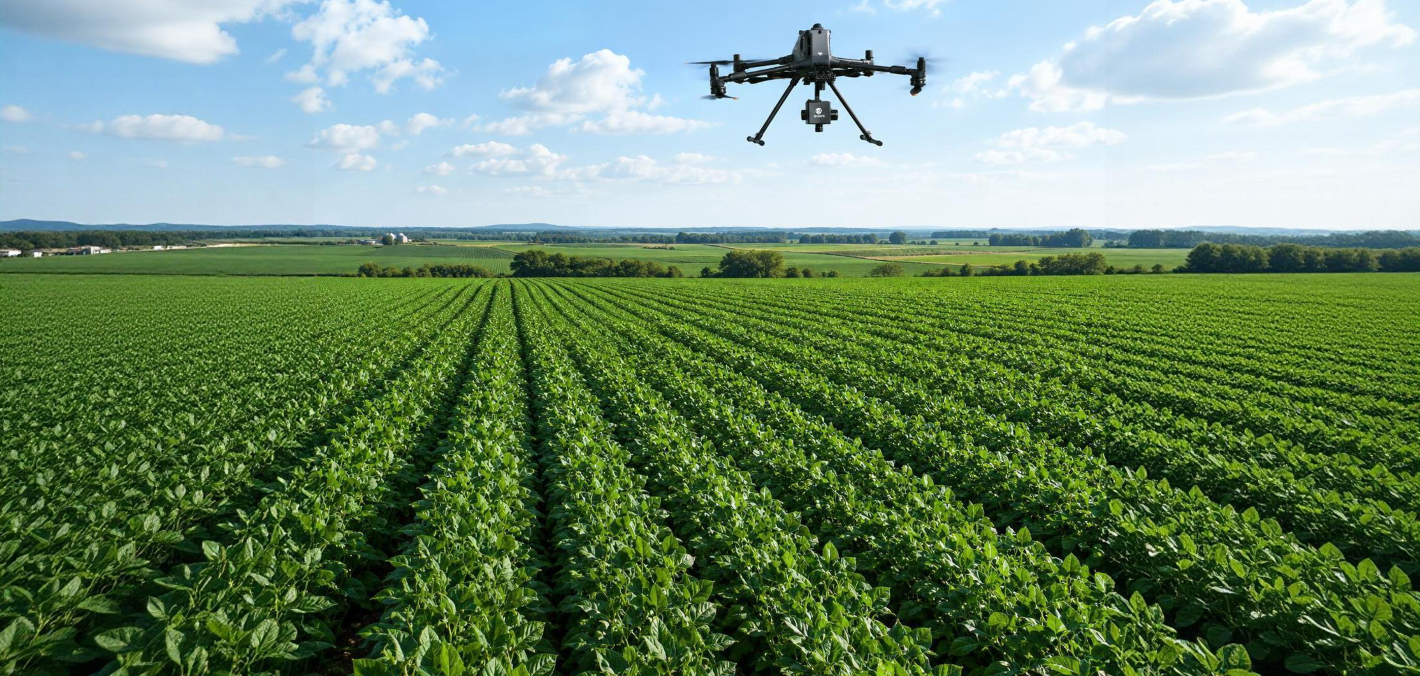
摘要:使用传感器估计作物氮 (N) 状态有助于根据作物需求调整肥料水平,从而降低农民的成本并减少氮对环境的损失。 在本研究中,我们评估了从田间数据和机载图像中获得的高光谱指数在制定玉米 (Zea mays L.) 氮肥建议方面的潜力。在 2012 年的一项随机田间试验中进行了测量,六种氮肥施用率从零到 200 kg·N·ha-1,并在两个不同的日期(第二次施肥 前和开花时)进行了四次重复。使用 SPAD®、Dualex® 和 Multiplex® 传感器在地面上读取读数,并通过在实验地点上 空 300 米处飞行高光谱和热传感器来获取机载数据。高光谱图像用于计算每个地块的绿度、叶绿素和光化学指数。皮尔 逊系数用于量化传感器读数与农学测量之间的相关性。基于氮充足指数的统计程序用于确定每个指数在区分氮缺乏和氮 充足地块时的准确性。在评估作物氮状况和预测开花产量方面,基于机载测量的指数与使用地面设备进行的测量一样可 靠。在茎伸长时,反射率、R750/R710 和荧光检索 (SIF760) 是与作物产量相比唯一产生显着结果的指数。田间 SPAD 读 数、机载 R750/R710 指数和 SIF760 在区分氮充足和氮缺乏处理时具有最低的错误率,但在商业田间应用之前仍建议减 少错误。
关键词:高光谱图像;叶绿素活性指数;荧光;窄带指数;作物氮状况;施肥推荐;光学传感器;空中图像
期刊:remote sensing
DOI:10.3390/rs6042940
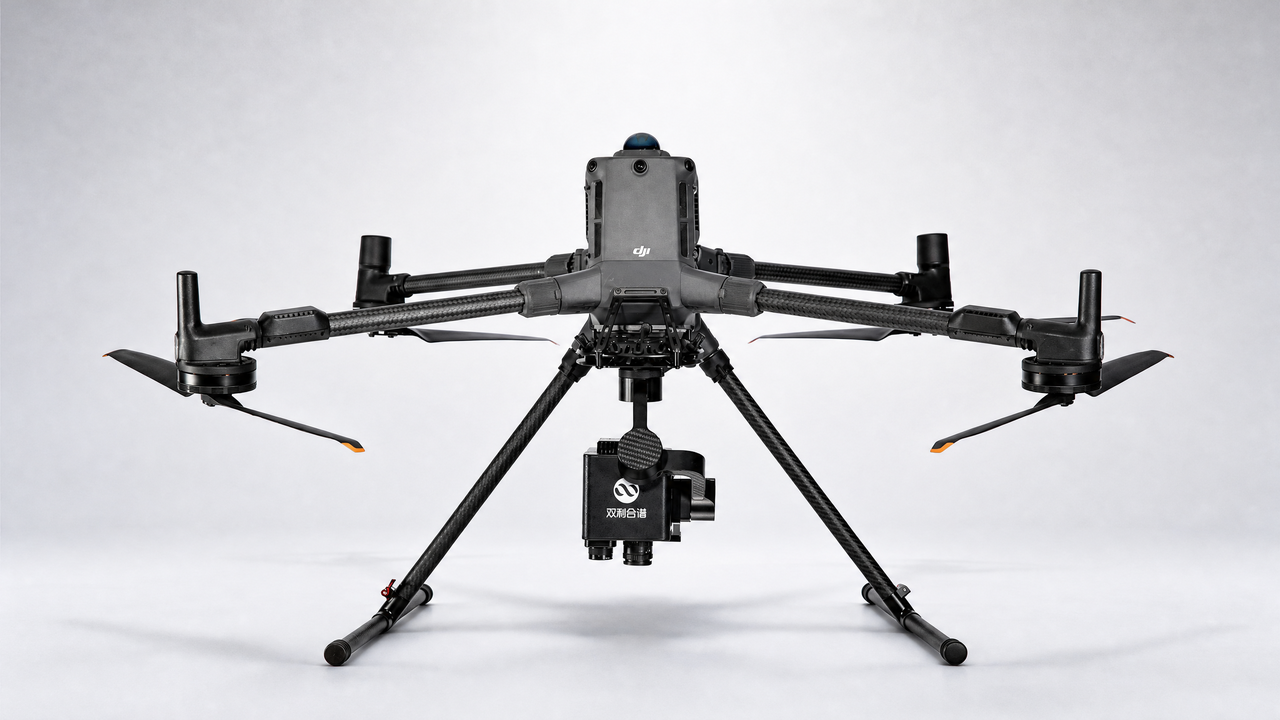
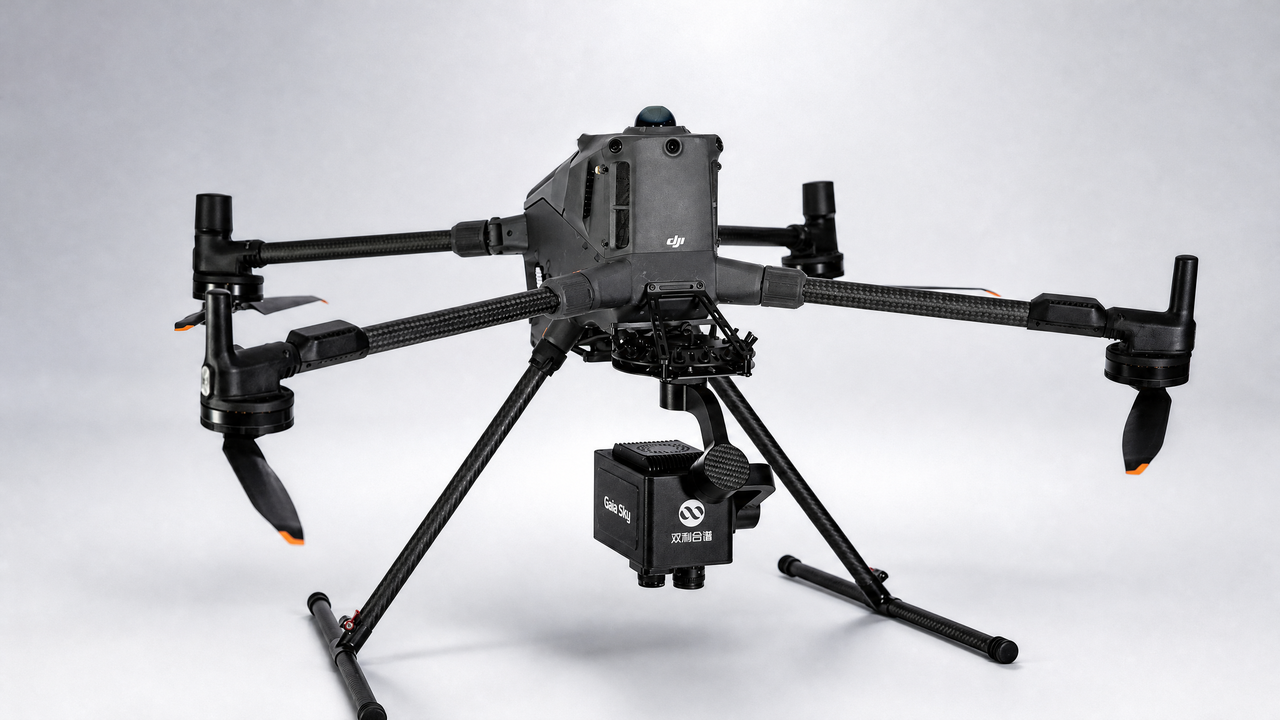
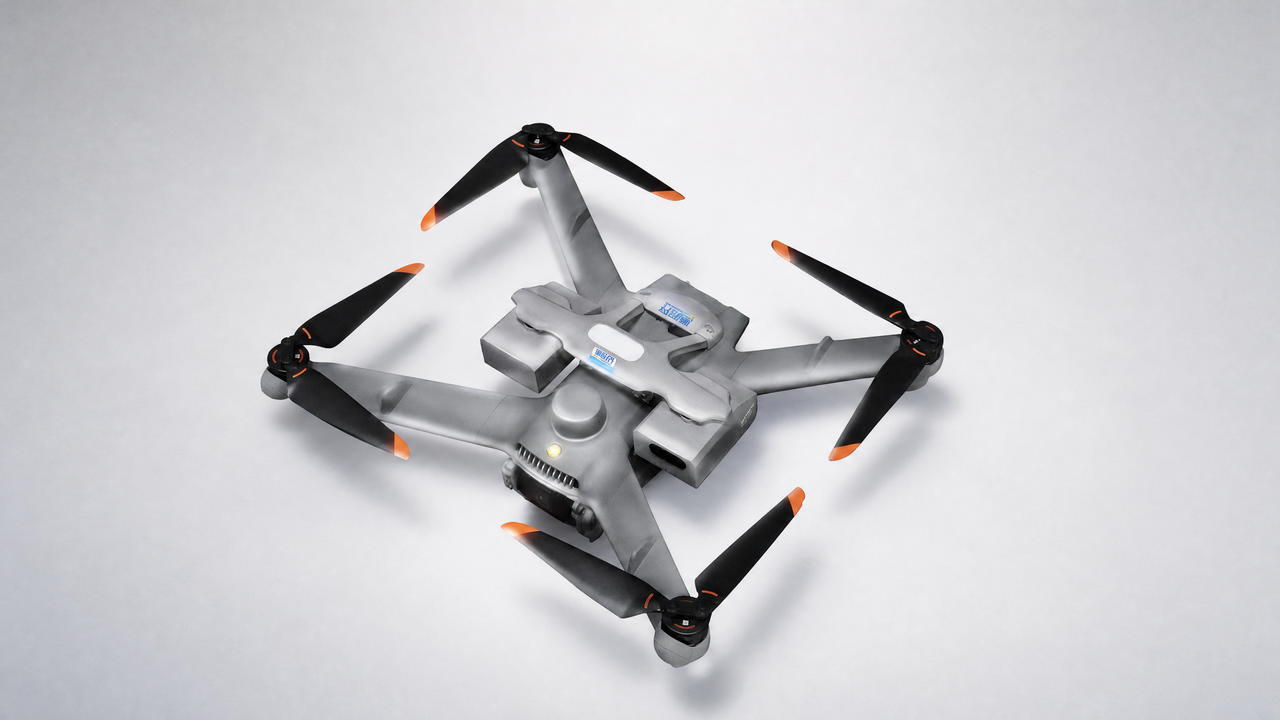
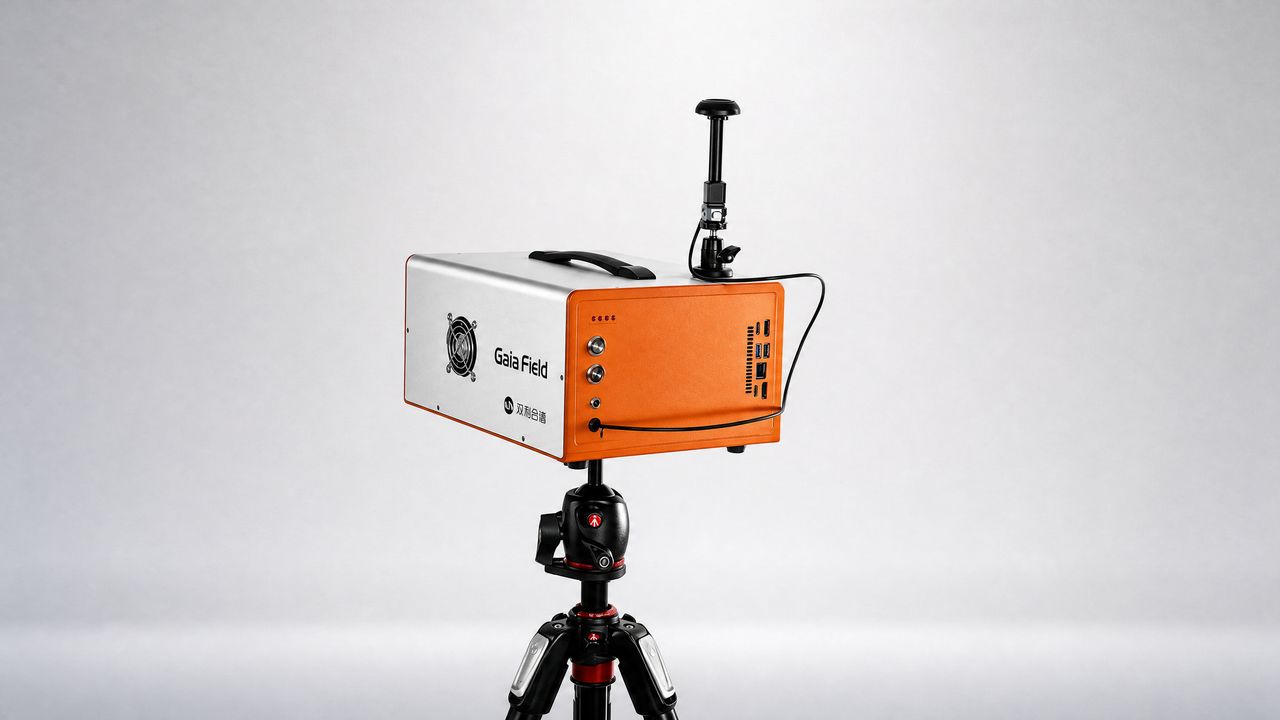
设备:GaiaSky
Airborne Hyperspectral Images and Ground-Level Optical Sensors As Assessment Tools for Maize Nitrogen Fertilization
Abstract:Estimating crop nitrogen (N) status with sensors can be useful to adjust fertilizer levels to crop requirements, reducing farmers’ costs and N losses to the environment. In this study, we evaluated the potential of hyperspectral indices obtained from field data and airborne imagery for developing N fertilizer recommendations in maize (Zea mays L.). Measurements were taken in a randomized field experiment with six N fertilizer rates ranging from zero to 200 kg·N·ha−1 and four replications on two different dates (before the second fertilizer application and at flowering) in 2012. Readings at ground level were taken with SPAD®, Dualex® and Multiplex® sensors, and airborne data were acquired by flying a hyperspectral and a thermal sensor 300 m over the experimental site. The hyperspectral imagery was used to calculate greenness, chlorophyll and photochemical indices for each plot. The Pearson coefficient was used to quantify the correlation between sensor readings and agronomic measurements. A statistical procedure based on the N-sufficient index was used to determine the accuracy of each index at distinguishing between N-deficient and N-sufficient plots. Indices based on airborne measurements were found to be as reliable as measurements taken with ground-level equipment at assessing crop N status and predicting yield at flowering. At stem elongation, the reflectance ratio, R750/R710, and fluorescence retrieval (SIF760) were the only indices that yielded significant results when compared to crop yield. Field-level SPAD readings, the airborne R750/R710 index and SIF760 had the lowest error rates when distinguishing N-sufficient from N-deficient treatments, but error reduction is still recommended before commercial field application.
Keywords:hyperspectral images; chlorophyll activity indices; fluorescence; narrow-band indices; crop nitrogen status; fertilizer recommendation; optical sensors; airborne images