






















返回列表
基于微高光谱成像技术的甜瓜叶片抗氧化酶活性最佳估算
农业监测
2026/09/21
摘要:为了选择最适合植物生长的光照类型,我们开发了一种用于检测甜瓜叶片抗氧化酶活性的定量模型,这使得我们 能够及时准确地监测植物生长。以甜瓜品种‘M5147’和‘M5346’的叶片为试材。已建立了六个处理不同的照度比。通过测 定甜瓜叶片超氧化物歧化酶(( SOD)、过氧化物酶(( POD)、过氧化氢酶(( CAT)活性,利用显微高光谱成像技术研究了甜 瓜叶片对不同强度光的不同反应。对原始光谱进行了预处理和优化。然后采用蚁群优化算法、迭代保留信息变量法、非 信息变量剔除法和遗传偏最小二乘法提取特征波长。基于最优特征波长建立了偏最小二乘回归(PLSR)、最小二乘支持 向量机(( LSSVM)和卷积神经网络(( CNN)。T4处理(( 光比:7 R/3B/5 W/1UVa,光通量:μmol(( m2-s),光照12 h)的效 果最佳。在光谱数据的预处理中,对SOD、POD和CAT的光谱数据采用正交信号校正(( OSC)方法。基于GAPLS-CNN 构建的SOD预测模型性能最好(R = 0.751,R = 0.638);基于UVE-CNN构建的POD预测模型性能最好(R = 0.753, c p c R = 0.530);基于ACO-CNN构建的CAT预测模型性能最好(R = 0.742,R = 0.504)。本研究旨在通过化学方法与显微 p c p 高光谱成像技术相结合,建立甜瓜叶片抗氧化酶活性的定量检测模型,为其他植物叶片抗氧化酶活性的动态监测提供技 术支持。本研究为其他植物光比筛选提供了数据和理论依据,并为动态监测其叶片抗氧化酶活性提供了技术指导。
关键词:显微高光谱成像;抗氧化酶活性;CNN预测模型;甜瓜叶片。
期刊:Microchemical Journal
DOI:https://doi.org/10.1016/j.microc.2024.111626
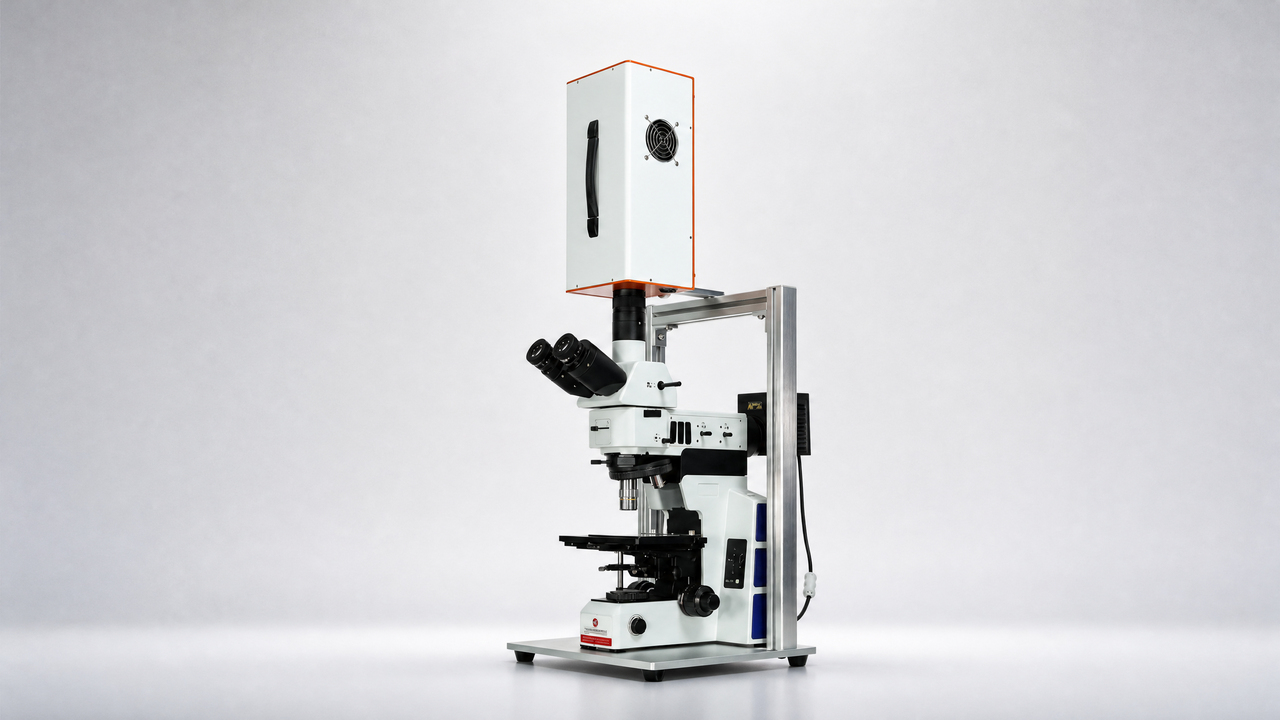
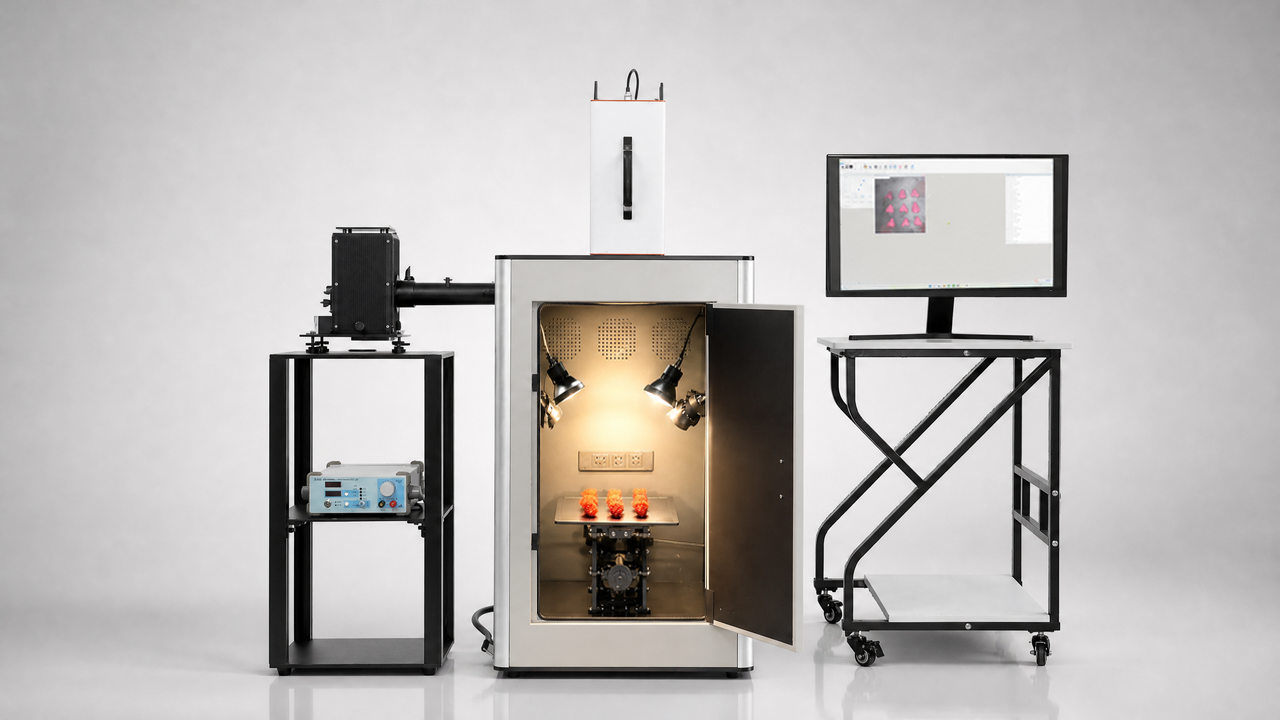
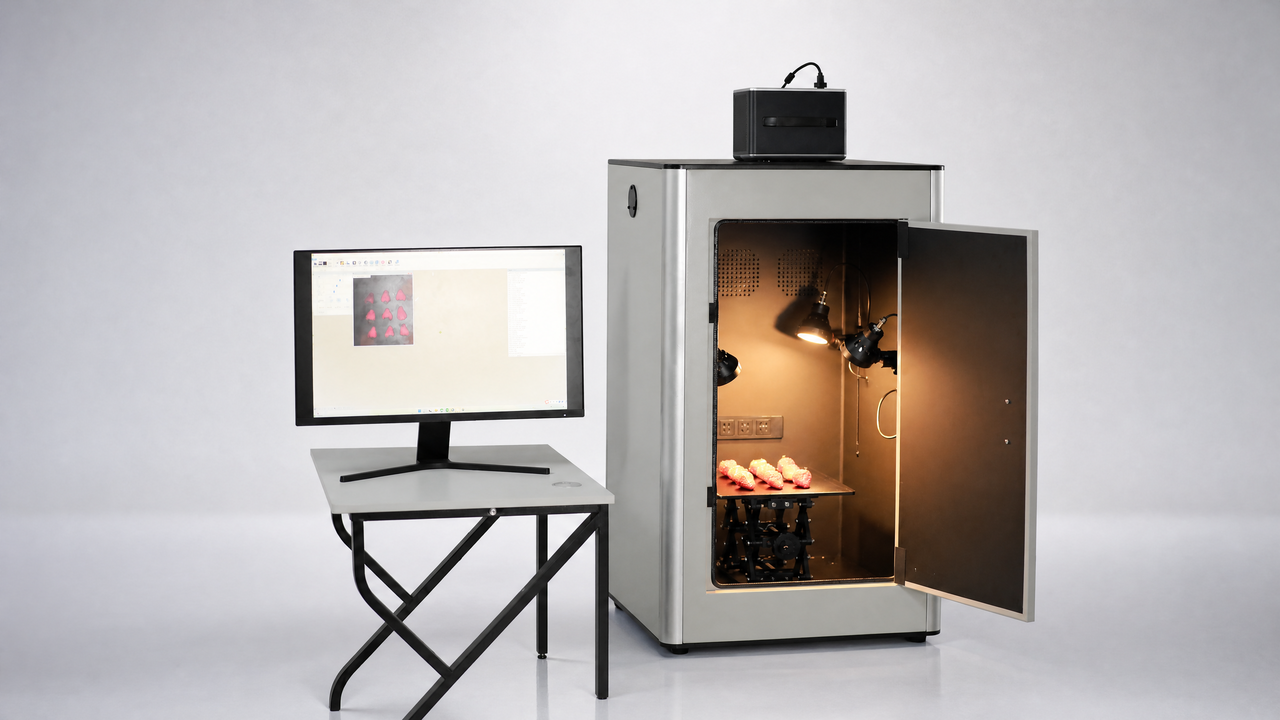
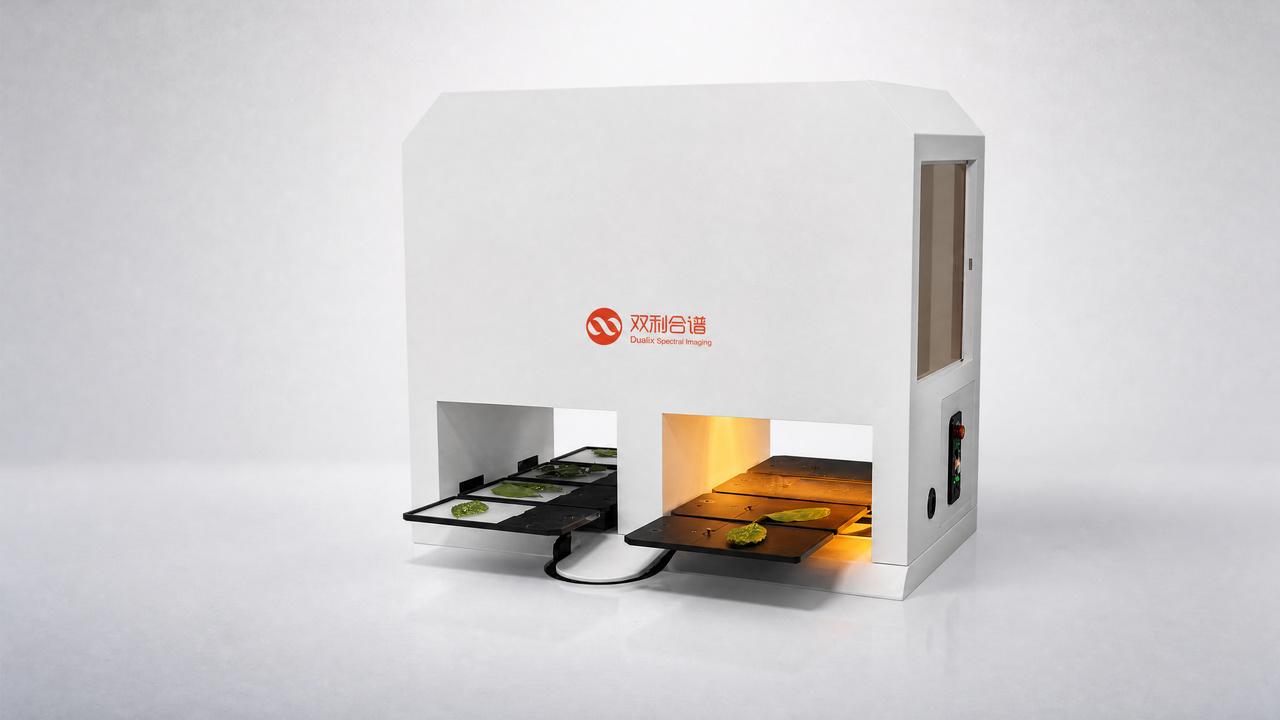
设备:GaiaMicro
Optimal antioxidant enzyme activity estimation in melon plant leaves based on microhyperspectral imaging technique
Abstract:In order to select the most suitable type of light for plant growth, we have developed a quantitative model for the detection of antioxidant enzyme activities on melon leaves, which allows us to monitor plant growth in a timely and accurate manner. Leaf of melon ‘M5147’ and ‘M5346’ were used as test material. Six treatments have been established with different illuminance ratios. By the measurement of leaf superoxide dismutase (SOD), peroxidase (POD), catalase (CAT) activities, the varying response of melons leaf to different grades of light have been studied using microscopic hyperspectral imaging at the plant factory. The original spectrum has been pre-processed and optimized. And then the characteristic wavelengths were extracted by ant colony optimization (ACO), iterative retained information variable (IRIV), un-information variable elimination (UVE) and genetic partial least squares (GAPLS). Partial Least Squares Regression (PLSR), least squares support vector machine (LSSVM) and convolutional neural network (CNN) are built based on the optimal feature wavelengths. T4 treatment (Light ratio: 7R/3B/5W/1UVa, Flux: μmol (m2- s), photoperi 12 h) was found to be optimum. In the pre-processing of the raw spectral data, orthogonal signal correction (OSC) methods were selected for SOD, POD and CAT. The best performance of SOD prediction model was constructed based on GAPLS- CNN (R = 0.751, R = 0.638); The best performance of POD prediction model was constructed based on UVE-CNN (R = 0.753, c p c R = 0.530); The best performance of CAT prediction model constructed based on ACO-CNN (R = 0.742, R = 0.504). The aim of p c p this study was to provide technical support for the dynamic monitoring of antioxidant enzyme activity in the leaves of other plants by establishing a quantitative detection model for antioxidant enzyme activity in melon leaves by combining chemical methods with microscopic hyperspectral imaging technology. This work provides data and a theoretical basis for screening light ratios in other plants and offers technical guidance for dynamically monitoring antioxidant enzyme activities in their leaves.
Keywords:Microscopic hyperspectral imaging, Antioxidant enzyme activity, CNN prediction model, Melon leaf.