


















返回列表
结合迁移学习的二维相关光谱(2DCOS)图像对不同龄期山核桃进行分类
食品检测
2026/09/21
摘要:中国山核桃因其独特的风味和丰富的营养价值,在中国东部地区备受推崇。然而,由于其富含多不饱和脂肪酸, 山核桃在储存过程中容易氧化变质。本研究提出了一种创新方法,通过结合二维相关光谱分析(2DCOS)与迁移学习技 术,并利用高光谱成像技术(( HSI),对山核桃仁按照陈化时间进行分类。研究中对1200颗处于不同陈化阶段的山核桃仁 进行了高光谱成像,提取了900–1670 nm波长范围内的光谱数据,并生成了同步、异步和综合二维相关光谱图像。研究 采用的分析框架包括五种光谱预处理方法:一阶导数(FD)、二阶导数(SD)、多元散射校正(MSC)、标准正态变量变 换(( SNV)和去趋势(( DET);四种波长选择技术:连续投影算法(( SPA)、迭代保留信息变量(( IRIV)、变量组合种群分 析((VCPA)和迭代变量子集优化((IVSO);五种迁移学习模型:DarkNet19、DarkNet53、ResNet50、InceptionV3和Xception; 以及两种传统方法:支持向量机(( SVM)和线性判别分析(( LDA)。这一全面的策略旨在根据陈化时间对山核桃仁进行准 确分类。研究结果表明,同步二维相关光谱分析在分类陈化山核桃仁方面显著优于异步和综合形式。其中,采用 292 个 ((62.80%)波长变量的FD-IVSO-2DCOS-DarkNet19模型在测试集上达到了98.75%的准确率,超过了仅使用40个((8.6%) 波长变量的 SD-SPA-2DCOS-DarkNet53 模型(准确率为 97.92%)。这些模型不仅优于其他使用全波长范围的二维相关光 谱方法,还显著优于传统的基于一维光谱的LDA和SVM模型,无论其波长范围如何。研究表明,同步二维相关光谱图 像与合适的迁移学习技术相结合,具有强大的区分能力,显示出其在陈化山核桃仁分类中的潜在应用价值。
关键词:山核桃仁;陈化处理;二维相关光谱分析(2DCOS);迁移学习;高光谱成像;变量选择
期刊:Microchemical Journal
DOI:https://doi.org/10.1016/j.microc.2024.112266
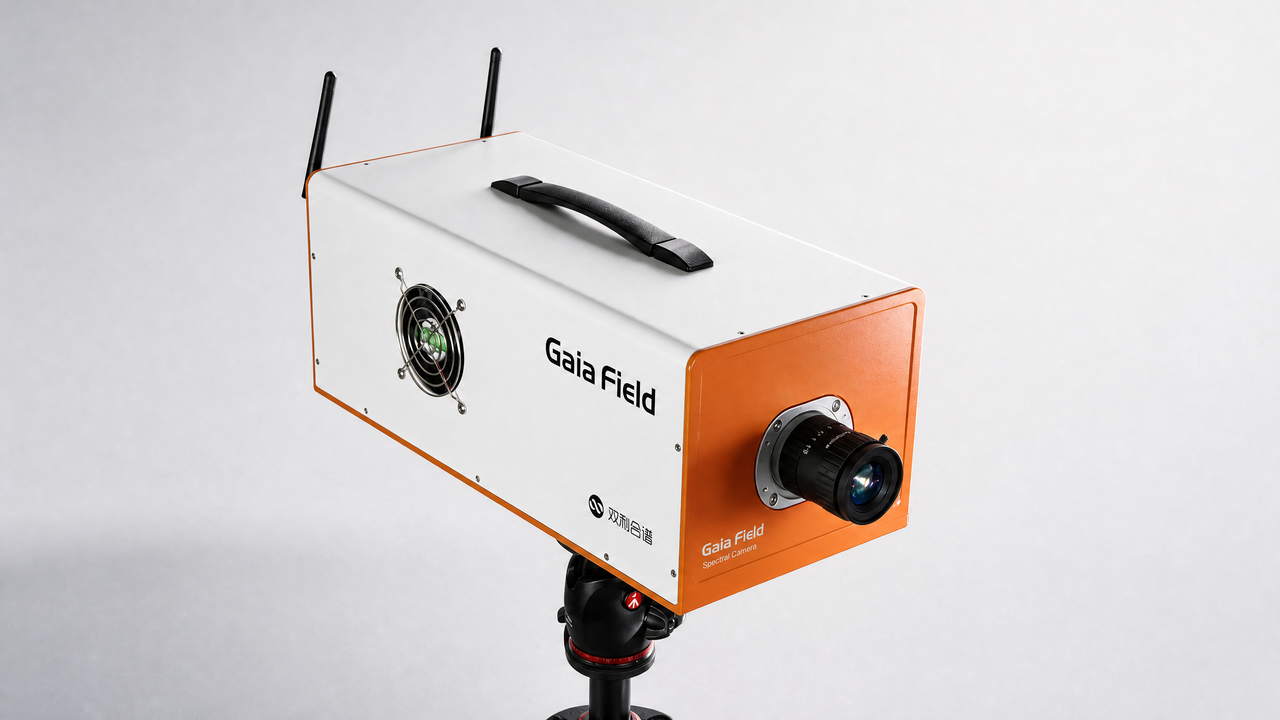
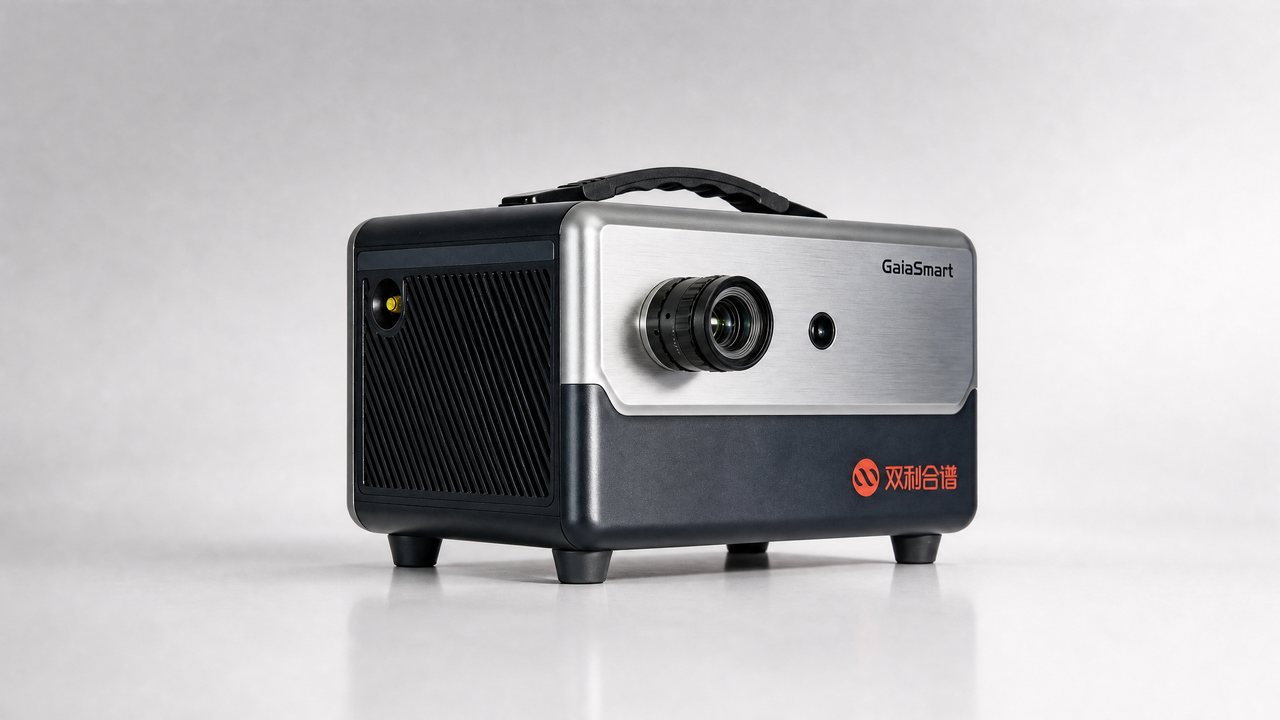
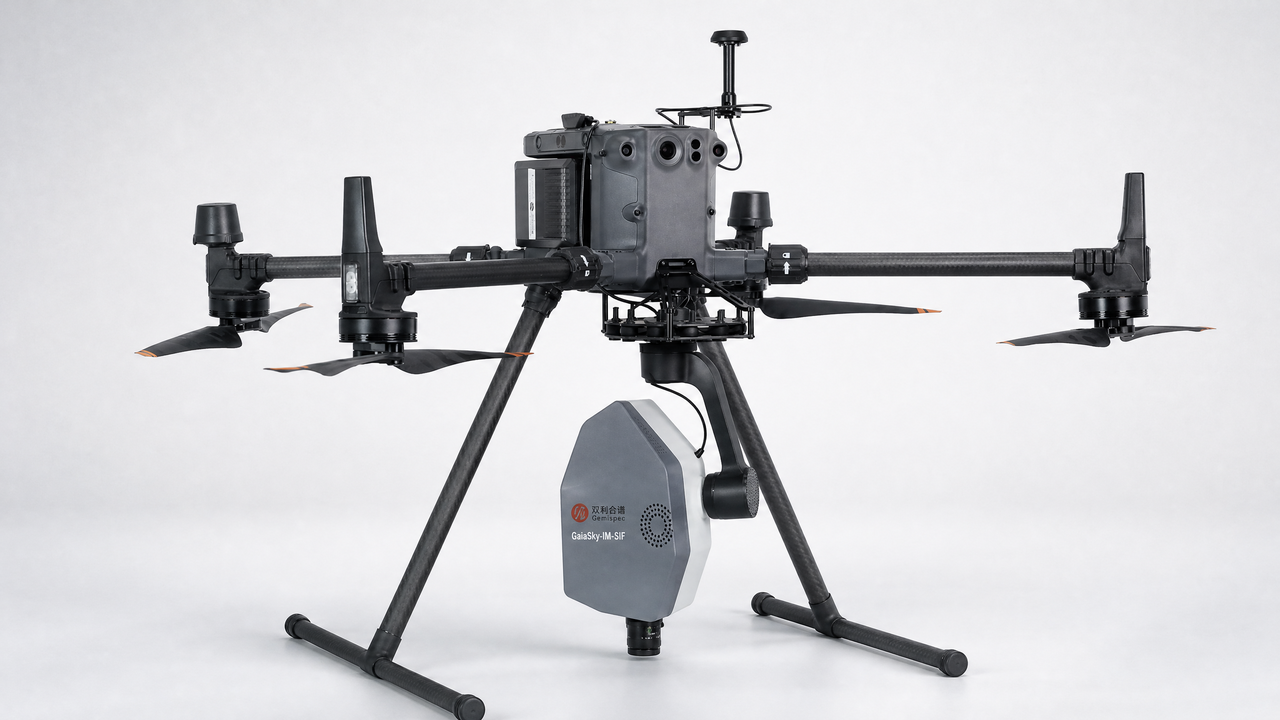
设备:GaiaField
Classiffcation of Chinese hickory with different aging times using two-dimensional correlation spectral (2DCOS) images combined with transfer learning
Abstract:The Chinese hickory (Carya cathayensis Sarg.), highly valued in eastern China for its culinary appeal and nutritional value, is prone to rancidity during storage due to its high content of polyunsaturated fatty acids. This research introduces an innovative method for categorizing Chinese hickory nuts according to their aging durations by integrating two-dimensional correlation spectroscopy (2DCOS) with transfer learning, using hyperspectral imaging technology (HSI). The study captured hyperspectral images of 1,200 hickory kernels at various aging stages, extracting spectral data within the 900–––1670 nm range. Using this spectral data, synchronous, asynchronous, and integrative 2DCOS images were generated. The analytical framework comprised ffve spectral preprocessing methods:ffrst derivative (FD), second derivative (SD), multiplicative scatter correction (MSC), standard normal variate (SNV), and detrend (DET); four wavelength selection techniques:successive projections algorithm (SPA), iteratively retaining information variables (IRIV), variable combination population analysis (VCPA), and iteratively variable subset optimization (IVSO); ffve transfer learning models:DarkNet19, DarkNet53, ResNet50, InceptionV3 and Xception; along with two traditional approaches: support vector machine (SVM) and linear discriminant analysis (LDA). This thorough strategy was designed to accurately classify the nuts on the basis of their aging time. The ffndings revealed that synchronous 2DCOS signiffcantly outperformed asynchronous and integrative forms in classifying aged hickory kernels. The FD-IVSO-2DCOS- DarkNet19 model, employing 292 (62.80 %) wavelength variables, reached an impressive accuracy of 98.75 % in the test set, surpassing the SD-SPA-2DCOS-DarkNet53 model, which used only 40 (8.6 %) wavelength variables and achieved an accuracy of 97.92 %. These models excelled over other 2DCOS approaches that utilized the full wavelength range and signiffcantly outdid the conventional one-dimensional spectral LDA and SVM models, regardless of wavelength scope. The study underscores that synchronous 2DCOS images, when combined with suitable transfer learning techniques, provide robust discriminative power, suggesting their potential utility in the classiffcation aged hickory nuts.
Keywords:Hickory kernels; Aging; Two-dimensional correlation spectroscopy (2DCOS); Transfer learning; Hyperspectral imaging; Variable selection