









返回列表
利用稀疏自编码器预测青梅可溶性固形物含量
食品检测
2026/09/21
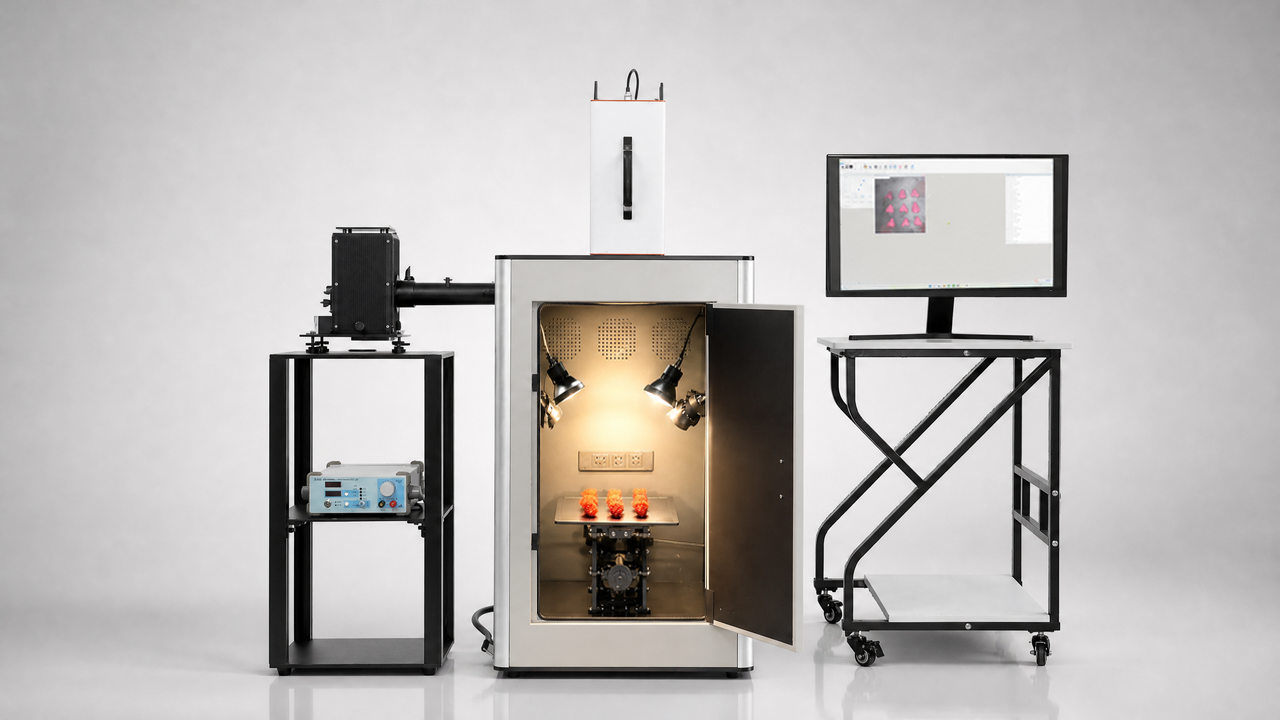
摘要:可溶性固形物含量(( SSC)影响青梅的风味,是加工过程中的重要参数。近年来,高光谱技术在水果成分无损检测 中得到了广泛的应用,但大多数模型的预测精度难以进一步提高。深度学习技术的快速发展为模型的建立奠定了基础。 开发了一种针对青梅 SSC 测量的新型高光谱成像系统,并结合稀疏自编码器(SAE)-偏最小二乘回归(PLSR)模型, 进一步提高了成分预测的准确性。实验结果表明,SAE-PLSR模型对青梅SSC的预测效果优于三种传统方法,其预测集 的相关系数为 0.938,均方根误差为 0.654。本文采用集成方法将三种不同的预处理方法与 PLSR 相结合,对青李中的 SSC 进行预测。SAE-PLSR 模型表现出良好的预测性能,表明所提出的 SAE-PLSR 模型可以有效地检测青李中的 SSC。
关键词:青李;SSC;高光谱;预测;深度学习;SAE
期刊:Applied Sciences
DOI:10.3390/app10113769
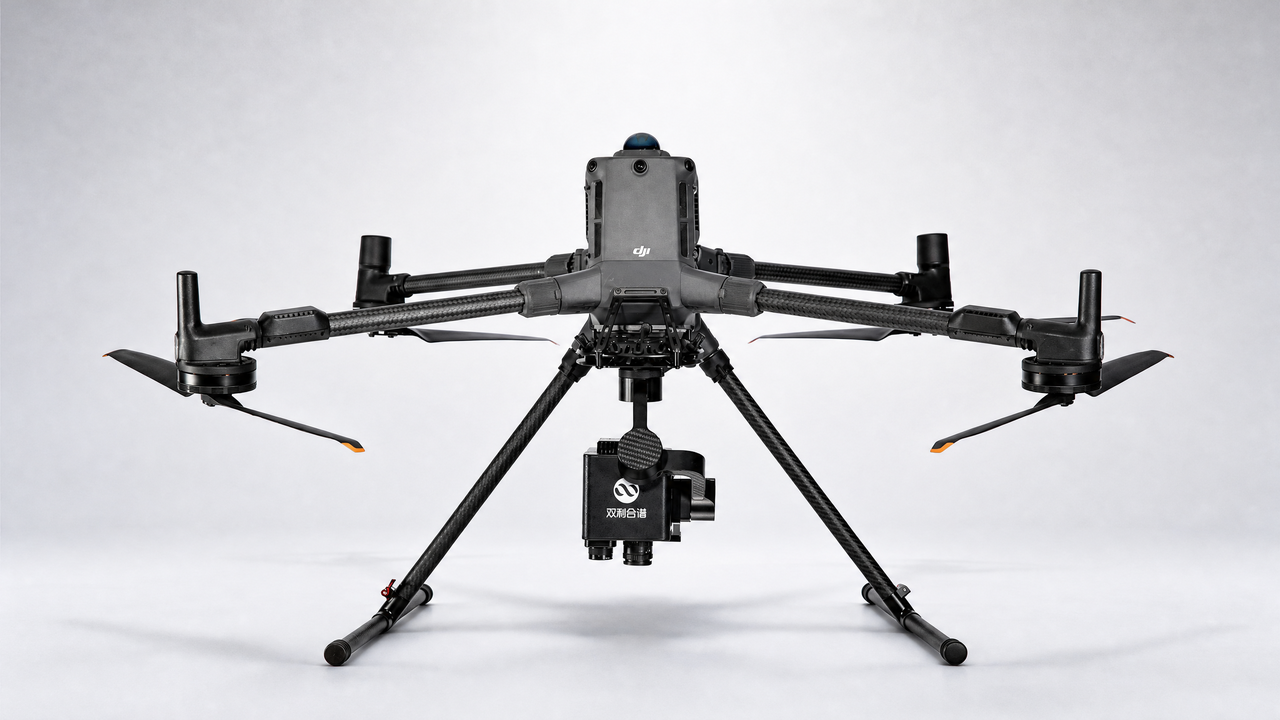
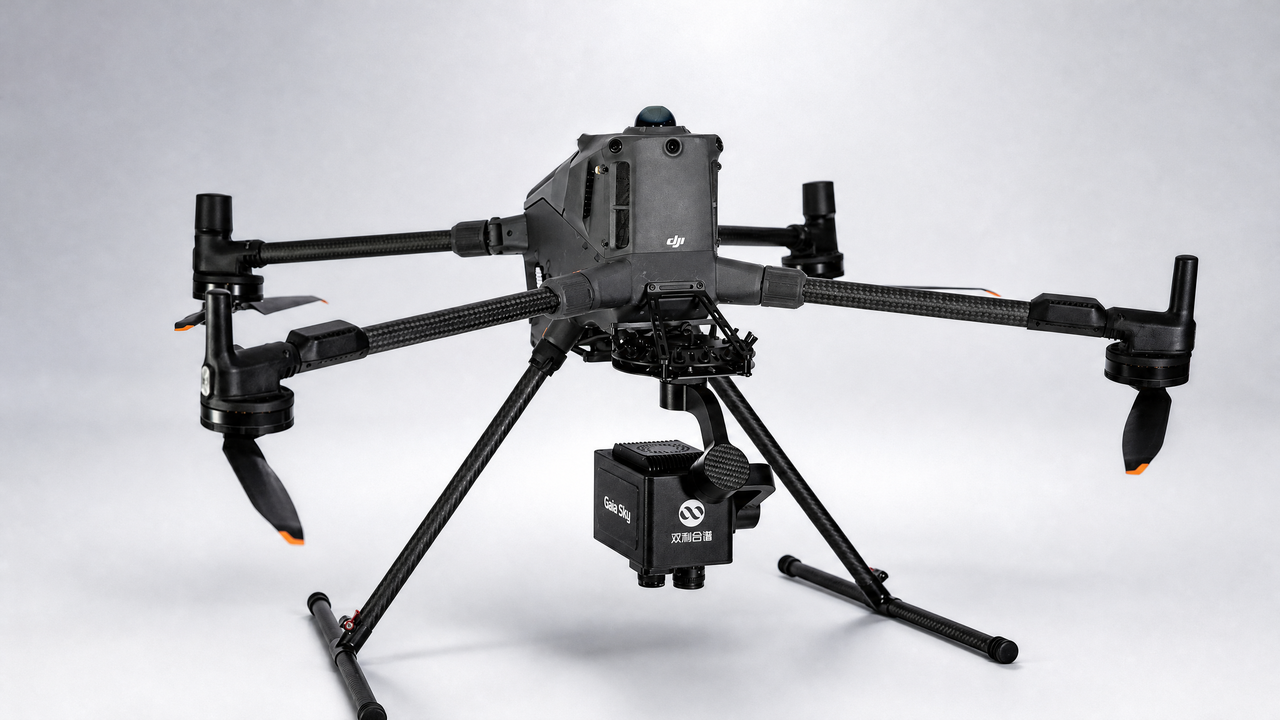
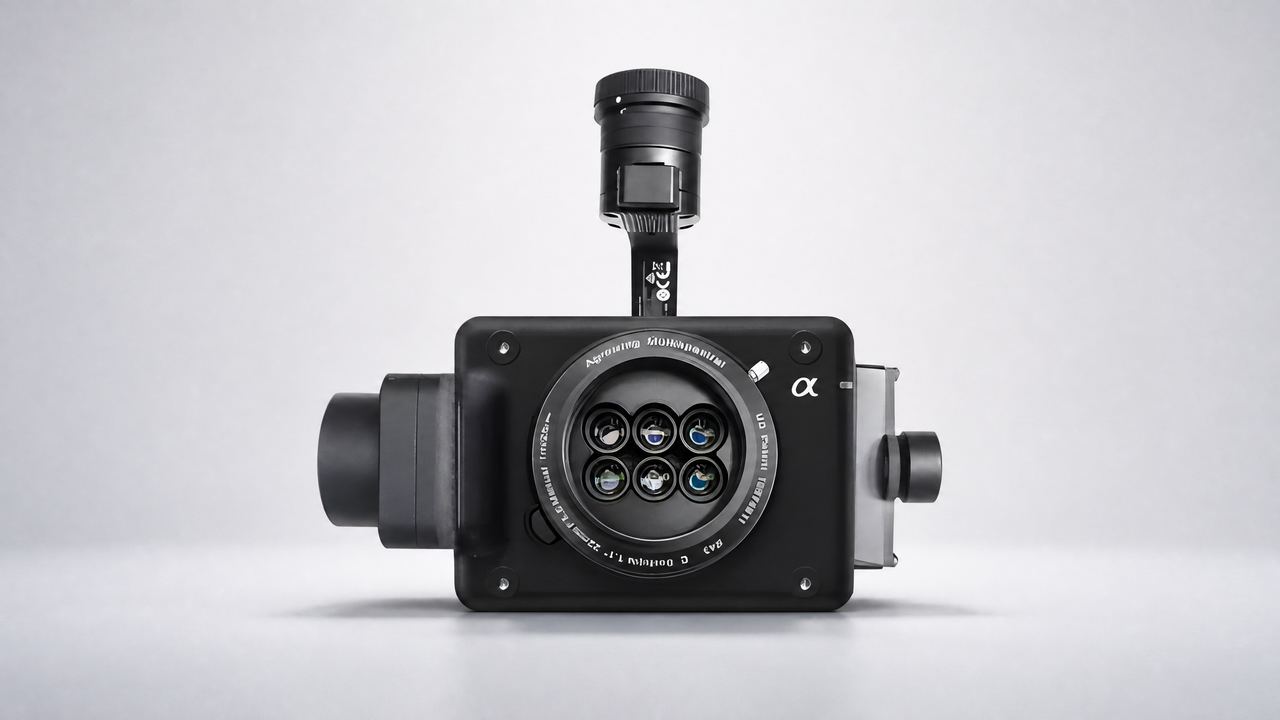
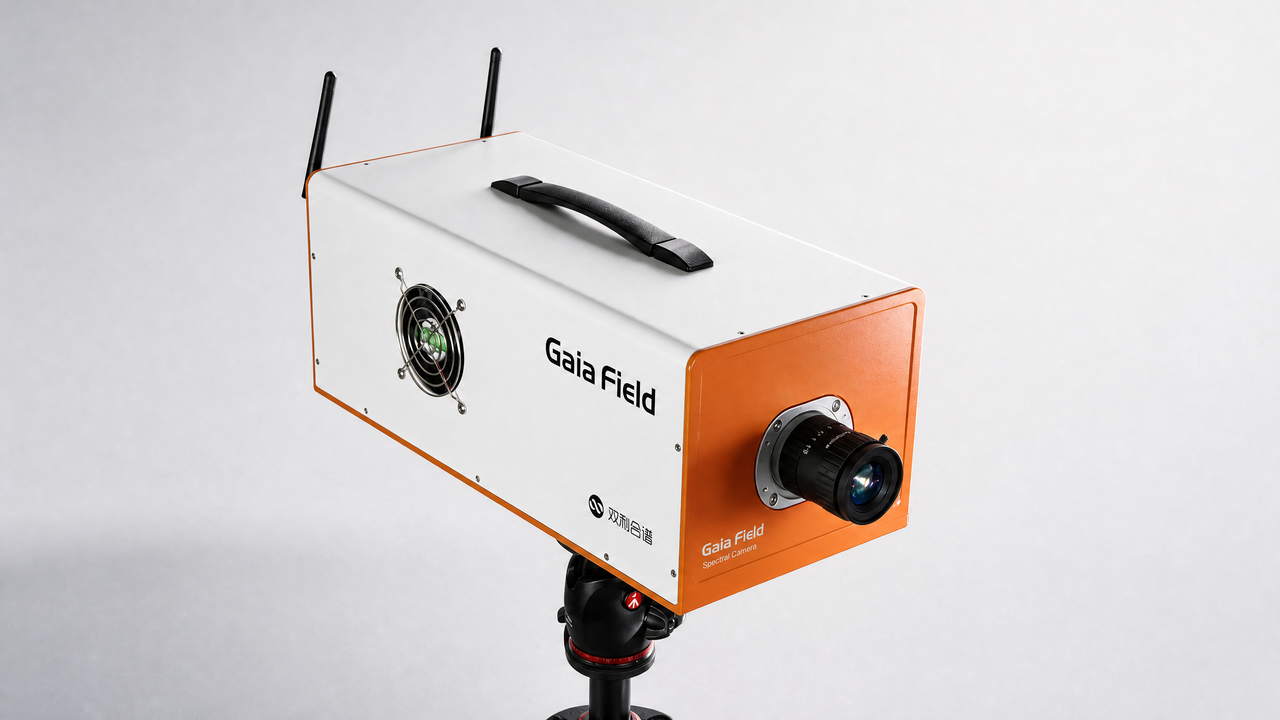
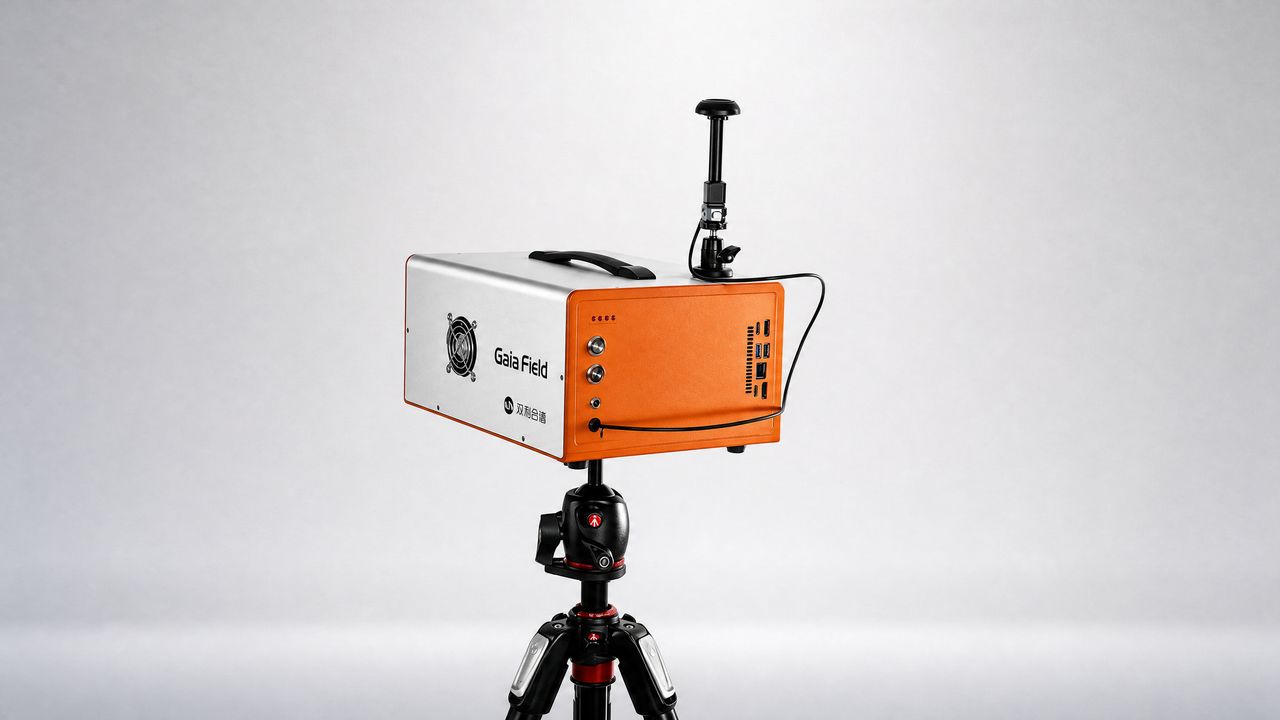
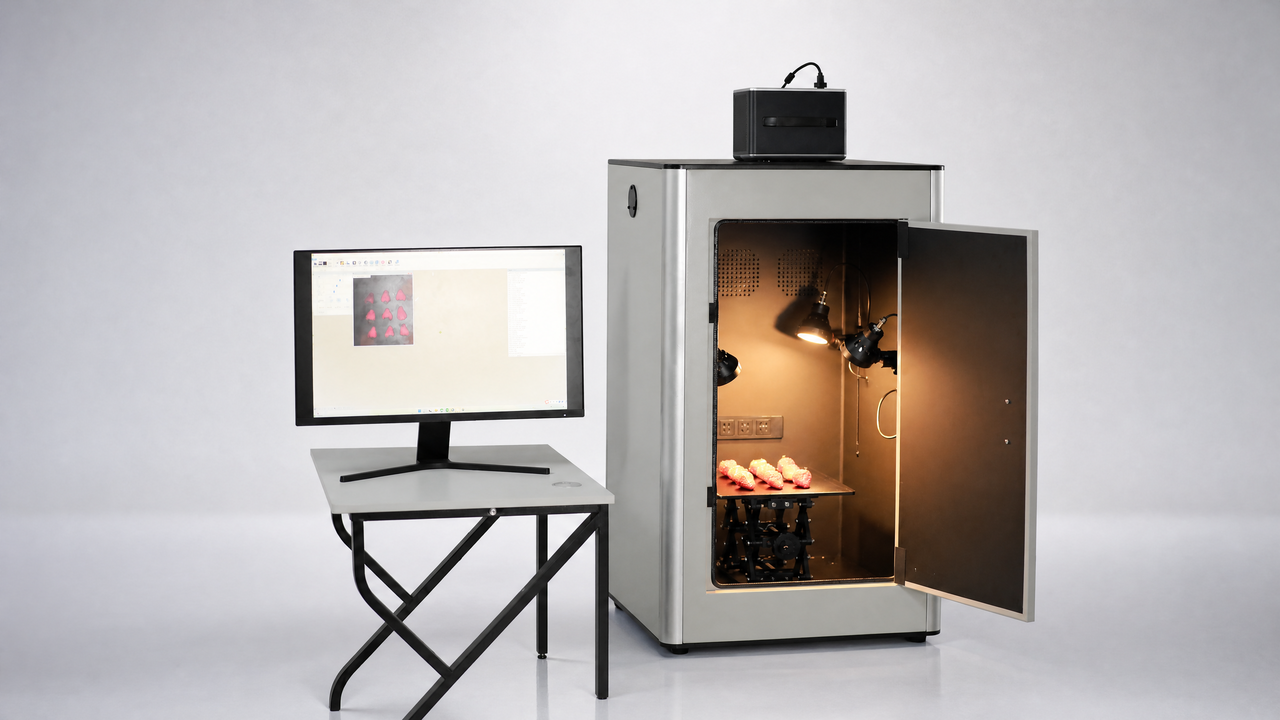
设备:GaiaField
Prediction of Soluble Solids Content in Green Plum by Using a Sparse Autoencoder
Abstract:The soluble solids content (SSC) a ects the flavor of green plums and is an important parameter during processing. In recent years, the hyperspectral technology has been widely used in the nondestructive testing of fruit ingredients. However, the prediction accuracy of most models can hardly be improved further. The rapid development of deep learning technology has established the foundation for the improvement of building models. A new hyperspectral imaging system aimed at measuring the green plum SSC is developed, and a sparse autoencoder (SAE)–partial least squares regression (PLSR) model is combined to further improve the accuracy of component prediction. The results of the experiment show that the SAE–PLSR model, which has a correlation coe cient of 0.938 and root mean square error of 0.654 for the prediction set, can achieve better performance for the SSC prediction of green plums than the three traditional methods. In this paper, integration approaches have combined three di erent pretreatment methods with PLSR to predict the SSC in green plums. The SAE–PLSR model has shown good prediction performance, indicating that the proposed SAE–PLSR model can e ectively detect the SSC in green plums.
Keywords:green plum; SSC; hyperspectral; prediction; deep learning; SAE