






返回列表
利用高光谱成像预测萎凋发酵过程中茶叶中茶多酚、游离氨基酸及咖啡因含量
食品检测
2026/09/21
摘要:萎凋发酵程度是衡量红茶加工工艺的关键参数,传统方法判断萎凋发酵程度耗时低效。为定量判断鲜茶的萎凋发 酵程度,本文建立了基于高光谱成像技术的茶叶生化成分监测模型。利用高光谱成像技术获取原料萎凋发酵过程中的光 谱数据,采用连续投影算法(( SPA)、竞争自适应重加权采样(( CARS)和无信息变量剔除(( UVE)选取特征波段,结合支 持向量机(( SVM)、随机森林(( RF)和偏最小二乘(( PLS)方法,建立茶多酚(( TPs)、游离氨基酸(( FAA)和咖啡因(( CAF) 含量的监测模型。结果表明:(1)3 种特征波段选择方法中 CARS 表现最好,3 种机器学习模型中 PLS 表现最好;(2) 对茶树TPs、FAA、CAF含量预测效果最优的模型分别为CARS-PLS、SPA-PLS、CARS-PLS,预测集的决定系数分别为 0.91、0.88、0.81;(3)对萎凋发酵程度定量判断效果最优的模型分别为FAA-SPA-PLS、TPs-CARS-PLS。本研究提出的 模型可提高茶叶生化成分监测效率,为红茶加工过程中萎凋发酵程度的智能判断提供依据。
关键词:茶树;高光谱成像;机器学习;萎凋程度;发酵程度;品质构成
期刊:Foods
DOI:https://DOI.org/10.3390/foods11162537
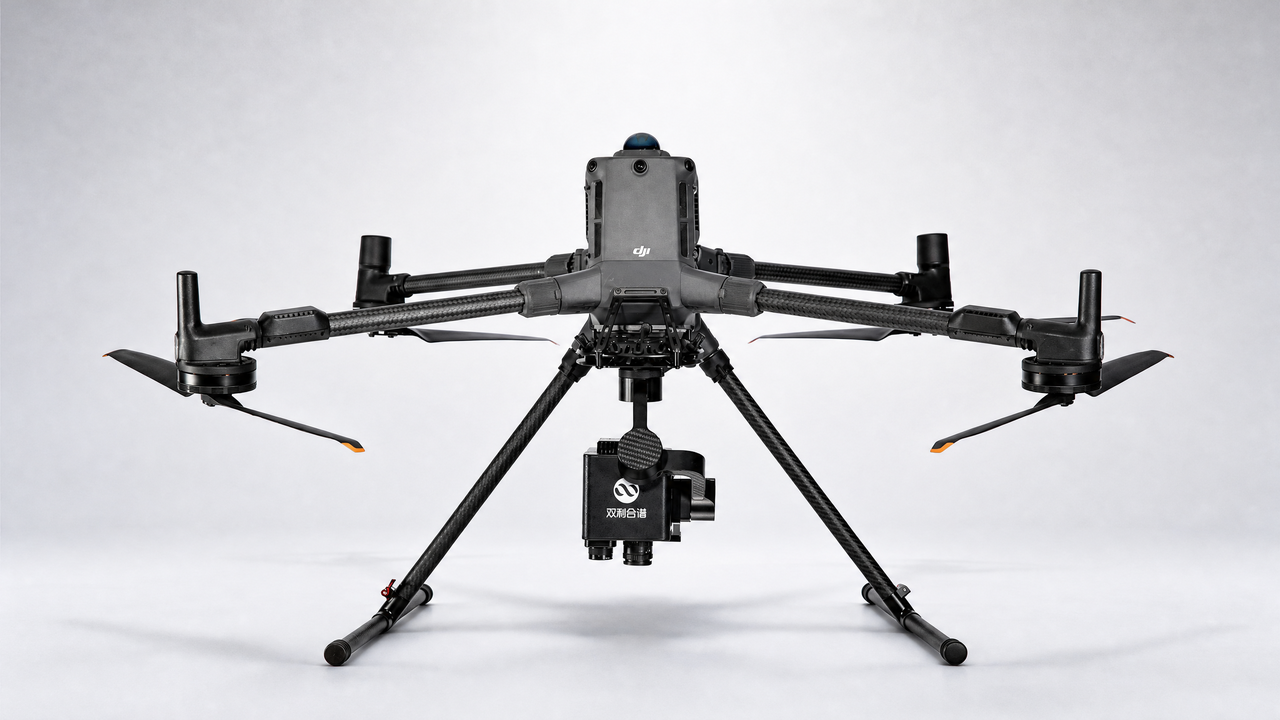
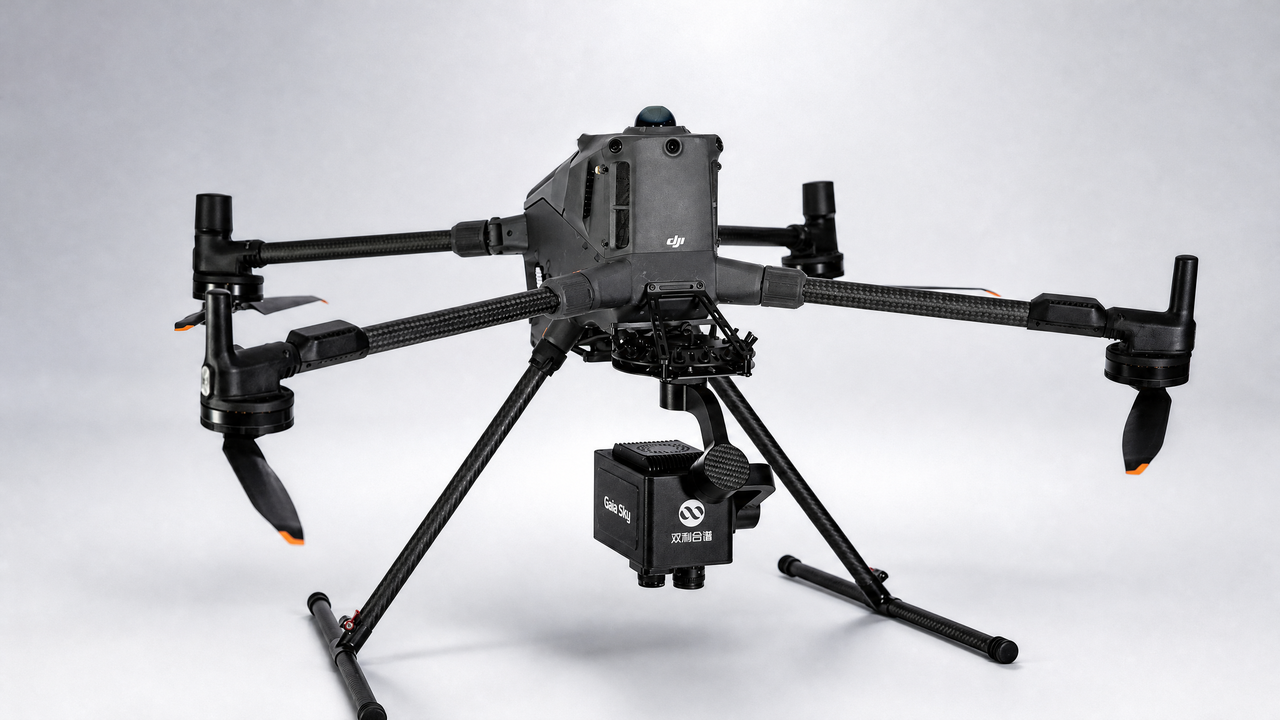
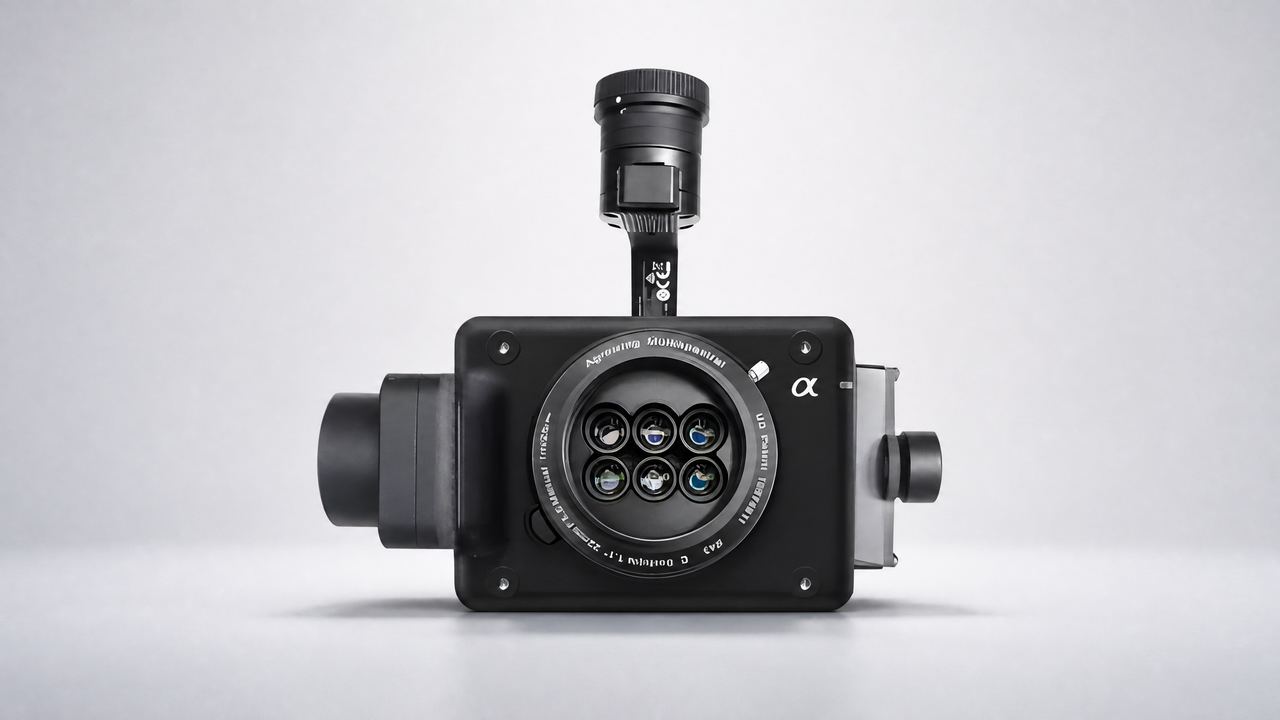
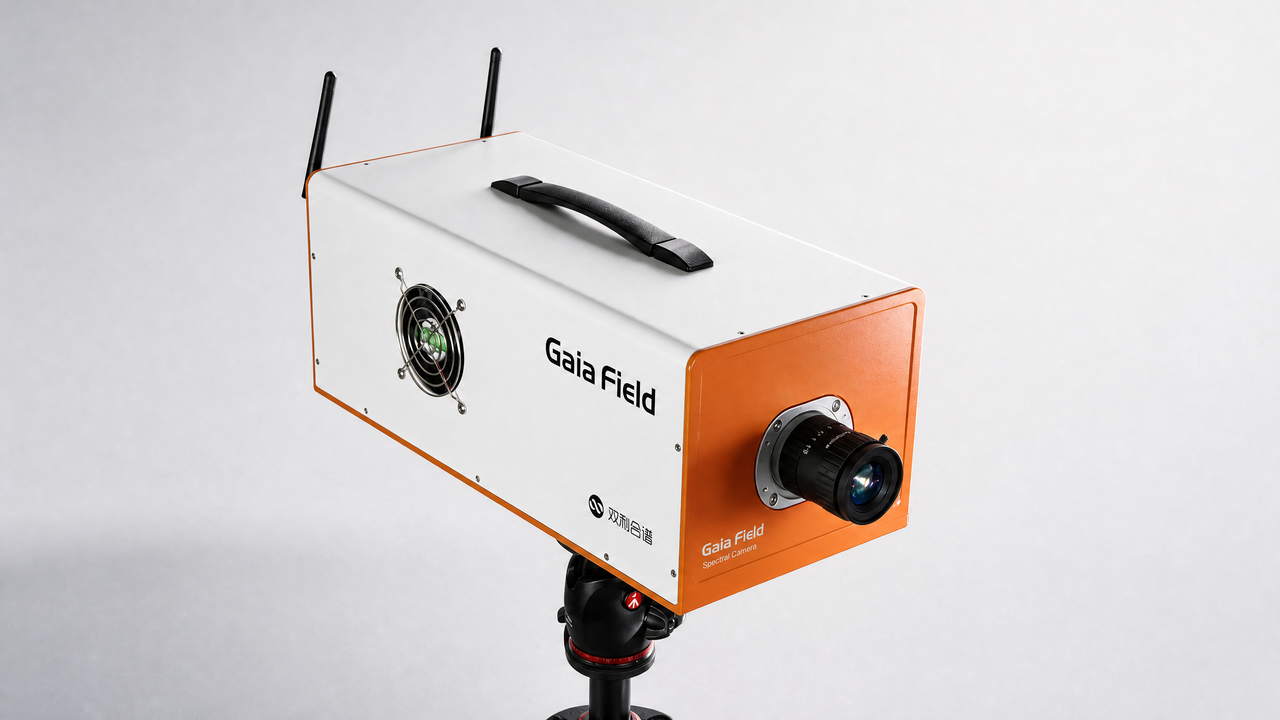
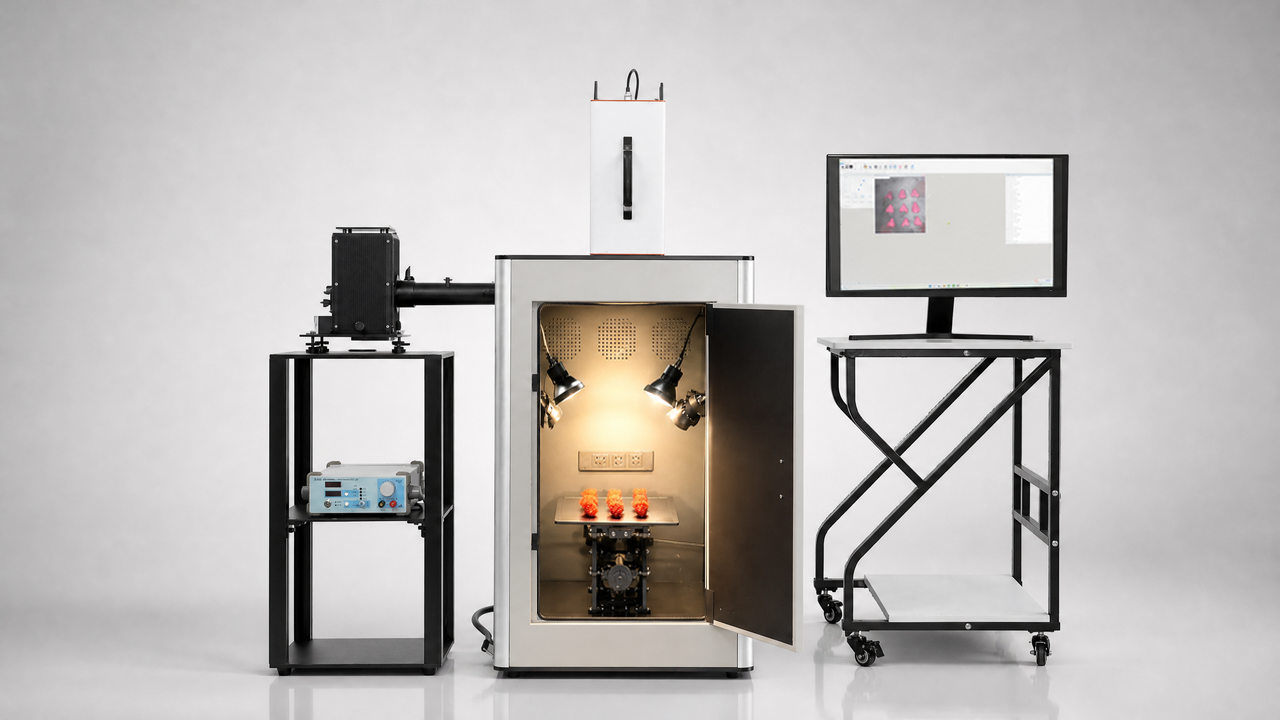
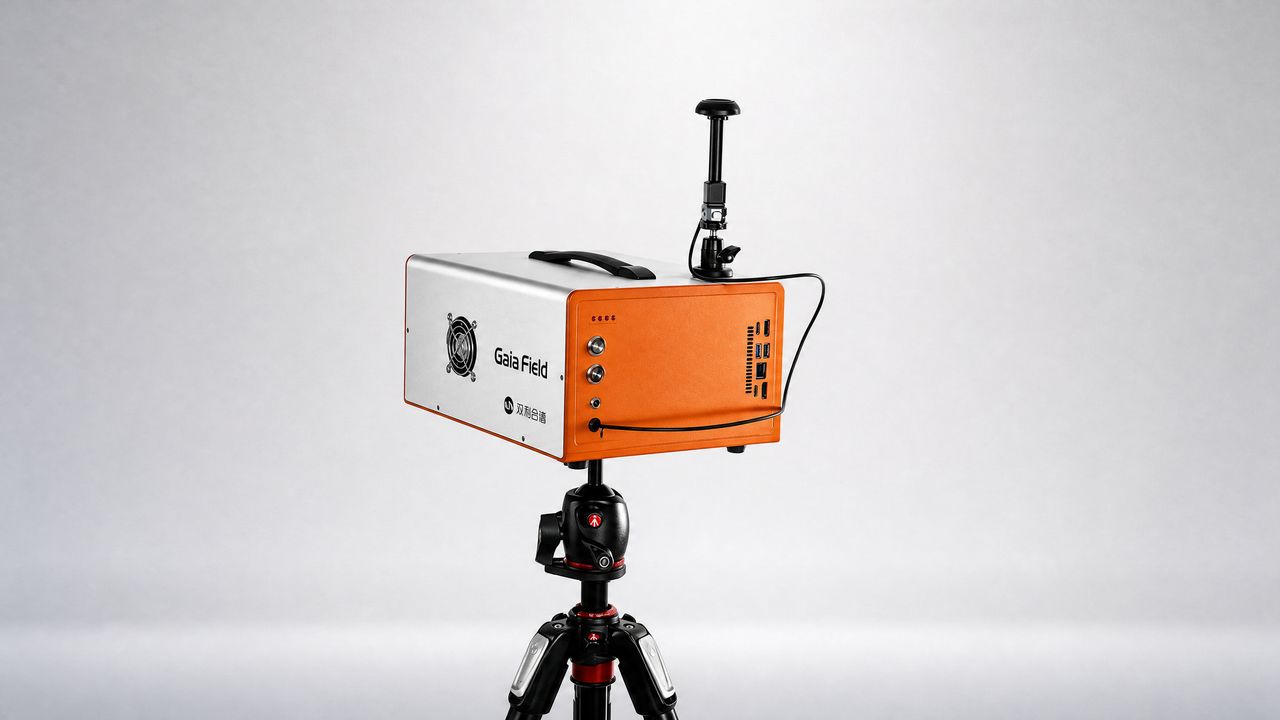
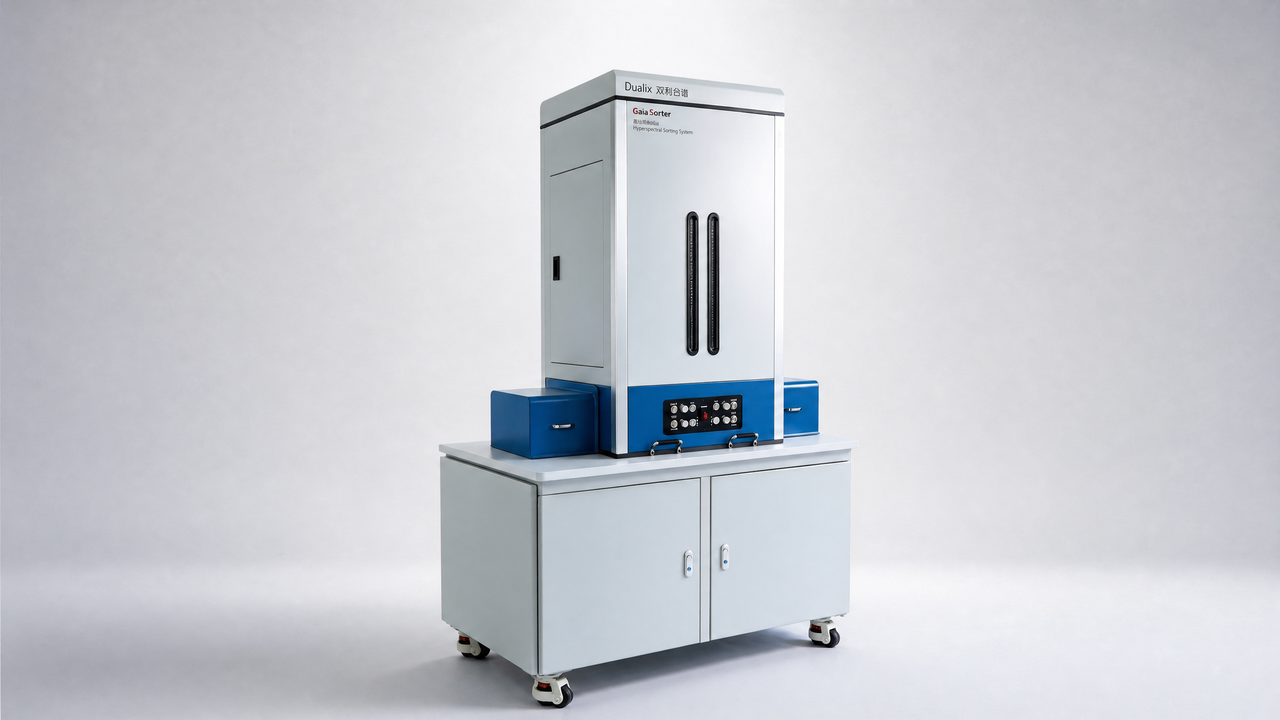
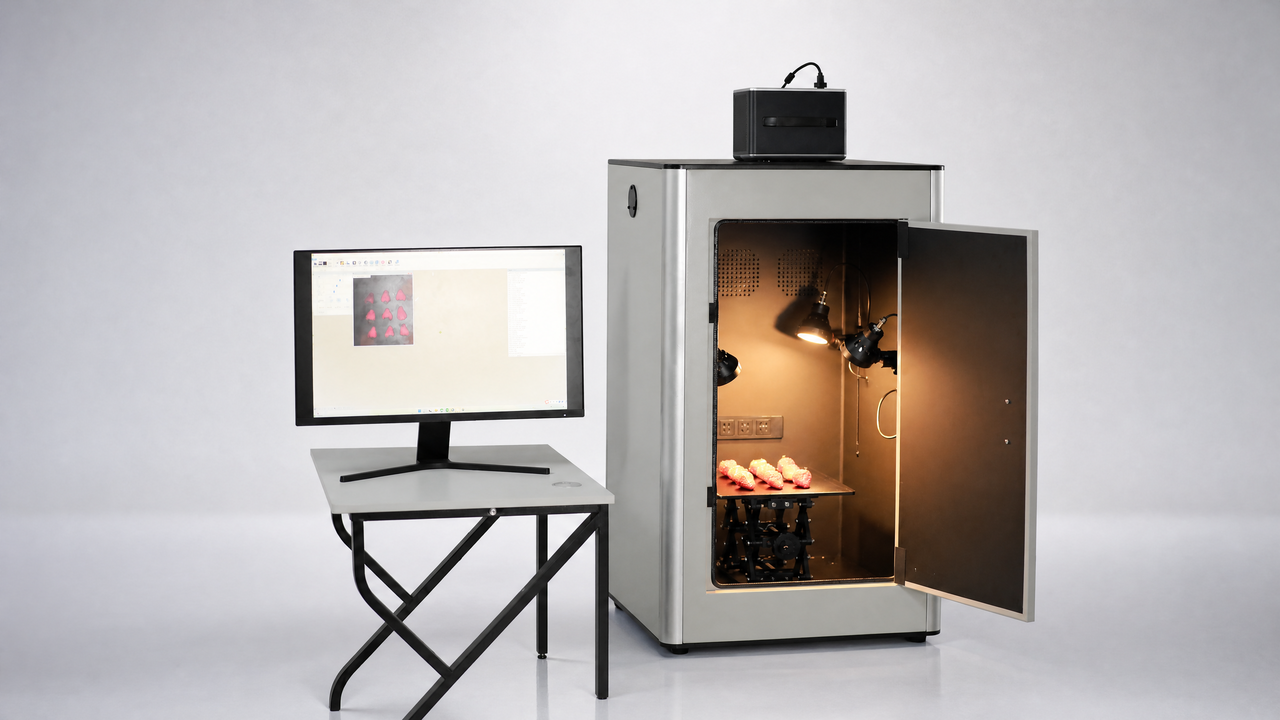
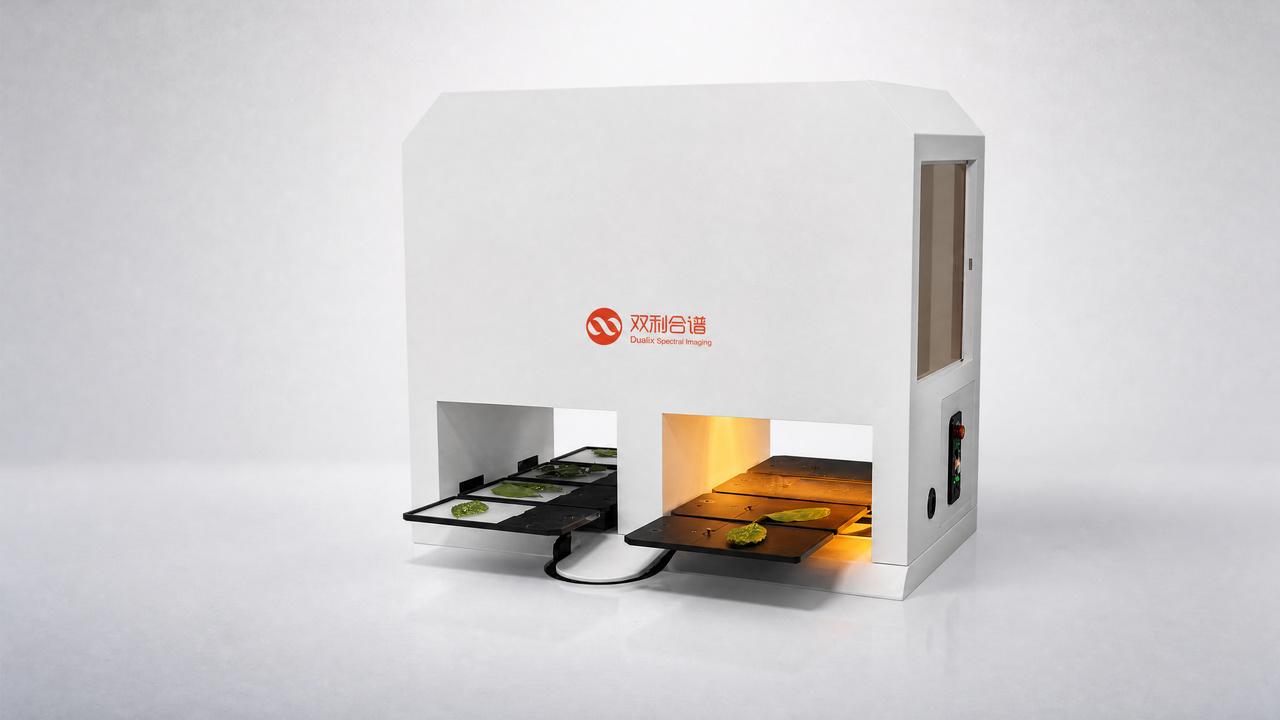
设备:GaiaField
Prediction of Tea Polyphenols, Free Amino Acids and Caffeine Content in Tea Leaves during Wilting and Fermentation Using Hyperspectral Imaging
Abstract:The withering and fermentation degrees are the key parameters to measure the processing technology of black tea. The traditional methods to judge the degree of withering and fermentation are time-consuming and inefficient. Here, a monitoring model of the biochemical components of tea leaves based on hyperspectral imaging technology was established to quantitatively judge the withering and fermentation degrees of fresh tea leaves. Hyperspectral imaging technology was used to obtain the spectral data during the withering and fermentation of the raw materials. The successive projections algorithm (SPA), competitive adaptive reweighted sampling (CARS), and uninformative variable elimination (UVE) are used to select the characteristic bands. Combined with the support vector machine (SVM), random forest (RF), and partial least square (PLS) methods, the monitoring models of the tea polyphenols (TPs), free amino acids (FAA) and caffeine (CAF) contents were estab lished. The results show that: (1) CARS performs the best among the three feature band selection methods, and PLS performs the best among the three machine learning models; (2) the optimal models for predicting the content of the TPs, FAA, and CAF are CARS-PLS, SPA-PLS, and CARS-PLS, respectively, and the coefficient of determination of the prediction set is 0.91, 0.88, and 0.81, respec tively; and (3) the best models for quantitatively judging the withering and fermentation degrees are FAA-SPA-PLS and TPs-CARS-PLS, respectively. The model proposed in this study can improve the monitoring efficiency of the biochemical components of tea leaves and provide a basis for the intelli gent judgment of the withering and fermentation degrees in the process of black tea processing.
Keywords:tea plant; hyperspectral imaging; machine learning; withering degree; fermentation degree; quality composition