








返回列表
NIRH 高光谱成像技术结合多变量方法鉴别虾的新鲜度
食品检测
2026/09/21
摘要:本研究采用866.4–1701.0 nm的高光谱成像系统,结合多种光谱处理方法对虾的新鲜度进行鉴别。为获得最优模型 组合,实验研究采用了3种预处理方法((Savitzky-Golay一阶导数((SG1)、多元散射校正((MSC)和标准正态变量((SNV))、 3种特征波长提取算法(( 随机青蛙算法(( RFA)、无信息变量消除(( UVE)和竞争自适应重加权抽样(( CARS))和4种判 别模型(偏最小二乘判别分析(PLS-DA)、最小二乘支持向量机(LSSVM)、随机森林(RF)和极限学习机(ELM))。 首先,由于是全波长建模分析,因此采用3种预处理方法对原始光谱数据进行预处理。分析表明,在4种判别模型中,SNV 方法处理的光谱数据的性能最好。其次,基于特征波长建模分析,采用3种特征波长提取算法对SNV处理后的光谱数据进 行特征波长提取,发现在3种特征波长提取算法中,CARS算法的性能最好,而ELM模型与不同的特征波长提取算法相结合 的效果最好,因此,基于 SNV-CARS-ELM 的模型性能最好,被选为最优模型。最后,为了准确、明确地显示对虾的冷藏天数, 将对虾原始高光谱图像代入 SNV-CARS-ELM 模型,得到总体分类准确率为 97.92%,并采用 object-wise 方法对分类结果进 行可视化。结果表明,本研究提出的方法可以有效地检测对虾的新鲜度。
关键词:高光谱成像;对虾新鲜度;标准正态变量;竞争性自适应加权抽样;极限学习机;面向对象
期刊:Applied Sciences
DOI:10.3390/app10165498
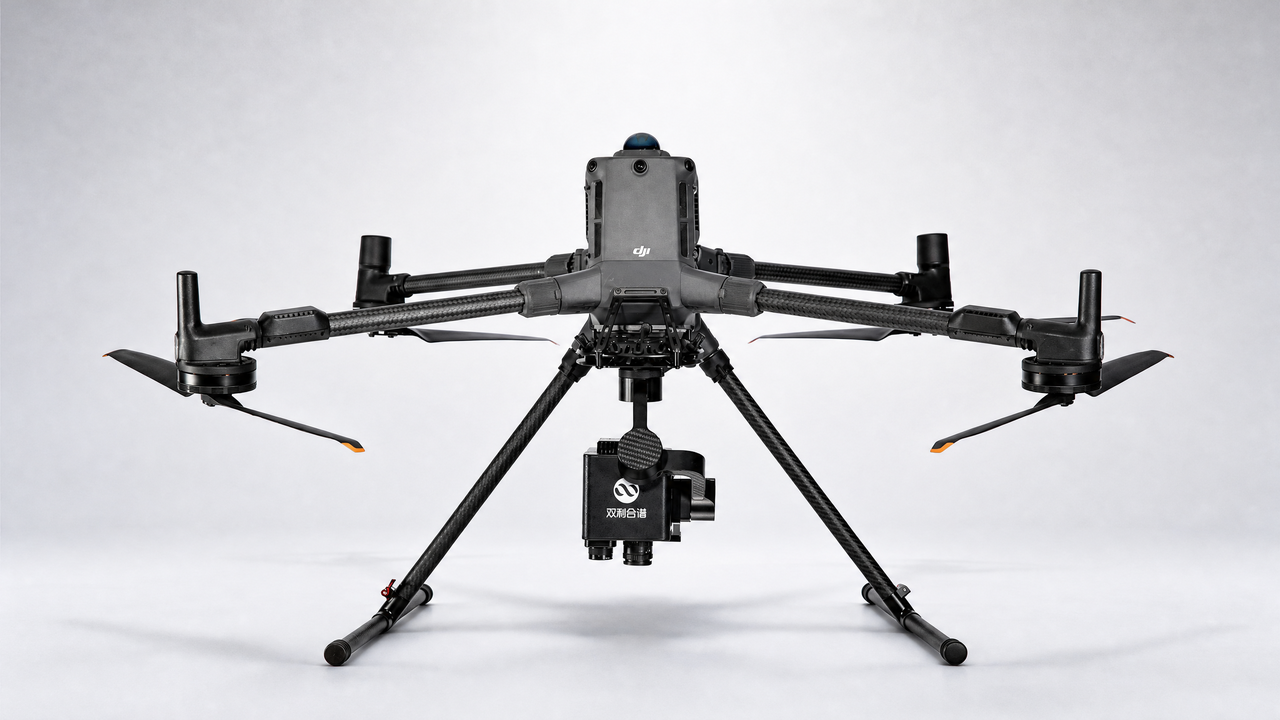
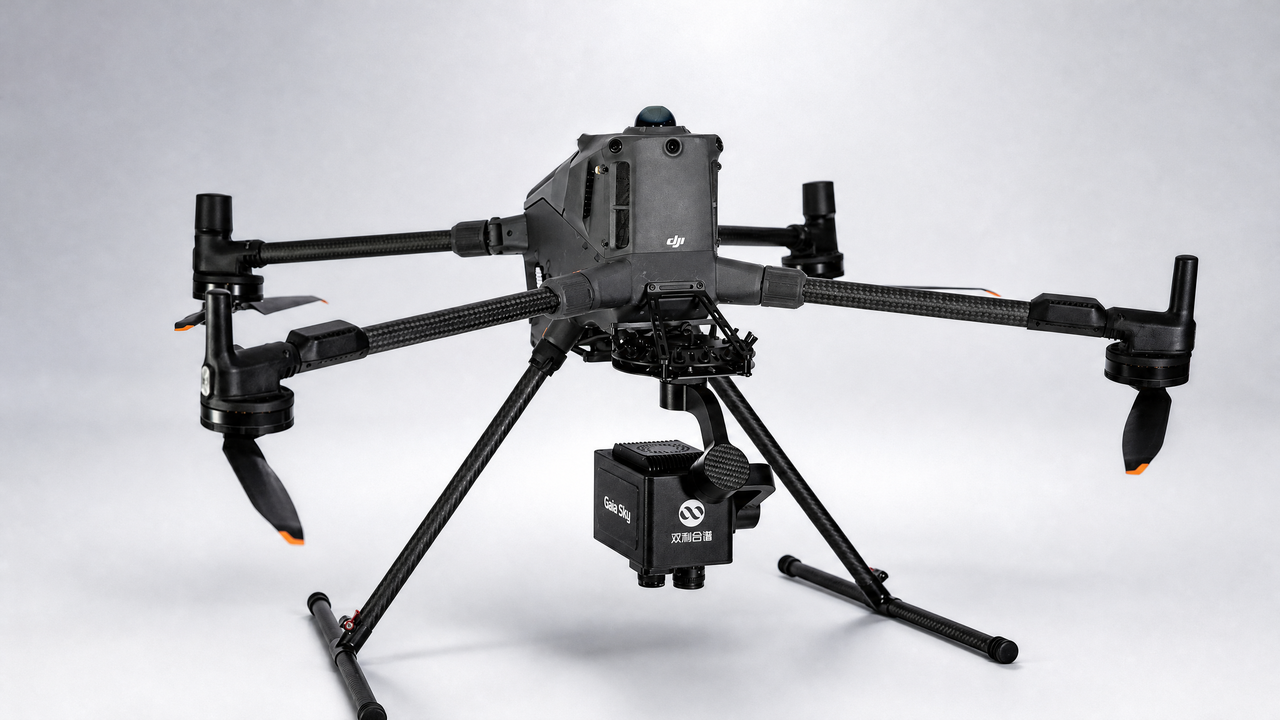
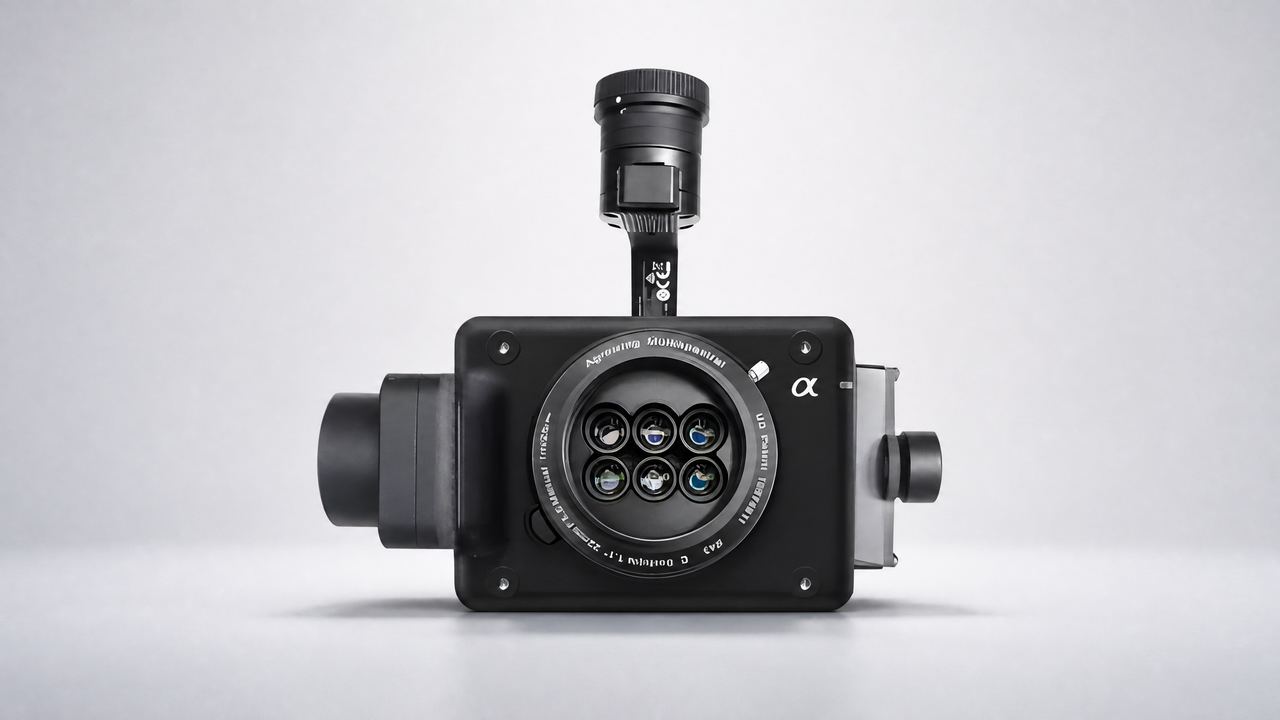
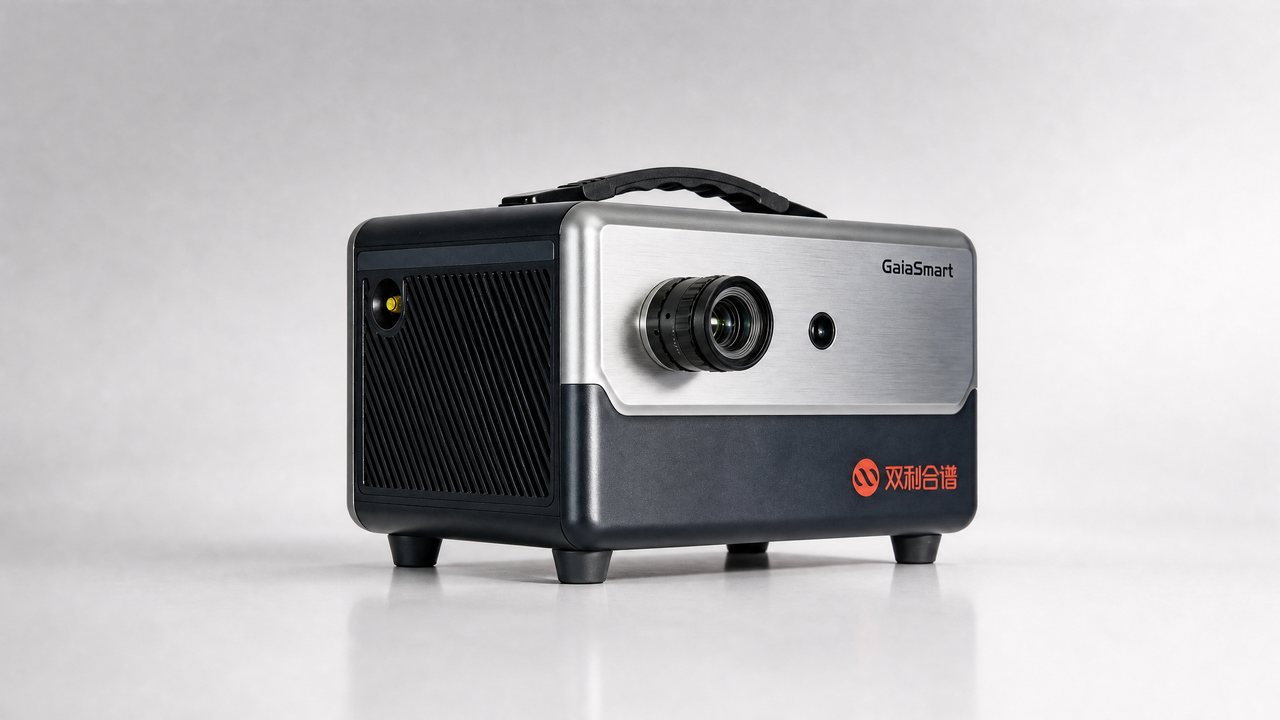
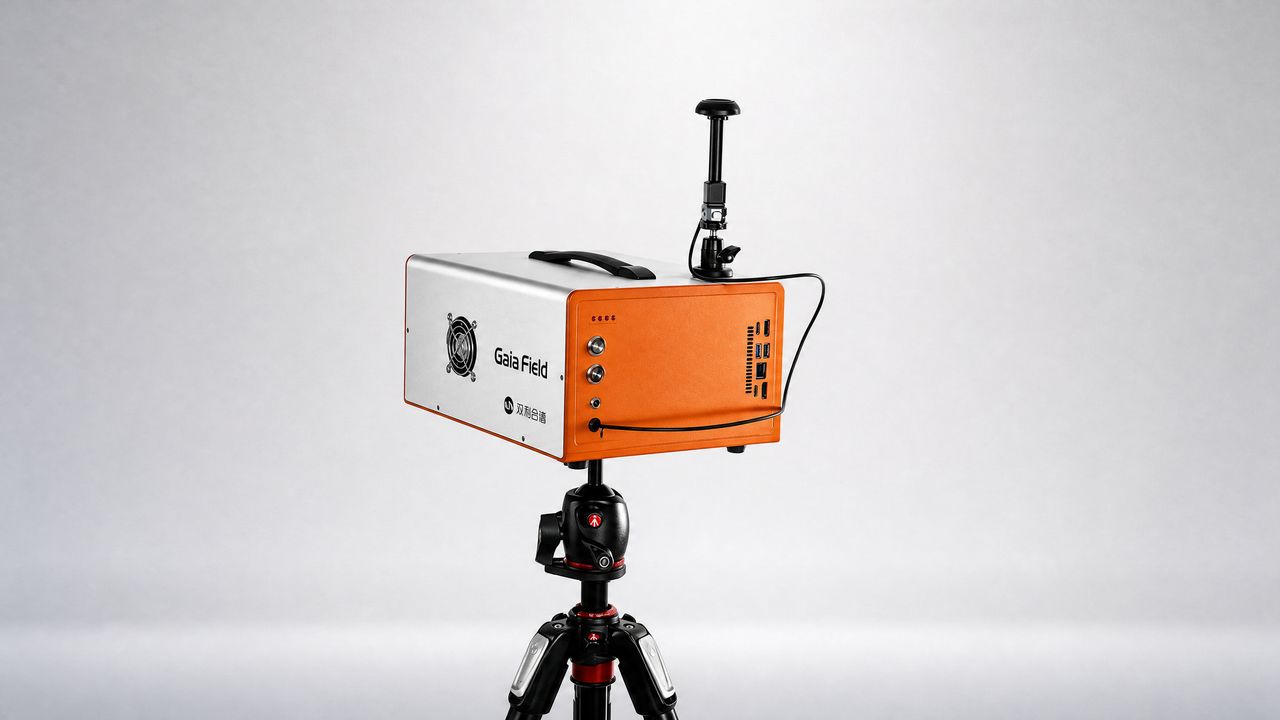
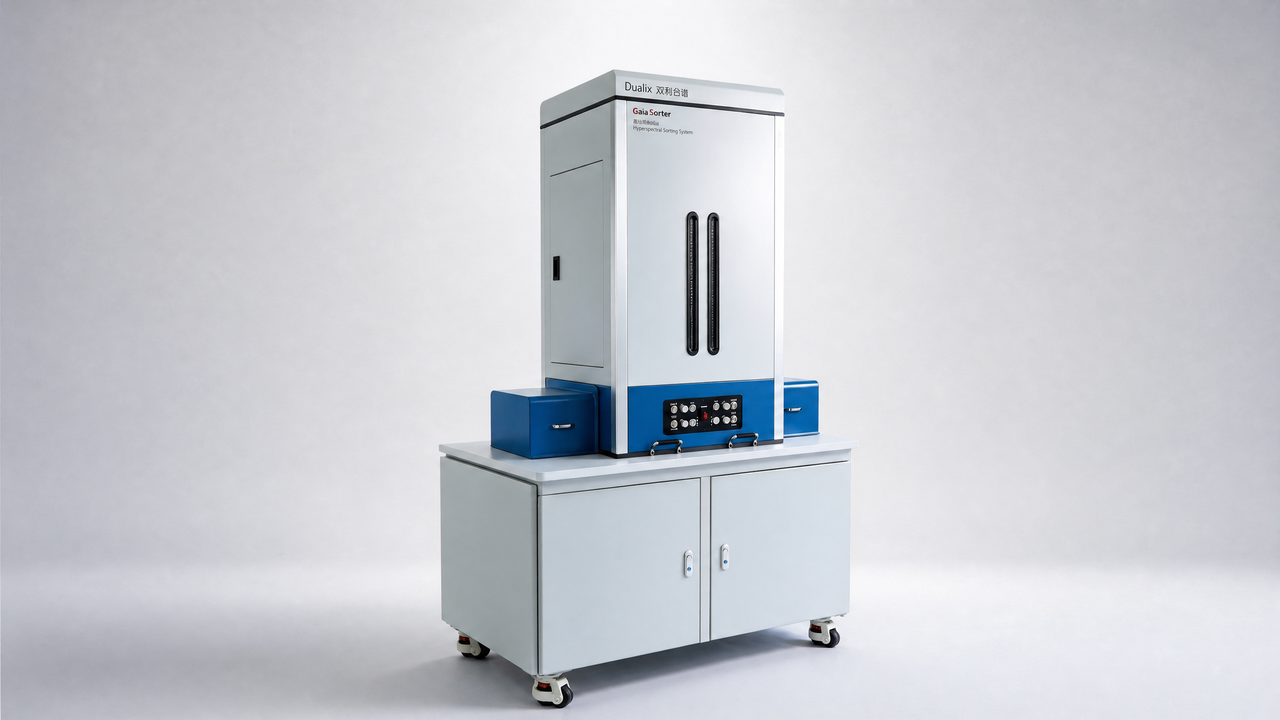
设备:GaiaSorter
NIRHyperspectral Imaging Technology Combined with Multivariate Methods to Identify Shrimp Freshness
Abstract:In this study, a hyperspectral imaging system of 866.4–1701.0 nm, combined with a variety of spectral processing methods were adopted to identify shrimp freshness. To gain the optimal model combination, three preprocessing methods (Savitzky- Golay first derivative (SG1), multivariate scatter correction (MSC), and standard normal variate (SNV)), three characteristic wavelength extraction algorithms (random frog algorithm (RFA), uninformative variables elimination (UVE), and competitive adaptive reweighted sampling (CARS)), and four discriminant models (partial least squares discrimination analysis (PLS-DA), least squares support vector machine (LSSVM), random forest (RF), and extreme learning machine (ELM)) were employed for experimental study. First of all, duetothefullwavelengthmodelinganalysis, threepreprocessingmethodswereutilizedtopreprocess the original spectral data. The analysis showed that the spectral data processed by the SNV method had the best performance among the four discriminant models. Secondly, due to the characteristic wavelength modeling analysis, three characteristic wavelength extraction algorithms were utilized to extract the characteristic wavelength of the SNV-processed spectral data. It was found that the CARSalgorithm achieved the best performance among the three characteristic wavelength extraction algorithms, and the combining adoption of the ELM model and di erent characteristic wavelength extraction algorithms obtained the best results. Therefore, the model based on SNV-CARS-ELM obtained the best performance and was elected as the optimal model. Lastly, for accurately and explicitly displaying the refrigeration days of shrimps, the original hyperspectral images of shrimps were substituted into the SNV-CARS-ELM model, thus obtaining the general classification accuracy of 97.92%, and the object-wise method was used to visualize the classification results. As a result, the method proposed in this study can e ectively detect the freshness of shrimps.
Keywords:hyperspectral imaging; shrimp freshness; standard normal variate; competitive adaptive reweighted sampling; extreme learning machine; object-wise