









返回列表
高光谱图像在烤烟鲜叶成熟度分类中的应用
食品检测
2026/09/21
摘要:烟叶的成熟度直接影响其烘烤质量,但目前尚无有效的方法在生产过程中确定其成熟度。长期以来,烤烟成熟度 的评估主要依赖于生产经验,结果存在较大差异。本研究利用高光谱成像结合一种新算法,建立了一种能够准确判定烟 叶成熟度的分类模型。首先,采集不同成熟度等级(( 未熟、欠熟、成熟、过熟)的烟叶,利用ENVI软件去除高光谱成像 ((HSI)背景,使用Python 3.7获得11组滤波后的图像。最后,建立基于全波段的偏最小二乘判别分析(PLS-DA)分类 模型来识别烟叶的成熟度。在校正集中,原始光谱的模型精度为88.57%,去趋势、多重散射校正(( MSC)和标准归一化 变量(( SNV)处理的模型精度分别为91.89%、95.27%和92.57%。在预测集中,去趋势、MSC和SNV处理的模型精度分 别为93.85%、96.92%和93.85%。实验结果表明,滤波后图像的模型精度高于原始光谱。由于去趋势、MSC和SNV处理 精度较高,因此选取去趋势、MSC和SNV处理作为候选特征光谱带,并以连续投影算法(SPA)、竞争自适应重加权采 样(( CASR)和粒子群优化(( PSO)作为筛选方法。最后,建立了遗传算法(( GA)、PLS-DA、线性支持向量机(( LSVM) 和反向传播神经网络(BPNN)分类判别模型。SNV-SPA-PLS-DA 组合模型在校准集和预测集中的准确率最高(分别为 99.32%和98.46%)。研究结果强调了使用可见/近红外(( ViS/NIR)高光谱成像检测烟叶成熟度的有效性,为提高烟草产量 提供了理论依据。
关键词:烤烟叶;高光谱图像;成熟度;特征光谱带;分类
期刊:Processes
DOI:https://DOI.org/10.3390/pr11041249 扫码查看更多文章详情及产品信息
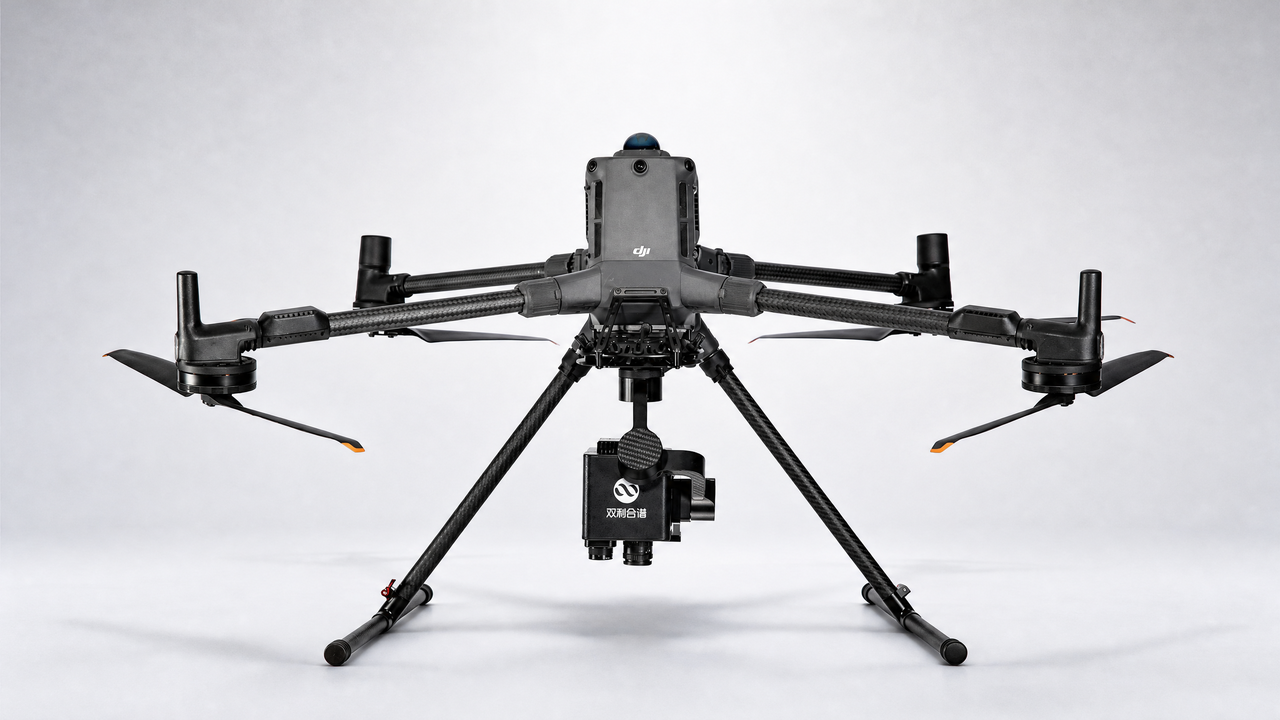
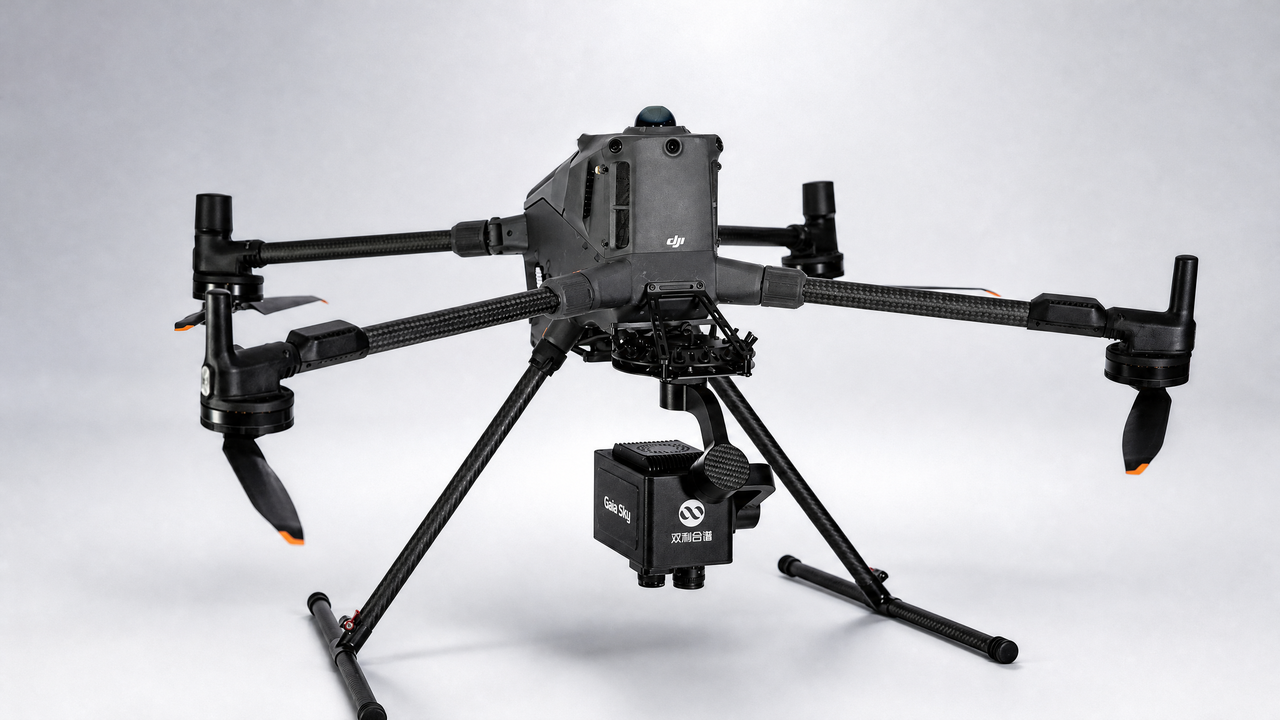
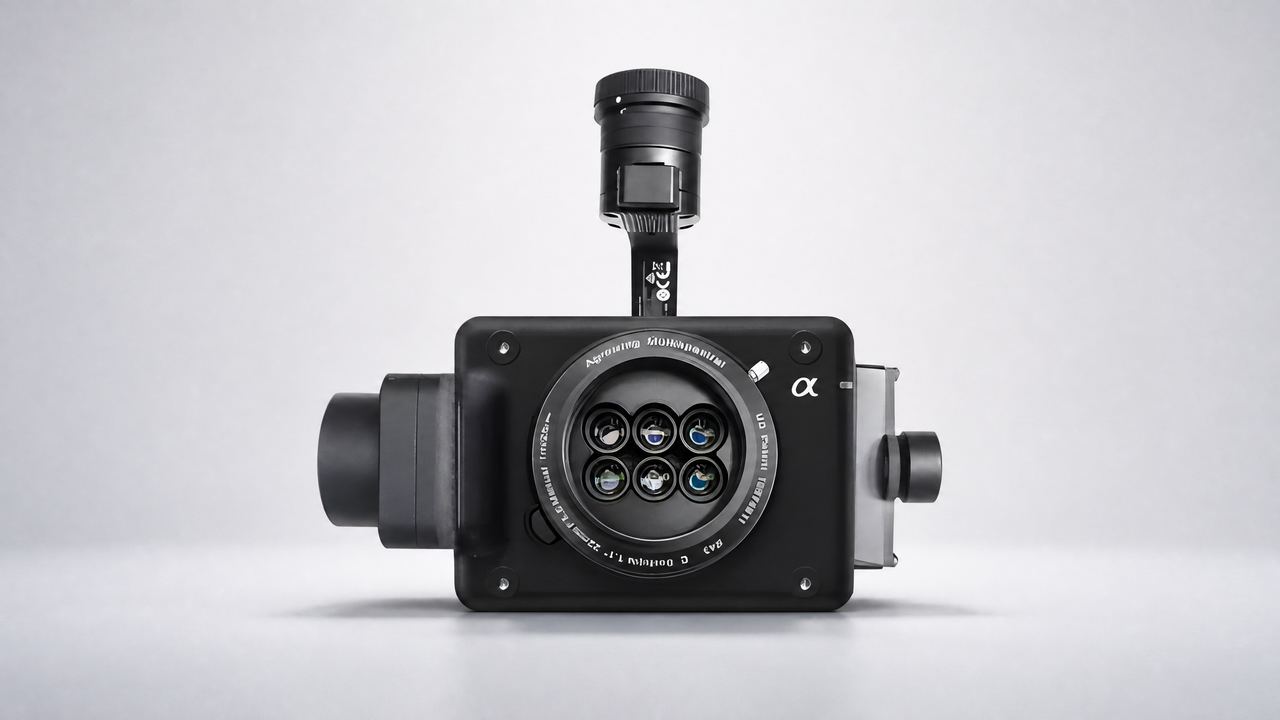
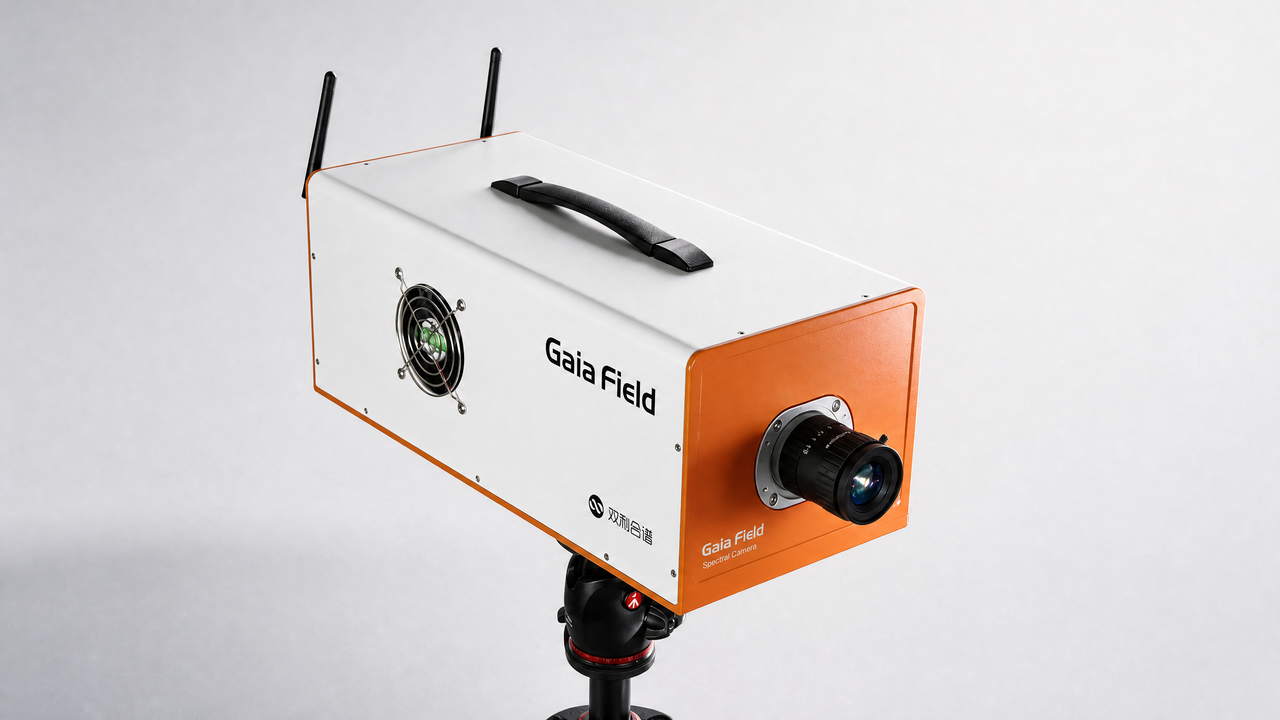
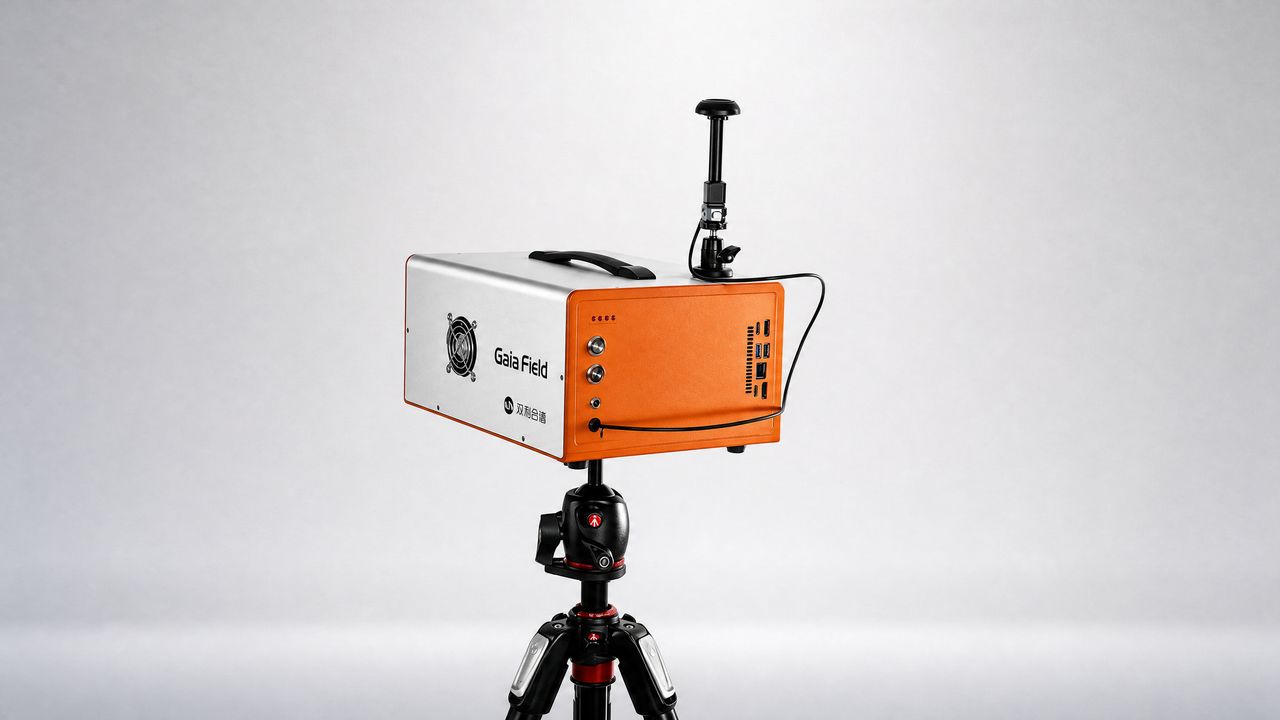
设备:GaiaField
The Application of Hyperspectral Images in the Classification of Fresh Leaves’ Maturity for Flue-Curing Tobacco
Abstract:The maturity of tobacco leaves directly affects their curing quality. However, no effective method has been developed for determining their maturity during production. Assessment of tobacco maturity for flue curing has long depended on production experience, leading to considerable variation. In this study, hyperspectral imaging combined with a novel algorithm was used to develop a classification model that could accurately determine the maturity of tobacco leaves. First, tobacco leaves of different maturity levels (unripe, under-ripe, ripe, and over-ripe) were collected. ENVI software was used to remove the hyperspectral imaging (HSI) background, and 11 groups of filtered images were obtained using Python 3.7. Finally, a full-band-based partial least-squares discriminant analysis (PLS-DA) classification model was established to identify the maturity of the tobacco leaves. In the calibration set, the model accuracy of the original spectrum was 88.57%, and the accuracy of the de-trending, multiple scattering correction (MSC), and standard normalization variable (SNV) treatments was 91.89%, 95.27%, and 92.57%, respectively. In the prediction set, the model accuracy of the de-trending, MSC, and SNV treatments was 93.85%, 96.92%, and 93.85%, respectively. The experimental results indicate that a higher model accuracy was obtained with the filtered images than with the original spectrum. Because of the higher accuracy, de-trending, MSC, and SNV treatments were selected as the candidate characteristic spectral bands, and a successive projection algorithm (SPA), competitive adaptive reweighted sampling (CASR), and particle swarm optimization (PSO) were used as the screening methods. Finally, a genetic algorithm (GA), PLS-DA, line support vector machine (LSVM), and back-propagation neural network (BPNN) classification and discrimination models were established. The combination SNV-SPA-PLS-DA model provided the best accuracy in the calibration and prediction sets (99.32% and 98.46%, respectively). Our findings highlight the efficacy of using visible/near-infrared (ViS/NIR) hyperspectral imaging for detecting the maturity of tobacco leaves, providing a theoretical basis for improving tobacco production.
Keywords:flue-cured tobacco leaves; hyperspectral image; maturity; characteristic spectral bands; classification