












返回列表
基于无人机高光谱图像的松树枯萎病检测 GA 和 SVM 分类模型
遥感应用
2026/09/21
摘要:松材线虫(Bursaphelenchus xylophilus)引起的松材枯萎病(PWD)是全球性的森林破坏性威胁,在世界范围内造成了严 重的经济损失。因此,有必要建立一种可行有效的方法来准确监测和估计PWD感染情况。在这项研究中,我们使用无人 驾驶飞艇收集的高光谱图像(HI)和高光谱成像光谱仪检测PWD在健康、早期、中期和严重感染阶段。为了避免对HI的 全光谱维度进行大量计算,从 HI 中提取了 16 个光谱特征,并采用遗传算法(GA)识别出适应度最小的最优特征。同时, 建立支持向量机(SVM)分类器,预测单株松树的PWD侵染期。结果表明:(1)不同PWD侵染期松树的光谱特征在绿区(510 ~ 580 nm)、红边(680 ~ 760 nm)和近红外(780 ~ 1000 nm)光谱上具有显著性;(2)遗传算法选择的6个最优光谱特征(Dgreen、 SDgreen、Dred、DRE、DNIR、SDNIR)能有效区分松树PWD感染阶段,且计算成本较低;(3)与传统的k近邻分类器(KNN)、 随机森林分类器(RF)和单一支持向量机分类器相比,本文提出的遗传算法和支持向量机分类器总体准确率最高(95.24%), Kappa系数最高(0.9234)。该方法也可用于监测和探测其他森林害虫。
关键词:松材萎蔫病、高光谱图像、遗传算法、支持向量机、分类
期刊:Applied sciences
DOI:https://DOI.org/10.3390/app12136676
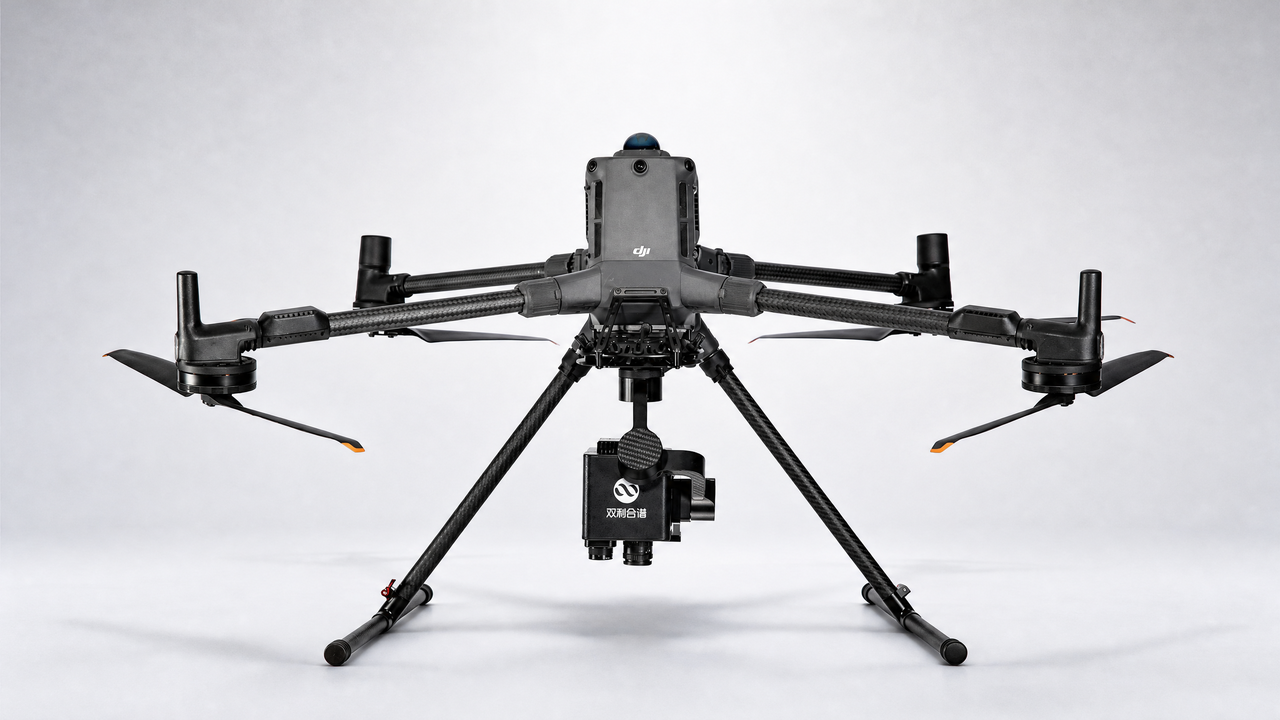
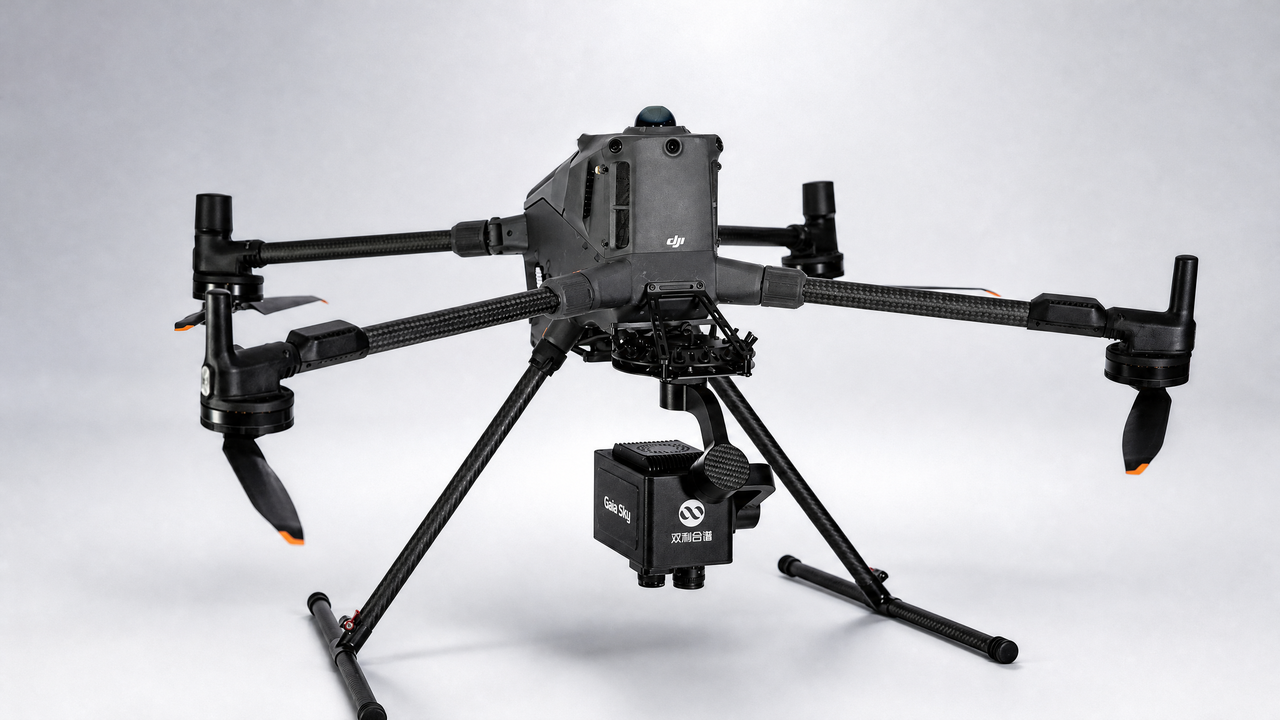
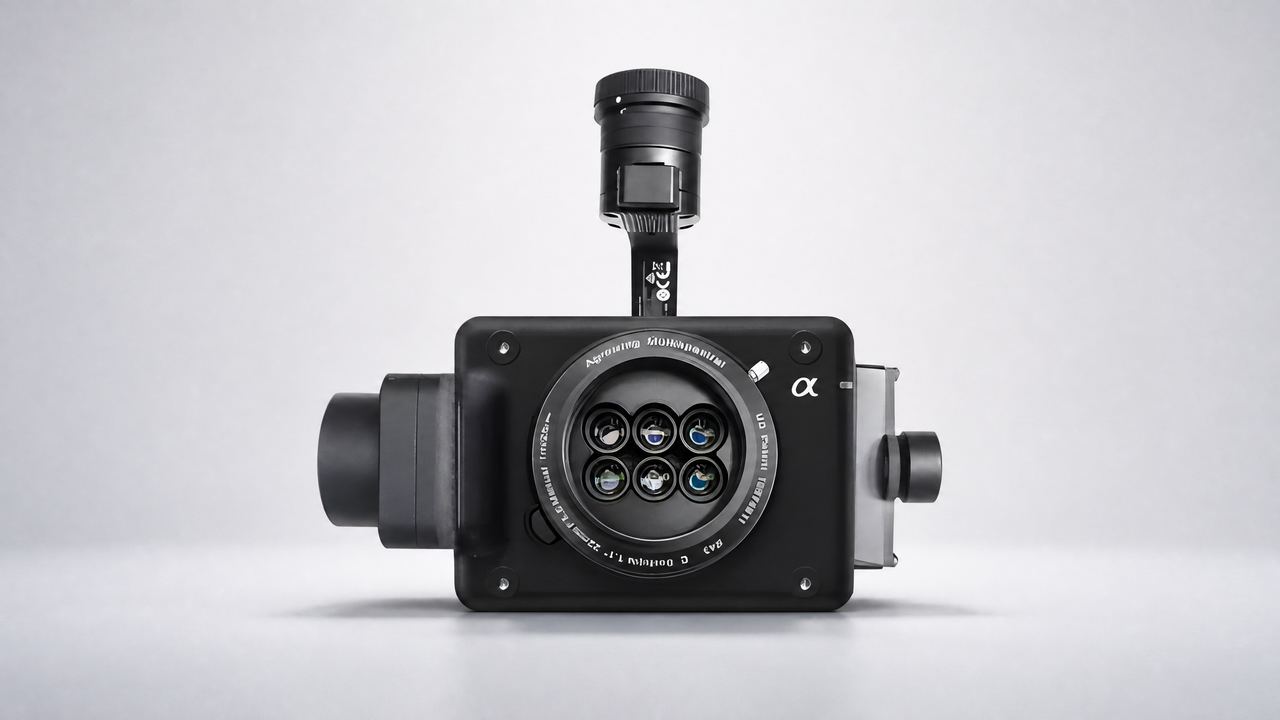
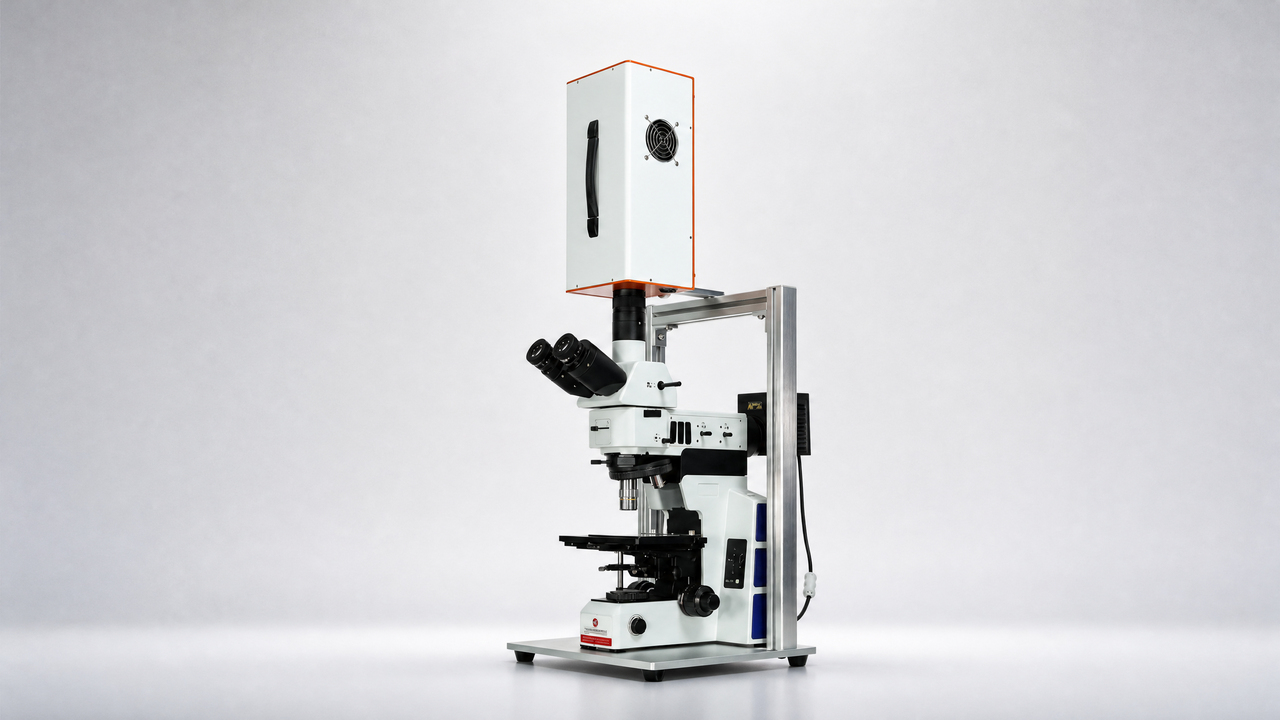
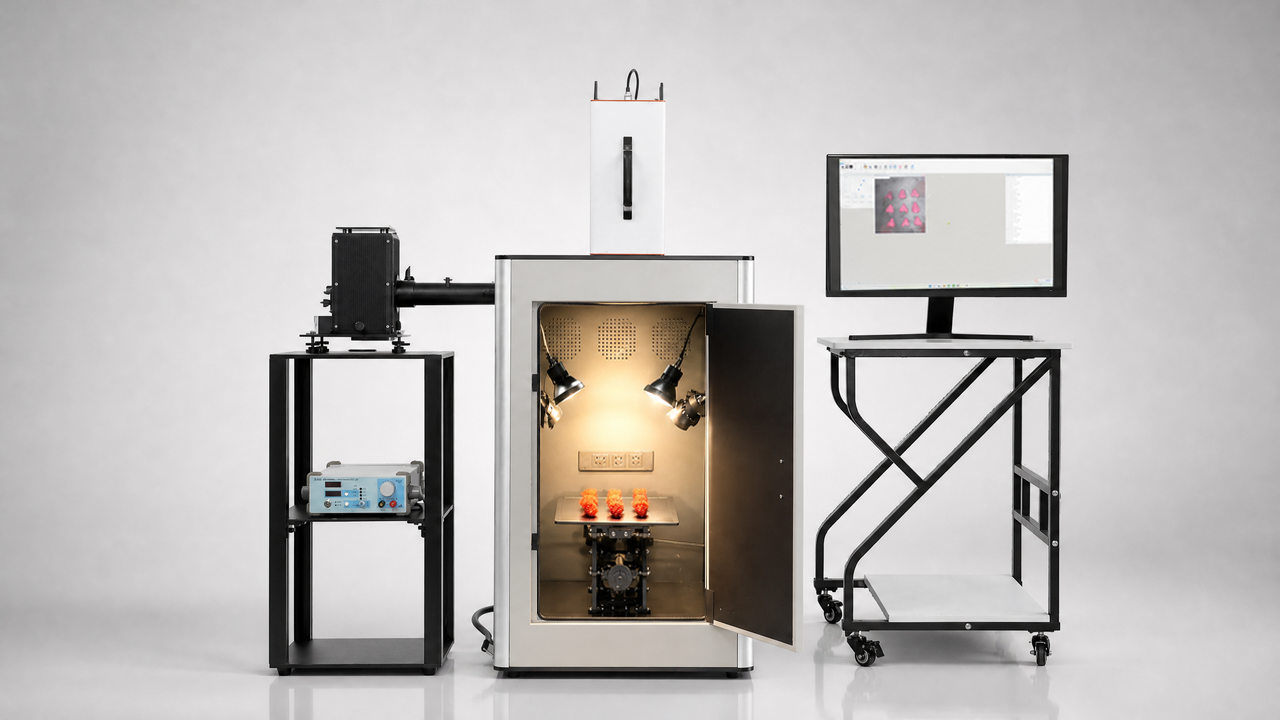
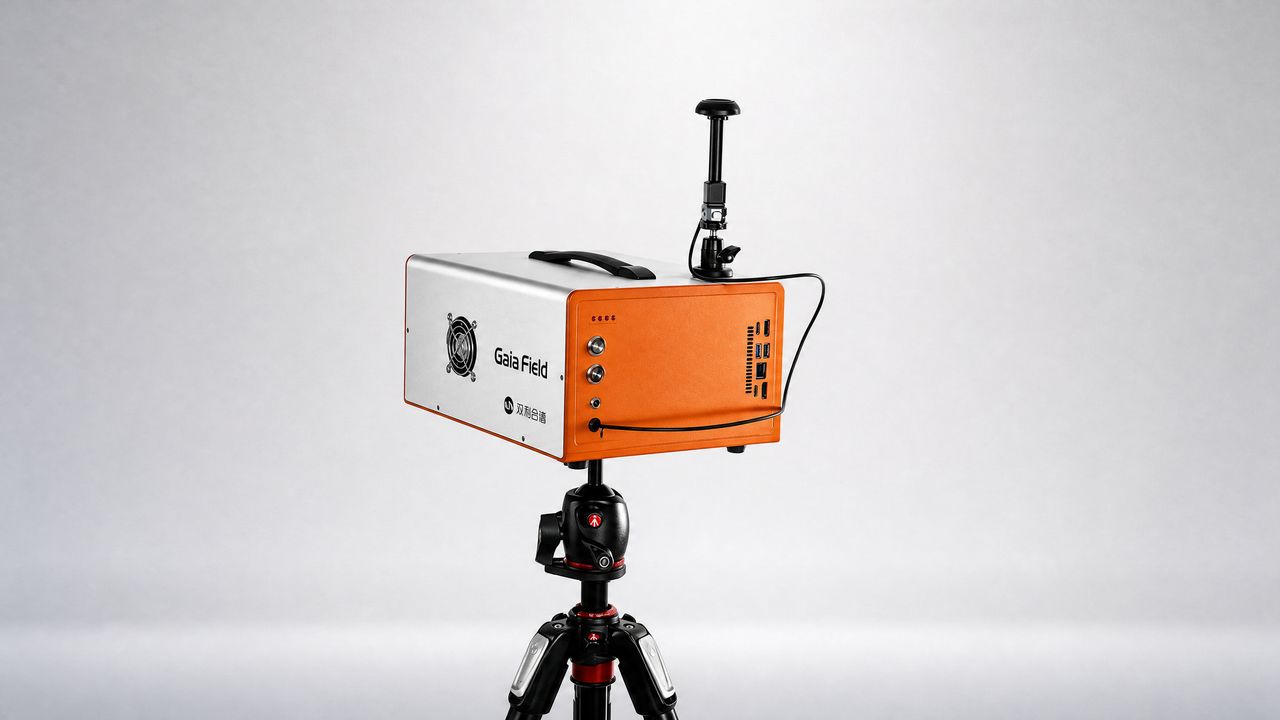
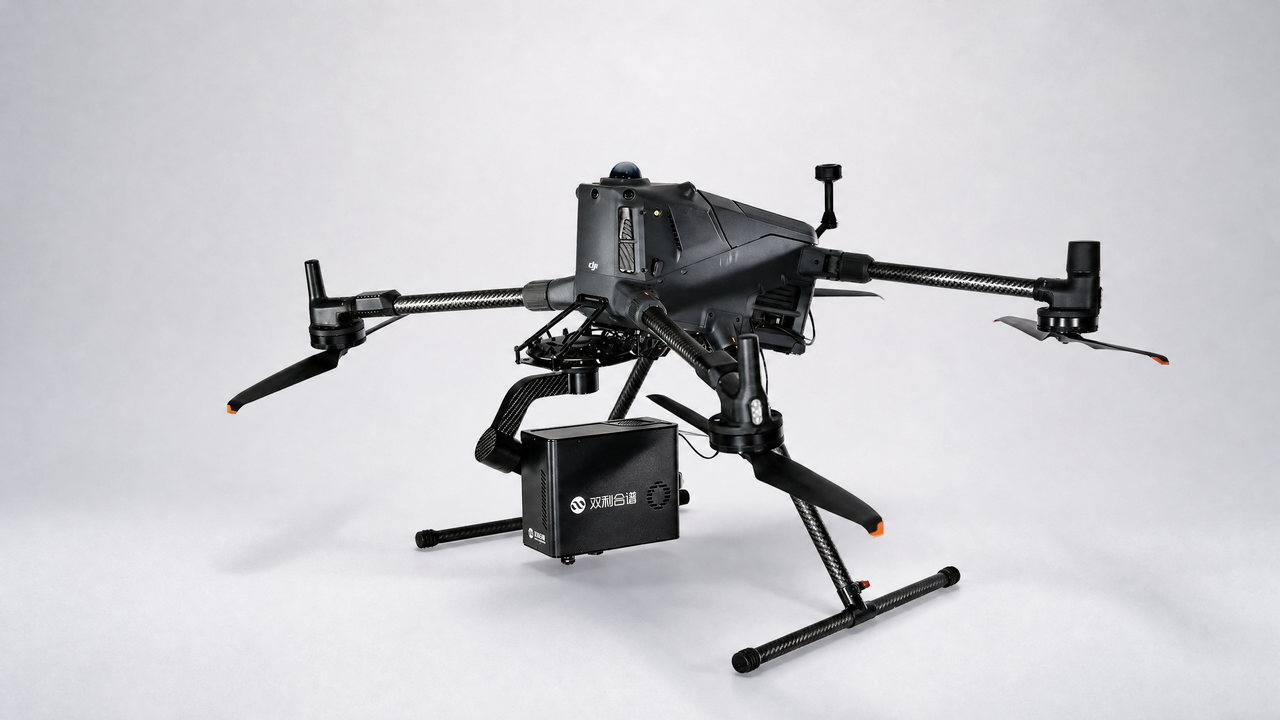
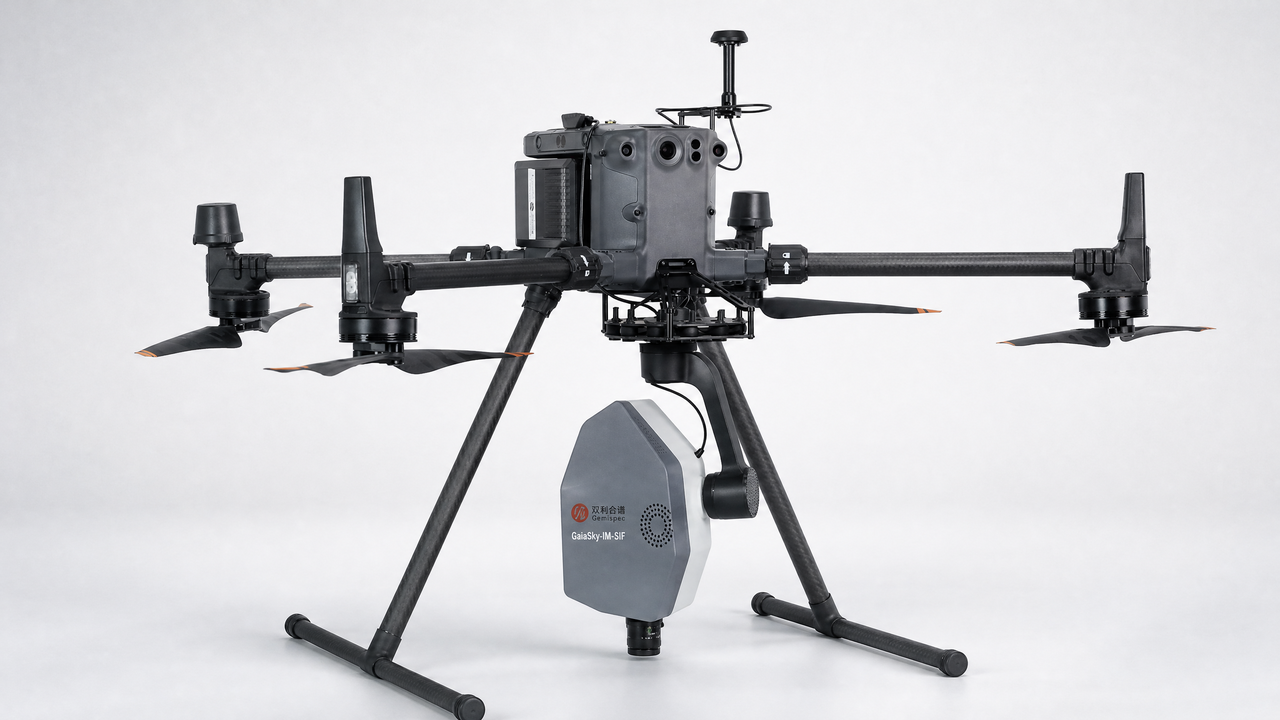
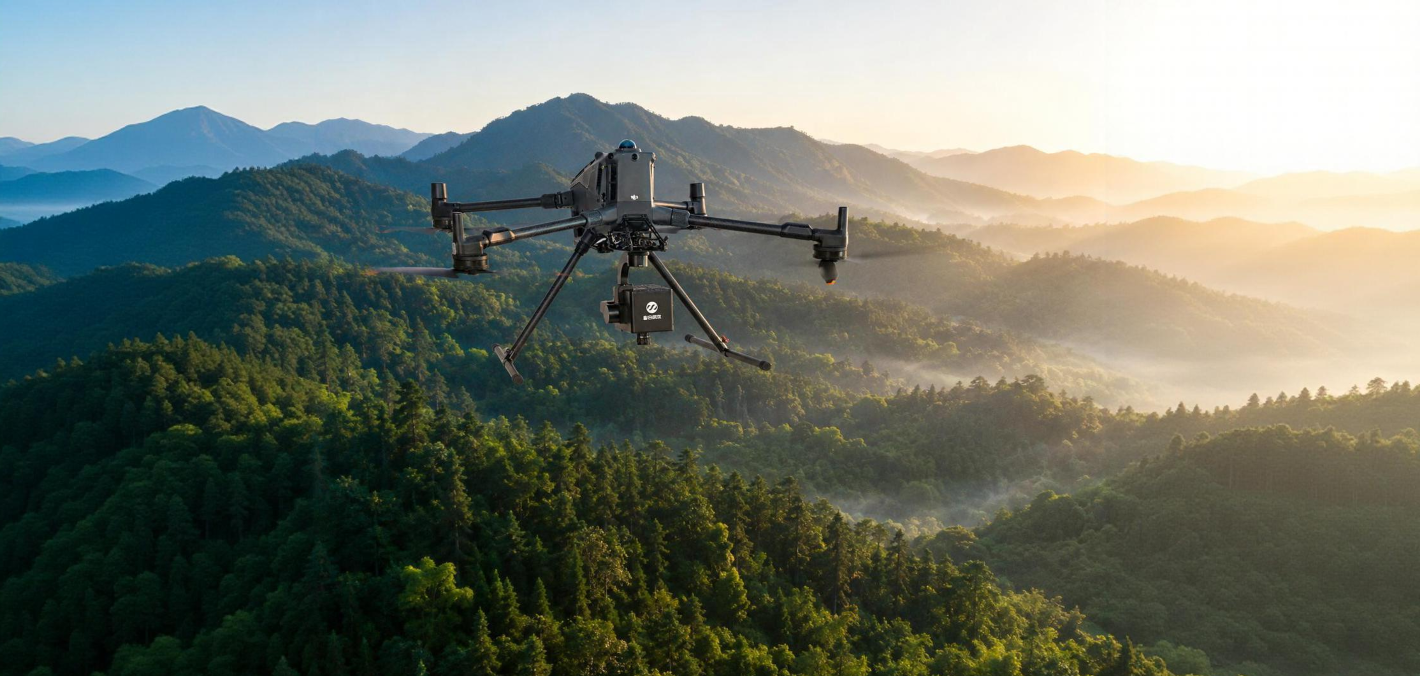
设备:GaiaSky
A GA and SVM Classification Model for Pine Wilt Disease Detection Using UAV-Based Hyperspectral Imagery
Abstract:Pine wilt disease (PWD), caused by the pine wood nematode (Bursaphelenchus xylophilus), is a global destructive threat to forests and has led to serious economic losses all over the world. Therefore, it is necessary to establish a feasible and effective method to accurately monitor and estimate PWD infection. In this study, we used hyperspectral imagery (HI) collected by an unmanned airship with a hyperspectral imaging spectrometer to detect PWD in healthy, early, middle and serious infection stages. To avoid massive calculations on the full spectral dimensions of the HI, 16 spectral features were extracted from the HI, and a genetic algorithm (GA) was implemented to identify the optimal ones with the least fitness. Simultaneously, a support vector machine (SVM) classifier was established to predict the PWD infection stage for an individual pine tree. The following results were obtained: (1) the spectral characteristics for pine trees in different PWD infection stages were distinctive in the green region (510– 580 nm), red edge (680–760 nm) and near-infrared (780–1000 nm) spectra; (2) the six optimal spectral features (Dgreen, SDgreen, Dred, DRE, DNIR, SDNIR) selected with the GA effectively distinguished the PWD infection stages of pine trees with a lower calculation cost; (3) compared with the traditional classifiers, such as k-nearest neighbor (KNN), random forest (RF) and single SVM, the proposed GA and SVM classifier achieved the highest overall accuracy (95.24%) and Kappa coefficient (0.9234). The approach could also be employed for monitoring and detecting other forest pests.
Keywords:pine wilt disease; hyperspectral imagery; GA; SVM; classification