









返回列表
基于高光谱影像的植被指数:一种新的城市生态研究植被指数
遥感应用
2026/09/21
摘要:准确监测城市植被的数量与质量有助于区域绿化工作,并加深对植被对环境影响的认识。然而,建筑物阴影、合 成材料等因素会极大地妨碍植被估测,此外,植被指数(VI)在高生物量条件下容易很快饱和,使植被质量评估变得复 杂。针对这些问题,提出了一种新的植被指数,即基于高光谱影像的植被指数(( HSVI)。HSVI 的构建分为三个步骤:波 段选择、可饱和波段重构和指数结构重定义。首先,我们选取四个具有代表性的波段,构建增强型植被指数(EVI),以 消除复杂城市地表因素的干扰。其次,我们通过指数函数重构易饱和的波段((760 nm),形成优化的增强型植被指数((OEVI)。 最后,重新定义指数结构,在OEVI中添加红边(( 689nm)和绿边(( 520nm)波段之和的分母,进一步增强植被的光谱信 息,消除植被指数典型的饱和问题。使用三组具有不同地貌特征的数据集((上海戏剧学院、大竹山和休斯顿大学),将HSVI 与城市生态研究中广泛采用的六种植被指数(( 即差异植被指数(( DVI)、归一化差异植被指数(( NDVI)、简单比值(( SR)、 优化土壤调整植被指数(( OSVAI)、改进的变换植被指数(( MTVI2)和宽动态范围植被指数(( WDRVI))进行比较。结果 表明,HSVI的植被提取精度超过90%,明显高于其他VI。此外,HSVI还解决了VI的饱和问题。因此,HSVI在城市 生态研究应用中显示出很高的潜在用途。
关键词:城市生态、城市绿地、植被指数、高光谱遥感、NDVI
期刊:International Geoscience and Remote Sensing Symposium IGARSS
DOI:10.1109/IGARSS47720.2021.9554921
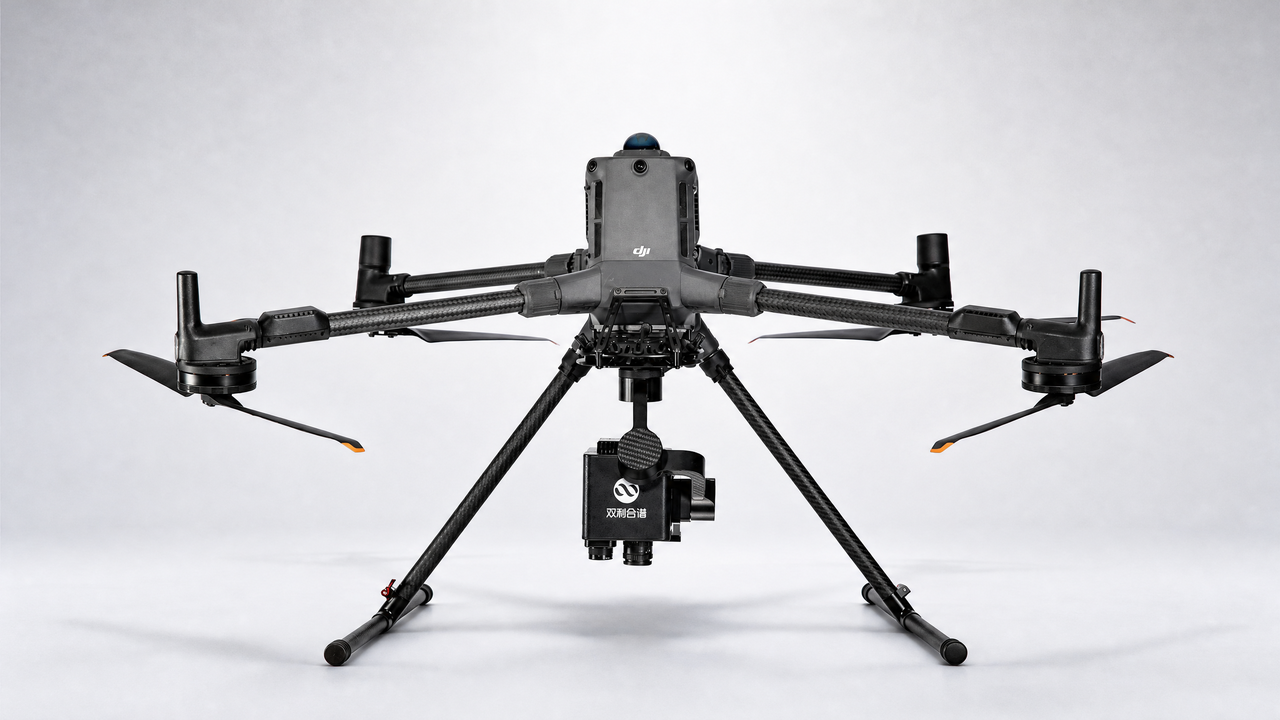
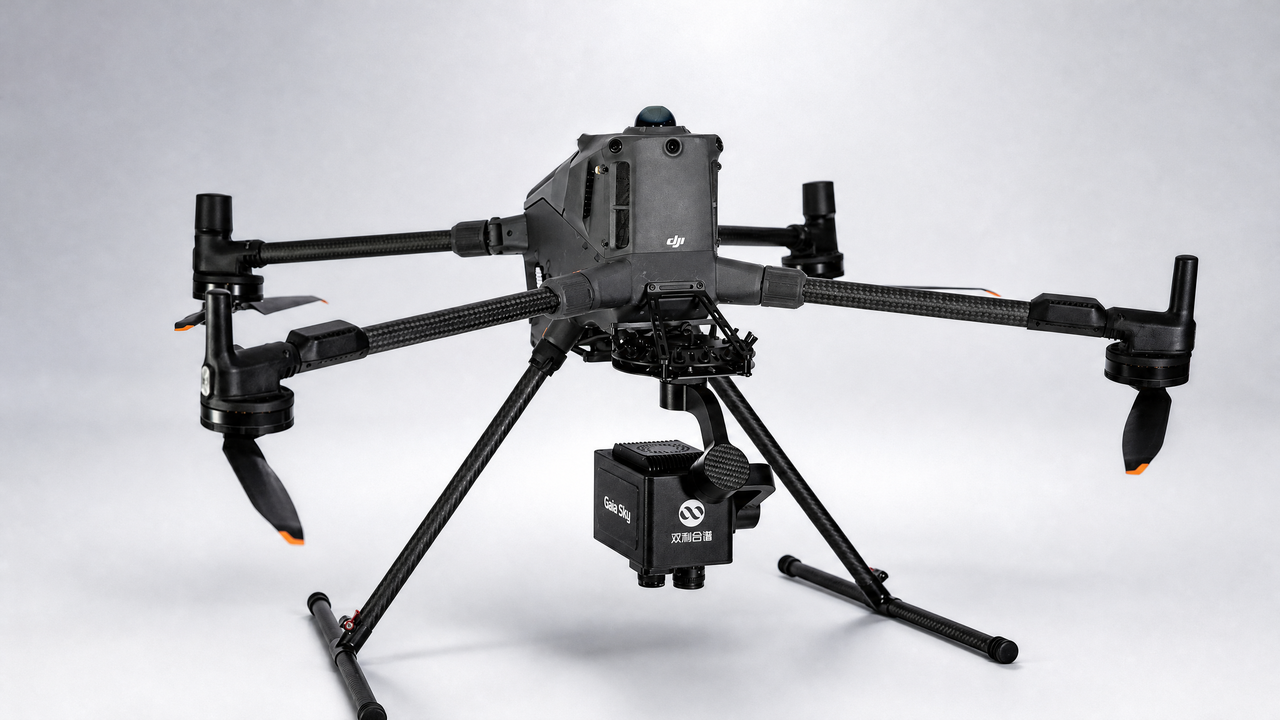
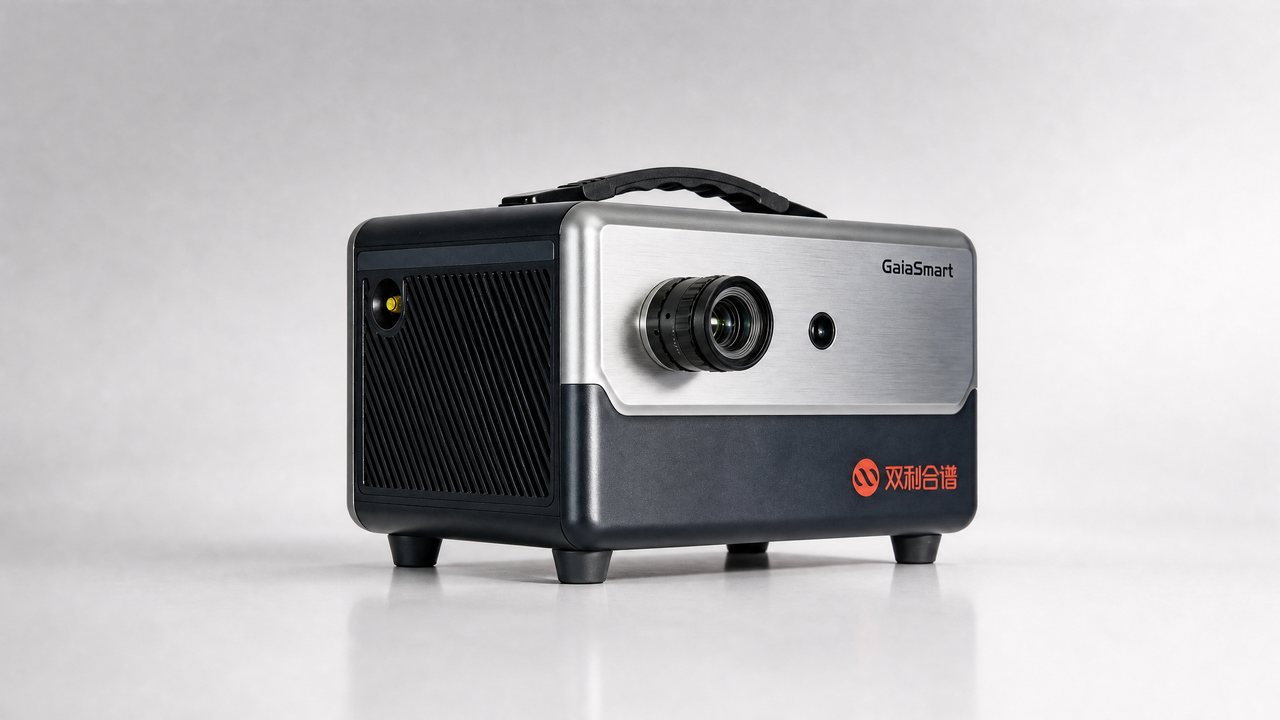
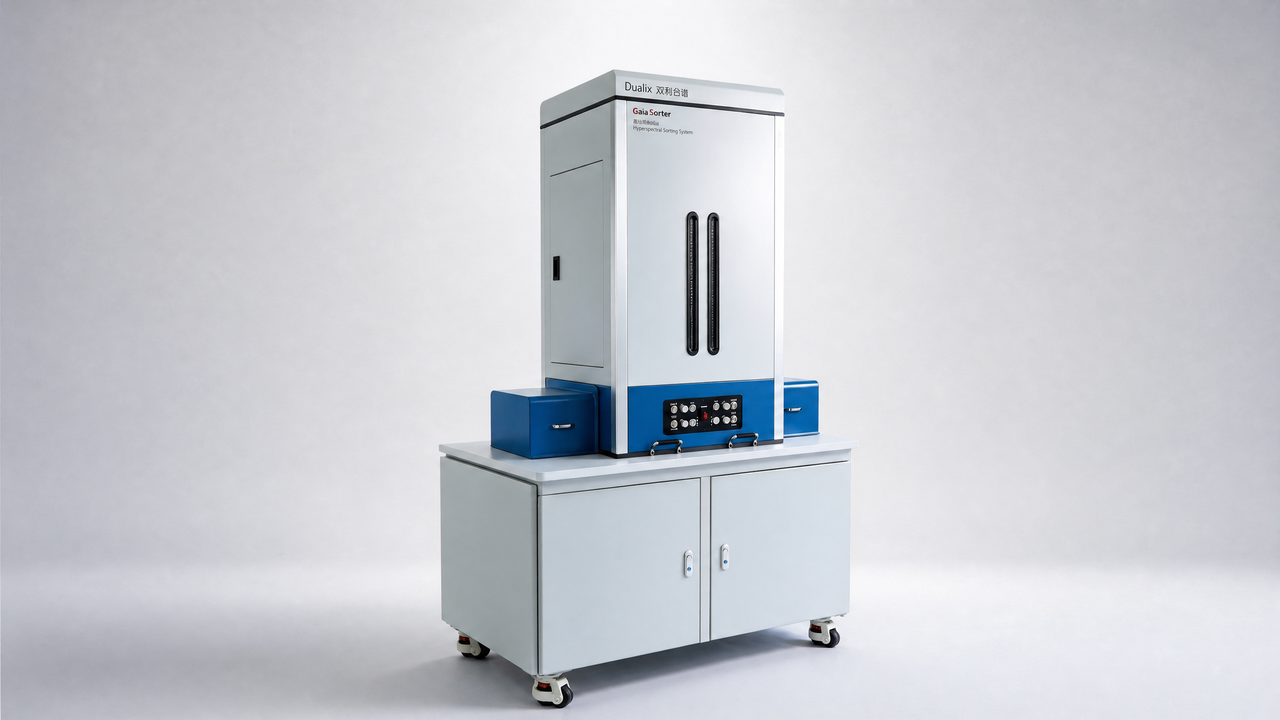
设备:GaiaSorter
Hyperspectral image-based vegetation index (HSVI): A new vegetation index for urban ecological research
Abstract:Accurately monitoring the quantity and quality of urban vegetation contributes to regional greening efforts and improves the understanding of vegetation’s impact on the environment. However, factors such as building shadows and synthetic materials can greatly obstruct vegetation estimates. Additionally, vegetation indices (VIs) saturate quickly in high biomass conditions, complicating vegetation quality assessments. To address these issues, we propose a new vegetation index, namely the hyperspectral image-based vegetation index (HSVI). HSVI is built in three steps: band selection, saturable band reconstruction, and index structure redefinition. Firstly, we select four representative bands and construct an enhanced vegetation index (EVI) to eliminate the interference of complex urban surface factors. Secondly, we reconstruct the easily saturable band (760 nm) through an exponential function to form an optimized enhanced vegetation index (OEVI). Finally, the index structure is redefined by adding the denominator of the sum of the red edge (689 nm) and green (520 nm) bands to OEVI to further enhance the spectral information of vegetation and eliminate the saturation problem typical of VIs. Three datasets with different geomorphological features (Shanghai Theatre Academy, Dazhu Mountain, and the University of Houston) are used to compare the performance of HSVI with six VIs widely adopted in urban ecological research, i.e., the difference vegetation index (DVI), the normalized difference vegetation index (NDVI), the simple ratio (SR), the optimized soil-adjusted vegetation index (OSVAI), the modified transformed vegetation index (MTVI2) and the wide-dynamic-range vegetation index (WDRVI). The results show that the vegetation extraction accuracy of HSVI is more than 90%, which is significantly higher than those of the other VIs. Additionally, HSVI also solves the VIs saturation issue. Therefore, HSVI shows high potential usefulness for urban ecological research applications.
Keywords:Urban ecology Urban green space Vegetation index Hyperspectral remote sensing NDVI