













返回列表
通过高光谱成像和变压器对肾小球疾病进行准确分类
医学检测
2026/09/21
摘要:在肾脏疾病研究中,准确的肾小球疾病诊断对于治疗和预后至关重要。目前,这种方法依赖于侵入性活检,具有 风险和病理学家依赖性差异,从而产生不一致的结果。迫切需要创新的诊断工具来增强传统方法,简化流程并确保准确 和一致的疾病检测。方法:在本研究中,我们提出了一种创新的卷积神经网络-视觉变压器(( CVT)模型,利用变压器技 术通过融合光谱和空间数据来细化肾小球疾病诊断,超越传统诊断的局限性。使用间隔采样,预处理和波长优化,我们 还引入了Gramian角场(GAF)方法来统一表示光谱和空间特征。结果:我们捕获了从385.18 nm到1009.47 nm的高光 谱图像,并采用各种方法提取样本特征。初始模型仅基于光谱特征的准确率为 85.24 %。然而,CVT 模型的表现明显优 于这些模型,平均准确率达到 94 %。这证明了该模型在利用样本数据和学习联合特征表示方面的卓越能力。结论:CVT 模型不仅突破了现有诊断技术的局限性,而且展示了非侵入性、高精度诊断技术在支持复杂肾小球疾病分类和预后方面 的巨大潜力。这种创新方法可能对未来肾脏疾病研究的诊断策略产生重大影响。
关键词:医学高光谱图像 分类 变换器 非侵入性诊断
期刊:Computer Methods and Programs in Biomedicine 扫码查看更多文章详情及产品信息
DOI:https://DOI.org/10.1016/j.cmpb.2024.108285
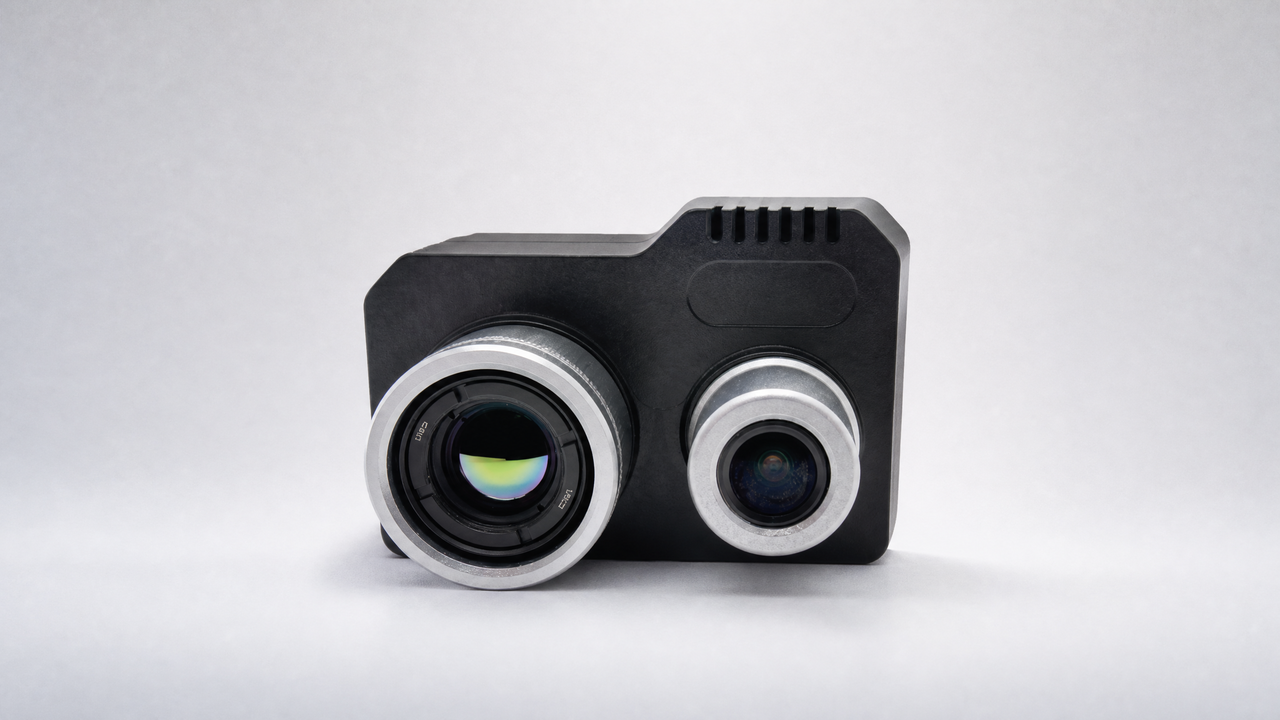
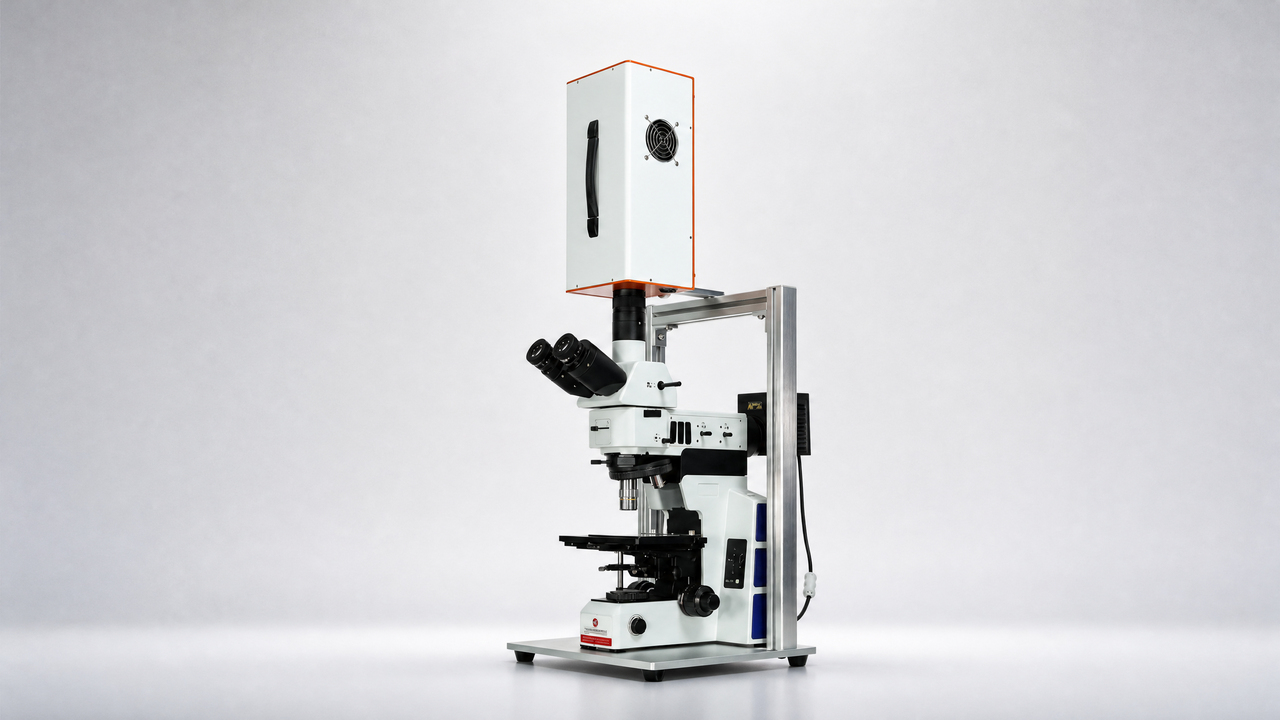
设备:GaiaMicro
Accurate classification of glomerular diseases by hyperspectral imaging and transformer
Abstract:Background and objective: In renal disease research, precise glomerular disease diagnosis is crucial for treatment and prognosis. Currently reliant on invasive biopsies, this method bears risks and pathologist-dependent vari ability, yielding inconsistent results. There is a pressing need for innovative diagnostic tools that enhance traditional methods, streamline processes, and ensure accurate and consistent disease detection. Methods: In this study, we present an innovative Convolutional Neural Networks-Vision Transformer (CVT) model leveraging Transformer technology to refine glomerular disease diagnosis by fusing spectral and spatial data, surpassing traditional diagnostic limitations. Using interval sampling, preprocessing, and wavelength optimization, we also introduced the Gramian Angular Field (GAF) method for a unified representation of spectral and spatial characteristics. Results: We captured hyperspectral images ranging from 385.18 nm to 1009.47 nm and employed various methods to extract sample features. Initial models based solely on spectral features achieved a accuracy of 85.24 %. However, the CVT model significantly outperformed these, achieving an average accuracy of 94 %. This demonstrates the model’s superior capability in utilizing sample data and learning joint feature representations. Conclusions: The CVT model not only breaks through the limitations of existing diagnostic techniques but also showcases the vast potential of non-invasive, high-precision diagnostic technology in supporting the classifica tion and prognosis of complex glomerular diseases. This innovative approach could significantly impact future diagnostic strategies in renal disease research. Concise Abstract: This study introduces a transformative hyperspectral image classification model leveraging a Transformer to significantly improve glomerular disease diagnosis accuracy by synergizing spectral and spatial data, surpassing conventional methods. Through a rigorous comparative analysis, it was determined that while spectral features alone reached a peak accuracy of 85.24 %, the novel Convolutional Neural Network- Transformer (CVT) model’s integration of spatial-spectral features via the Gramian Angular Field (GAF) method markedly enhanced diagnostic precision, achieving an average accuracy of 94 %. This methodological innovation not only overcomes traditional diagnostic limitations but also underscores the potential of non- invasive, high-precision technologies in advancing the classification and prognosis of complex renal diseases, setting a new benchmark in the field.
Keywords:Medical hyperspectral images Classification Transformer Non-invasive diagnosis